Excellence in Research for Australia (ERA)
Excellence in Research for Australia (ERA) (opens in a new window) was a nationwide assessment of Australia's research performance which highlighted national research strengths in disciplines of critical economic and social importance. For the purpose of ERA, research disciplines were assessed in two-digit and four digit classifications, with two-digit fields the broadest disciplinary classification. ERA was discontinued in 2022.
In the latest ERA evaluation in 2018, 85% of the University’s research was identified as ‘world standard or above’, and at the two-digit discipline level, 90% of our research was assessed at ‘world standard or above’. These results cement Western Sydney University’s standing as a world-class university with a growing international reach and a reputation for excellence.
Disciplines that scored a '5' rating, identifying them as 'well above world standard'
Two-digit Fields of Research: Agricultural and Veterinary Sciences; Biological Sciences; and Environmental Sciences.
Four-digit Fields of Research: Complementary and Alternative Medicine; Cultural Studies; Ecology; Ecological Applications; Electrical and Electronic Engineering; Evolutionary Biology; Forestry Sciences; Microbiology; Nursing; Oncology and Carcinogenesis; Pharmacology and Pharmaceutical Sciences; Plant Biology; Soil Sciences; and Zoology.
Disciplines that scored a '4' rating, identifying them as 'above world standard'
Two-digit Fields of Research: Language, Communication and Culture; Mathematical Sciences; Medical and Health Sciences; and Psychology and Cognitive Sciences
Four-Digit Fields of Research: Applied Mathematics; Biochemistry and Cell Biology; Communication and Media Studies; Environmental Science and Management; Human Geography; Human Movement and Sports Science; Linguistics; Macromolecular and Materials Chemistry; Materials Engineering; Performing Arts and Creative Writing; Psychology; Pure Mathematics; Sociology; and Statistics.
Overview of Results
| ERA RATING | 4-DIGIT FIELDS OF RESEARCH |
2-DIGIT FIELDS OF RESEARCH |
|
5
|
Complementary and Alternative Medicine |
Microbiology | Agricultural and Veterinary Sciences |
| Cultural Studies | Nursing | Biological Sciences | |
| Ecological Applications | Oncology and Carcinogenesis |
Environmental Sciences | |
| Ecology | Pharmacology and Pharmaceutical Sciences |
||
| Electrical and Electronic Engineering |
Plant Biology | ||
| Evolutionary Biology | Soils Sciences | ||
| Forestry Sciences | Zoology | ||
4
|
Applied Mathematics | Macromolecular and Materials Chemistry |
Language, Communication and Culture |
| Biochemistry and Cell Biology |
Materials Engineering | Mathematical Sciences | |
| Communication and Media Studies |
Performing Arts and Creative Writing |
Medical and Health Sciences | |
| Environmental Science and Management |
Psychology | Psychology and Cognitive Sciences |
|
| Human Geography | Pure Mathematics | ||
| Human Movement and Sports Science |
Sociology | ||
| Linguistics | Statistics | ||
3
|
Analytical Chemistry | Law | Built Environment and Design |
| Artificial Intelligence and Image Processing |
Literary Studies | Chemical Sciences | |
| Astronomical and Space Sciences |
Mechanical Engineering | Education | |
| Building | Neurosciences | Engineering | |
| Civil Engineering | Other Studies in Human Society |
History and Archaeology | |
| Clinical Sciences | Paediatrics and Reproductive Medicine |
Information and Computing Sciences |
|
| Criminology | Philosophy | Law and Legal Studies | |
| Curatorial and Related Studies |
Physical Chemistry (Incl. Structural) |
Philosophy and Religious Studies |
|
| Distributed Computing | Public Health and Health Services |
Physical Sciences | |
| Education Systems | Social Work | Studies in Creative Art and Writing |
|
| Film, Television and Digital Media |
Specialist Studies in Education |
Studies in Human Society | |
| Historial Studies | |||
Research Spotlight

Delivering better birthing strategies
Educating pregnant women about complementary therapies could save millions of dollars every year.
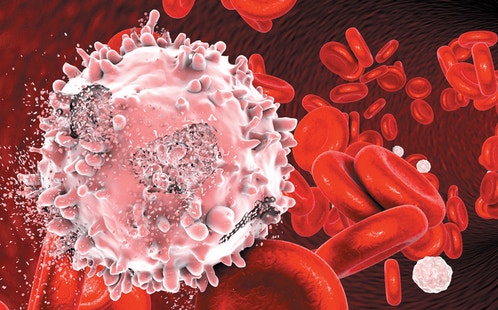
Accidental trip reveals a hidden pathway
An unexpected discovery could lead to new predictive biomarkers of drug response for cancer patients.
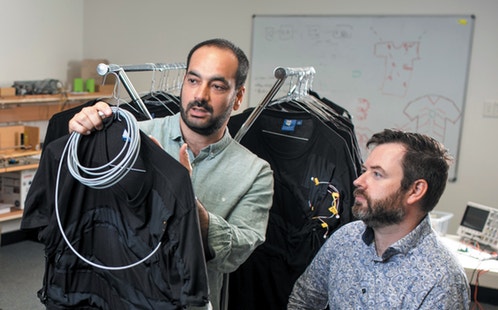
Realising a dream technology
Tackling the condition of sleep apnoea could be as simple as slipping on a T-shirt.
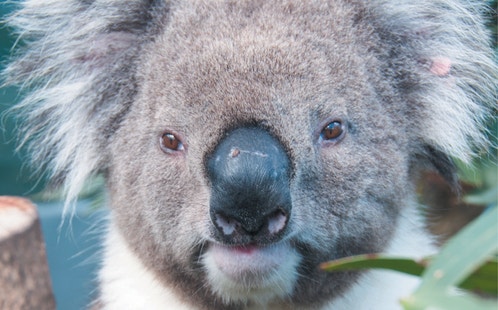
A gut feeling
Work to understand the gut bacteria of koalas could enhance survival rates of this vulnerable species.

Focusing on space junk
Biologically-inspired cameras can track satellites that even the best optical
telescope cannot.
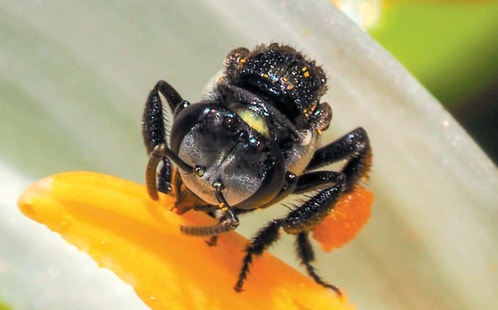
Plan bee
In making plans to withstand a globally devastating bee parasite, researchers are finding other ways to help crops thrive.
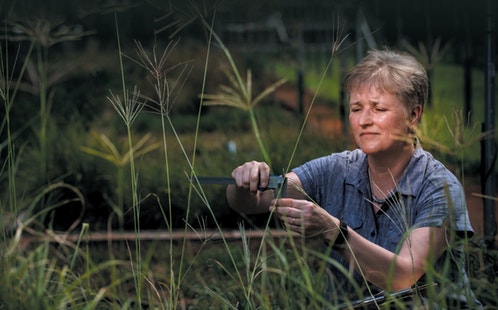
Blueprint for a land of droughts and flooding rains
‘Stress testing’ pasture plant species to help safeguard Australia’s livestock and dairy industries.

Helping children reach their potential
A maternal visiting programme developed in Western Sydney is helping children in Australia, and around the world, thrive.

How an enclave became a cultural hub
From a haven for new migrants, to an attraction for curious Sydney-siders, Chinatown is now a cosmopolitan bridge between Australia and Asia.