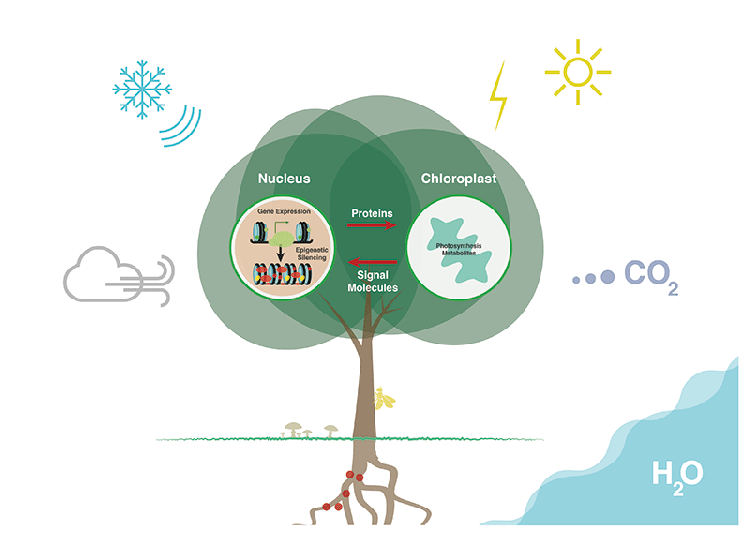
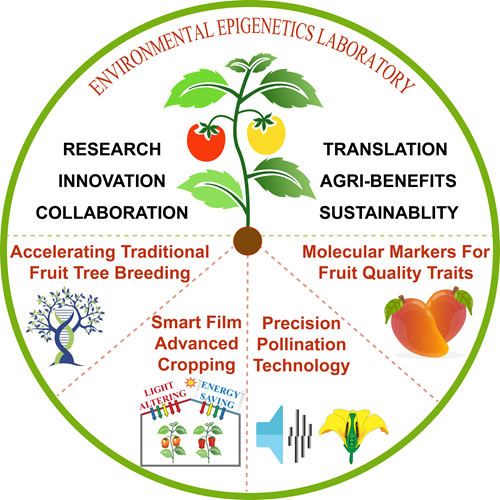
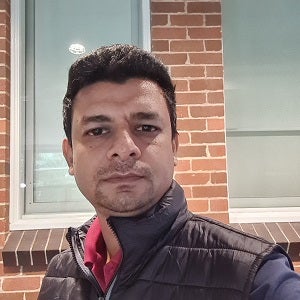
Associate Professor Chris Cazzonelli is a distinguished Plant Molecular Biologist at the Hawkesbury Institute for the Environment and a dedicated lecturer at Western Sydney University. Holding a Bachelor of Science with First Class Honours, he earned his PhD in Botany from the University of Queensland in 2002, supported by an esteemed Australian Postgraduate Award focusing on plant stress acclimation at the molecular level. Following this, he received a prestigious United States Department of Agriculture Postdoctoral Fellowship, where he pioneered synthetic biology techniques to engineer gene regulatory systems for enhancing plant genetics. Recruited in 2006 by the ARC Centre of Excellence in Plant Energy Biology at the Australian National University, he delved into the regulation of beneficial carotenoid metabolites in crops, a contribution recognized with the Goldacre Medal by the Australian Society of Plant Biologists in 2010. Currently, as head of the Environmental Epigenetics Laboratory (EELab), A/Prof. Cazzonelli leads groundbreaking research into genetic regulatory mechanisms, metabolic feedback loops governing communication between plastids and the nucleus, and processes that facilitate memory formation to prime plants for stress acclimation in response to environmental changes such as light quality, mechanical stimulation, bioacoustics, and cell vibrations. The EELab specializes in advancing our understanding of carotenoid regulation for enhanced photoprotection and photosynthesis, driving improvements in crop yield and nutritional quality under varying light conditions, with far-reaching benefits for human and animal health. Our research also pioneer’s advancements in smart films for horticultural protected cropping, automated crop monitoring, precision non-contact pollination techniques, and the genetics underlying next-generation orchard production.
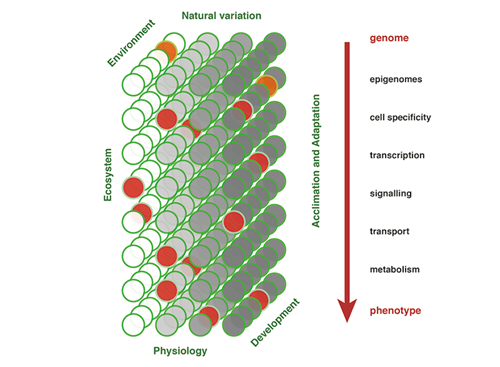
We take a multidisciplinary approach to discover how environmental stimuli control genetic and chemical processes that prime photoprotection in vegetables and boost fruit production in horticultural tree crops.
We explore memory-forming processes controlling carotenoid biosynthesis and apocarotenoid signalling in response to altered light quality, mechanical stimulation, acoustic vibrations, elevated carbon dioxide, heatwaves, and drought stress. We study the entourage affect with other medicinal and nutritional plant secondary metabolites generated in plant energy organelles such as the chloroplast. We advance knowledge and Agri-Tech innovation in glasshouse protected cropping, horticultural tree genomics, and precision floral pollination technologies fast-forwarding improvements in crop yield, quality and produce nutrition value. Our research goal is to enhance the environmental sustainability of agricultural and horticultural production systems with follow-on benefits for human and animal health.
.
Projects
Current Research Projects and Opportunities
The future of plant science can be unlocked with cutting-edge research projects, designed for enthusiastic and talented students eager to dive deep into the realms of plant biology, environmental science, and horticultural crop genomics. Our team thrives in a world of discovery and innovation to contribute to groundbreaking research that will shape the future of plant science. We are tackling pivotal questions about how environmental changes influence plant adaptation, agricultural productivity, protected cropping, and crop resilience. Our team focuses on understanding how altered light conditions, temperature, bioacoustics, and mechanical stress impact plants. We elucidate how long-term changes in the environment train memory forming processes that enhance stress acclimation, boost crop production, facilitate photoprotection, and prime resistance to pest attack.
Research opportunities provide hands-on experience with advanced technologies in molecular biology, epigenetics, biochemistry, functional genomics, physiology, cell biology and plant phenotyping. We unravel new scientific frontiers through utilising next generation sequencing, metabolomics, volatilomics, transcriptomics, genetic engineering, synthetic biotechnology, gene editing, viral induced gene regulation, tissue culture, and other transgenic engineering approaches to study gene functions in plant and microbial systems.
Hunting for genetic and metabolic regulatory switches in plants
Bacteria and plants are natural chemical factories producing micronutrient metabolites (e.g. vitamins and antioxidants such as carotenoid pigments) that promote animal health, cellular communication and regulate gene expression. We are discovering photochemical and metabolite-responsive RNA switches that modulate plant energy biology, organelle biogenesis and cellular homeostasis by regulating gene expression and/or protein levels. This project generates fundamental new knowledge to translate innovation in synthetic biology.
Elucidating chemical signals that prime photoprotection and boost crop yield
Environmental and development conditions affect the temporal and spatial variation of plant carotenoid secondary metabolites that provide pharmaceutical as well as nutritional benefits for animals and plants. We discover carotenoid-derived metabolites that modulate gene expression, chloroplast biogenesis, photoprotection, photosynthesis, and carbon assimilation. The translation of carotenoid molecules into natural growth regulators can sustain agroecosystems by promoting fungal symbiosis, deterring insect herbivores, and boosting crop vigour.
Deciphering how plants memorise cellular vibrations from mechanical stress
Plants sense and respond to cellular vibrations from touch, sound, wind, rain, and herbivory that trigger mechanically induced stress. Plants forget a single event of mechanical stress yet remember prolonged events that alter plant` morphology and prime resistance to insect and fungal pests. We investigate the physiological, molecular, and epigenetic forming processes that program a mechanically induced stress memory that primes a tougher and more resilient plant to natural stress events. Advancing new knowledge of the mechanisms by which plants retain stress memory can invigorate sustainable agroecosystem practices and boost crop yield.
Horticultural innovation utilising genetics for next generation orchards
Our mission is to develop tools for breeders, growers, and scientists to expedite the development of new crop cultivars that will enhance sustainability, production, and profitability for next generation orchard systems. We advance gene annotations, characterise gene functions, decipher regulatory mechanisms, and understand genomic variability in the target crops almond and mango. The goal is to understand the genetic mechanisms underpinning complex traits such as flowering, precocity, bud dormancy, nut quality, fruit colour, and their interactions with the environment. In the long-term, this project can expedite the development of new crop varieties to ensure long-term viability, profitability, and global competitiveness for horticultural tree crops.
Elucidating plant cell behaviour to frequency-dependent bioacoustics
We are testing and engineering sonication devices to investigate the frequency-dependent power-law behaviour of plant living cells. We contrast contact-induced mechanical vibrations with precision non-contact sonication methods. We interrogate the relationship between the frequency of sonic vibrations with floral pollination success and tomato fruit size to understand the power law behaviour of plant cells. Our translational goal is to automate precision robotic bioacoustics for tomato floral self-pollination that can offer financial benefits for the protected cropping industry.
Lab Members
Lab Members
Lucky Paudel
Mekala Manivannan
Husnain Butt
Happy
Hasan
Avijit Biswas
Komal
Jaykishan
Tayyaba Tariq
Mounika Kanipakam
Bhagwat Nawade
Current Postgraduate Students
2025 Mounika Kanipakam, PhD (Decoding the genetics of almond bud dormancy and flowering in response to chilling temperatures)
2025 Tayyaba Tariq, PhD (Decoding the genetic regulation of mango fruit blush)
2025 Komal Lakhani, PhD (Light-regulating mechanisms modulating zinc nanoparticle supplemented growth and carotenoid-mediated photoprotection of capsicum)
2025 Jaykishan Korat; PhD (Biochemical and genetic mechanisms regulating peel colour and fruit fibre traits in mango)
2023 Hasan, PhD (Plant molecular responses of capsicum to light-blocking and light-altering films)
2023 Avijit Biswas, PhD (Linking mechanical stress to bioactive carotenoid signals that prime insect resistance in crops)
2022 Husnain Butt, PhD (Regulation of carotenoid derived signals that drive Mycorrhizal interactions within the tomato rhizosphere)
2022 Happy, PhD (Unravelling how mechanical and acoustic stimulation alter gene expression, pollination, fruit development and metabolism in plants
2021 Mekala Manivannan, PhD (Functional Genomics in Almond Tress using Viral Induced Gene Regulation)
Current Postdoctoral Research Fellows
2025 Dr Bhagwat Nawade (Mango Crop Genomics)
2025 Dr Lucky Paudel (Almond Crop Genomics)
Undergraduate Students
2022 Tadiwa Mangwiro (Diurnal regulation of the carotenoid de-epoxidation state in capsicum leaves from red and orange cultivars grown under a light altering glasshouse film)
2020 Cameron Pike (Transcriptome analysis and annotation of differentially expressed genes in etiolated Solanum lycopersicum seedlings)
2019 Kanupriya Singhal (HIE Summer Scholar: Touching plants to prime defence against insect herbivory)
2018 Aliki Jones (Science Research Projects, 300924: Discovering the dark side of carotenoids in plants)
2017 Laura Lynch (HIE Summer Scholar: A forward genetics screen restores root development in an Arabidopsis carotenoid mutant)
2016 Jordan Hollis (HIE Internship: Investigating cis-carotene accumulation during the de-etiolation of tomato seedlings)
2016 Grace Scott (300910/Advanced Science Project C and 300913/Field Project 1; Biofortification of Tomato: Investigating novel roles for carotenoids in mutualistic mycorrhiza associations)
2015 Wendy Ng (HIE Summer Scholar: Characterisation of an Arabidopsis carotenoid mutant with an altered root phenotype)
2014 Inan Muhsin (UWS Science Research Project: Investigating carotenoid regulatory pathways using a suppressor mutant screen)
Past Postgraduate Students
2024 Lucky Paudel; PhD (Identification and characterisation of genes regulating flowering and dormancy in almond through transcriptomic analysis and functional complementation in Arabidopsis; WSU-HIE)
2024 Jwalit Nayak; PhD (Light-mediated isomerization of carotenoids control nuclear gene expression and regulate metabolic feedback in Arabidopsis and tomato; WSU-HIE)
2024 Mahfuza Pervin; PhD (Somatic memory of mechanically stress- induced thigmomorphogenesis: balancing jasmonate biosynthesis with gibberellin catabolism; WSU-HIE)
2024 Kanti Ghimire; MRes (Carotenoid accumulation and regulation in dark and light grown capsicum seedling cultivars showing genetic variation in fruit colour; WSU-HIE)
2023 Sidra Anwar; PhD (A carotenoid-derived signal controls root architecture in Arabidopsis; WSU-HIE)
2020 Yagiz Alagoz; PhD (Feedback regulation of carotenoid biosynthesis by an apocarotenoid sensing RNA structural switch; WSU-HIE)
2020 Eric Brenya; PhD (Elucidating thigmomorphogenesis: An epigenetic phenomenon of plant stress acclimation and transgenerational adaptation, WSU-HIE)
2019 Pranjali Nayak, MRes (Elucidating a novel apocarotenoid signalling pathway controlling root development in plants; Western Sydney University)
2019 Namraj Dhami; PhD (Environmental And Developmental Regulation Of Carotenoid Metabolism In Arabidopsis Leaves) - Western Sydney University
2014 John Rivers; PhD (RNA secondary structure and its effect upon gene expression in plants; co-supervised with Prof. Barry Pogson, Australian National University)
2012 Xin Hou; PhD (Hunting for genes that link cis-carotenes to chloroplast development; co-supervised with Prof. Barry Pogson, Australian National University)
2013 Sophie Holland (Honours: The molecular nature of metabolic feedback regulation in plants)
2012 Jacinta Watkins (Honours: cis-carotenes: Do they have regulatory roles in plants)
2010 Alice Burgess (Honours: Investigating the role and function of the chromatin modifying protein, SDG8 in plant development)
2009 Andrea Roberts (Honours: Characterisation of the histone methyltransferase SET DOMAIN GROUP 8, in Arabidopsis thaliana).
2007 Melanie Carmody (Honours: Characterisation of the CRTISO Promoter).
2024 NSW Space Research Network Student Project Fund ($10,000). Establishing Plants in Space Biology Payload for Future Lunar Experiments. CI Cazzonelli, M Manivannan, Happy, A Biswas
2024-2029 Hort Innovation, QUT, WSU, UQ, MU (AS23003; $2,120,816) Genetics for Next Generation Orchards. CI Cazzonelli, R Sharwood, O Ghannoum, DT Tissue
2024 NSW Space Research Network. Flight testing for a future lunar payload.
2023-2028 Future Food Systems Cooperative Research Centre ($2,992,758). Automated crop monitoring for protected cropping systems. O Ghannoum, DT Tissue, R Sharwood, CI Cazzonelli, Z Chen
2022-2027 Future Food Systems Cooperative Research Centre, Horticulture Innovation Australia, RMIT University, Innofocus Photonics Technology ($3,562,472). National Vegetable Protected Cropping Centre - Glasshouse films to reduce energy use and increase resource use efficiency. DT Tissue, O Ghannoum, CI Cazzonelli, R. Sharwood, Z Chen, Y Lan
2021-2022 Future Food Systems Cooperative Research Centre (P2-013; $240,000). Smart Glass film impacts on energy use and productivity in greenhouse lettuce. DT Tissue, Z Chen, CI Cazzonelli, O Ghannoum, R Sharwood
2021 Advancing an acoustic-induced pollination solution for protected cropping (CRC in Future Food Systems and Perfection Fresh; $59,632)
2020-2029 Cooperative Research Centre in Future Food Systems ($35 million)
2018-2022 Hort Innovation (AS1700; $3,785,714) - National Tree Genomics Program - Genotype Prediction Toolbox. Dr Chris Cazzonelli, DR Jonathon Plett and Dr Alexie Papanikolaou)
2017-2020 Horticulture Innovation Australia Grant (VG16070: $799,071) Research and Operations to Trial Innovation Glass and Photovoltaic technologies in Protected Cropping. David Tissue, Zhonghua Chen, Chris Cazzonelli, Oula Ghannoum, Ian Anderson, Nisha Rakhesh & David Thompson
2013-ARC Discovery Grant (DP130102593; $375,000). The Hunt for RNA Riboswitches and Genetic Sensors of Metabolic Flux in Plants. Cazzonelli CI (Lead Investigator), Pogson BJ, Aharoni, A.
2008-ARC Linkage Infrastructure, Equipment and Facilities ($550,000). A massively parallel genome analysis facility for the ACT region (LE0989589).
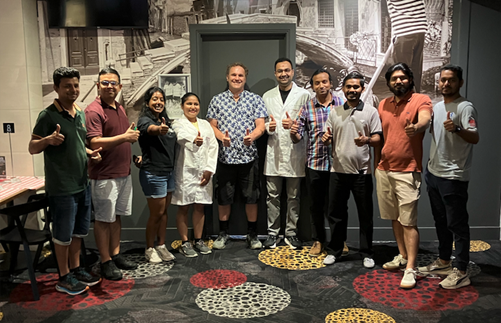
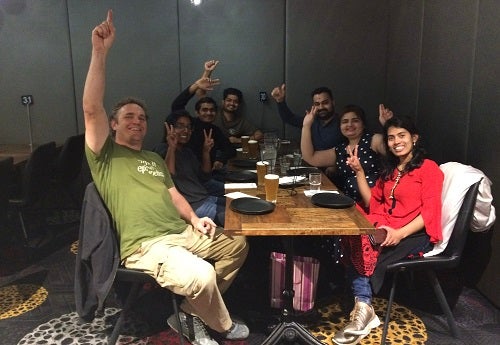
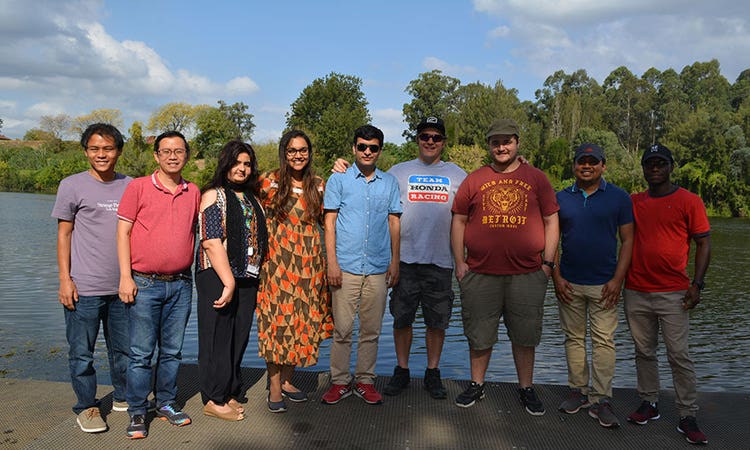
The EELab celebrates may achievements, awards, graduations, grants, and papers from a successful 2024 year at our annual Christmas party.
The EELaboratory continues to grow in 2023 as we unravel genetic as well as metabolic signals enabling foliar photoprotection, bud dormancy, flowering, floral pollination and fruit nutrition as core traits for advancing next generation horticultural protected and orchard
EELab celebration time 2022
The EElab had a going away BBQ for Namraj Dhami at Hanna Park in North Richmond
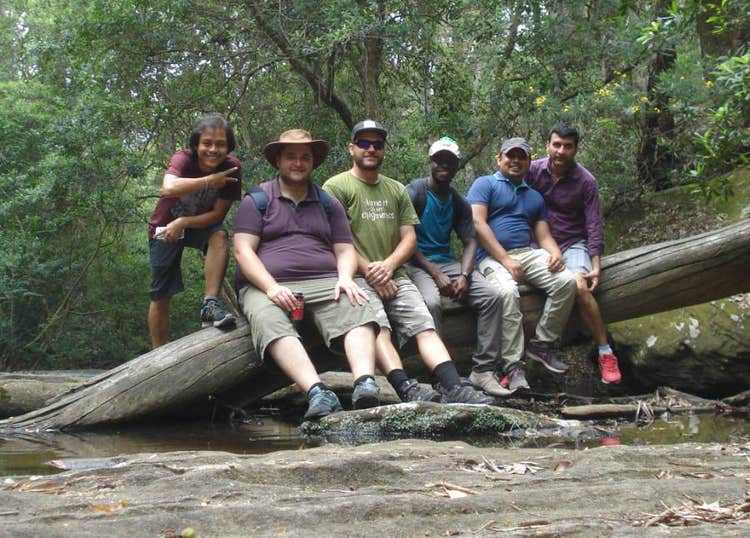
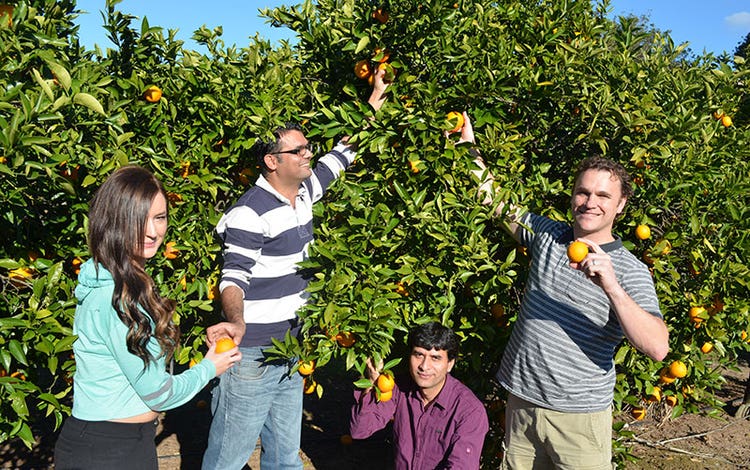
The EElab enjoyed their 2017 Christmas party and BBQ at the McMahon Park in Kurrajong.
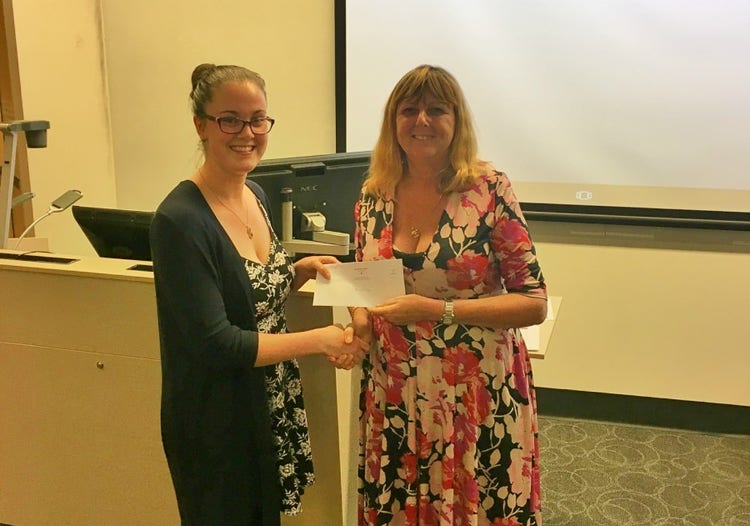
Undergraduate student, Ms Jessica Tyler recently completed her WSU-HIE Research Internship within the EELab in Autumn of 2017. She and her supervisor Mr Eric Brenya discovered new insights into how mechanical stress can alter defences to different plant pathogens.
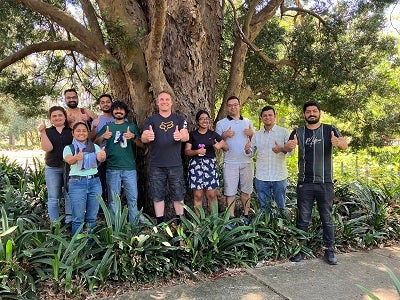
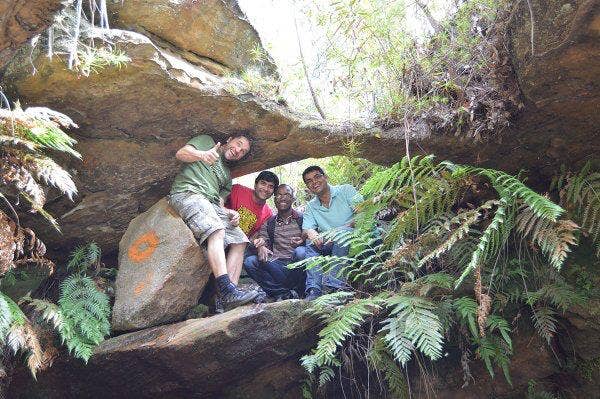
EElab members enjoyed their 2016 Christmas party at The Blue Mountains Botanic Garden at Mount Tomah.
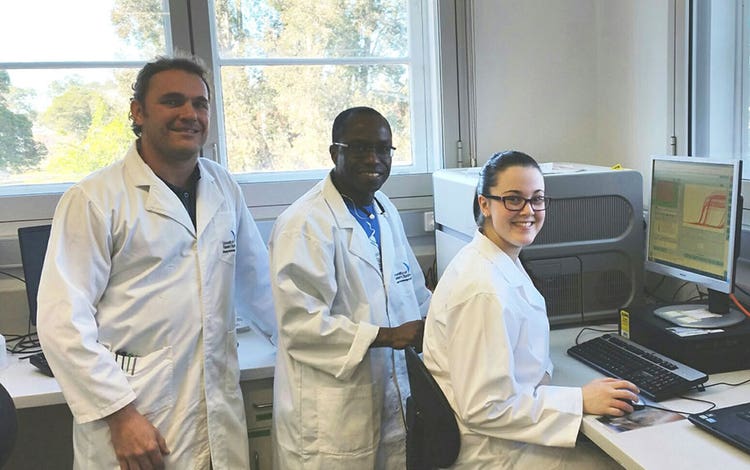
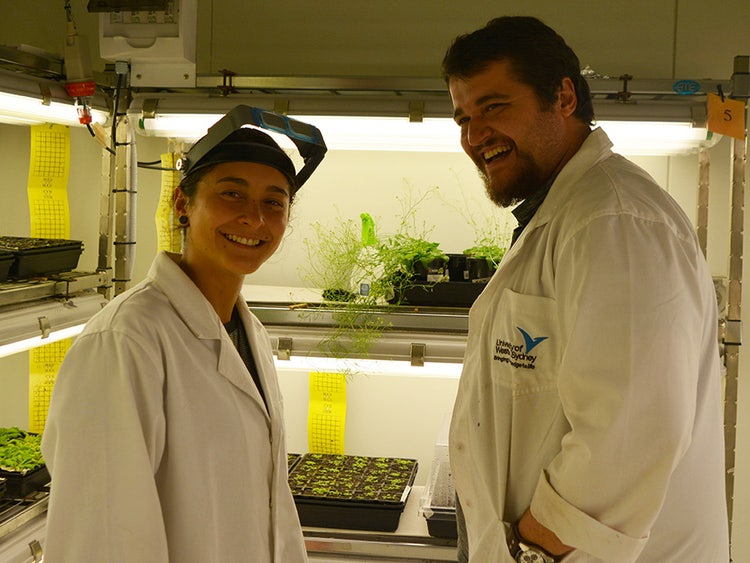
Ms Laura Lynch undertook a Summer Scholarship with the EELab under supervision of PhD student Yagiz Alagoz. Together they explored how feedback regulation of carotenoid secondary metabolism might be regulated by an RNA regulatory switch using molecular tools to quantify luminescence in transgenic plants expressing synthetic riboregulators.
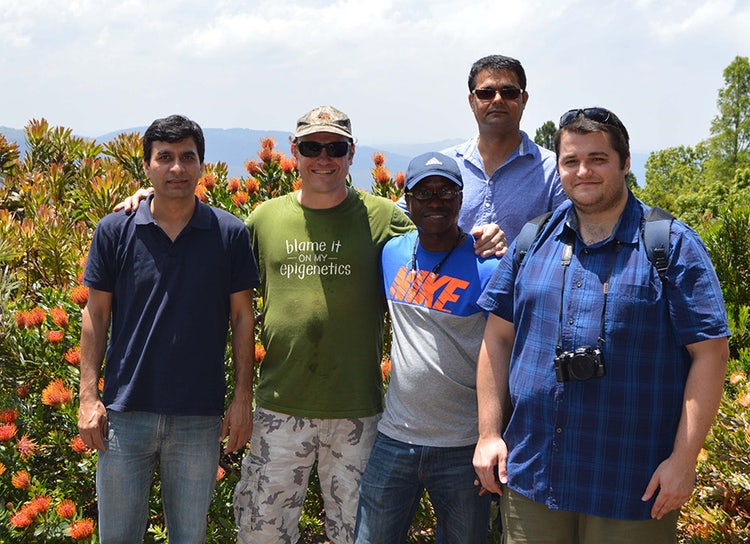
The EEL team enjoys the nature of spring and welcomes PhD candidate Yagiz Alagoz as well as HIE internship awardee Jordan Hollis (left to right: Jordan Hollis, Dr Rishi Aryal, Mr Eric Brenya, Mr Namraj Dhami, Mr Yagiz Alagoz and Dr Chris Cazzonelli).
Epigenetics in Nature: EELab First Christmas Party 2015 with Rishi Aryal, Namraj Dhami, Eric Brenya and Chris Cazzonelli at a secret location in the Kurrajong Heights
The EEL team continues to grow and welcomes new PhD candidate Namraj Dhami and HIE internship awardee Tracey Azzopardi (left to right: Ms Tracey Azzopardi, Dr Rishi Aryal, Mr Namraj Dhami and Dr Chris Cazzonelli).
Awards
2025 Happy wins WSU Research Image Competition
2025 Lucky Paudel was awarded the Early Career Researcher Impact award for best oral presentation at the Australasian Plant Breeding Conference in Perth.
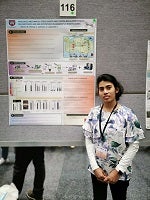
2024 Happy was awarded People’s Choice Visa Card at the Hawkesbury Institute for the Environment Higher Degree Forum Conference and won best poster prize at the HIE Research Symposium
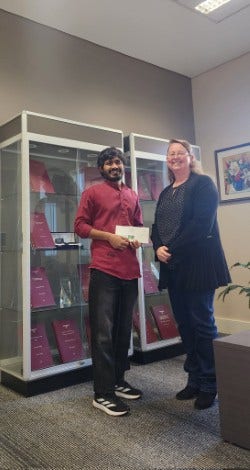
2022 PhD students, Lucky Paudel and Mekala Manivannan won first and second place, respectively at the WSU - Hawkesbury Institute for the Environment Higher Degree Forum Conference
2022 Mahfuza Pervin wins Australian Society of Plant Scientists (ASPS) prize for her poster titled: Prolonged mechanical stress events have contra-regulatory effects on carotenoid and ABA biosynthesis in Arabidopsis rosette leaves at ComBio2022.
2021 Nayak J. Best talk in the session: Carotenoid Biosynthesis & Biotechnology” at the 2nd Virtual International Conference on Carotenoids
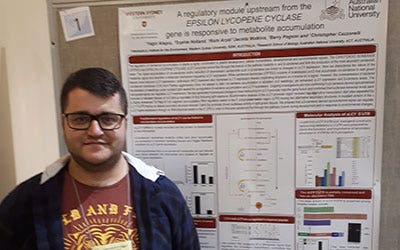
HDR student Yagiz Alagoz for winning best poster presentation award at the prestigious 9th Gordon Research Conference on Carotenoids
Eric Brenya wins E.A. Southee Memorial Scholarship for his proposal on ELUCIDATING HOW MECHANICAL STIMULATION PROMOTES STRESS-ACCLIMATION IN PLANTS
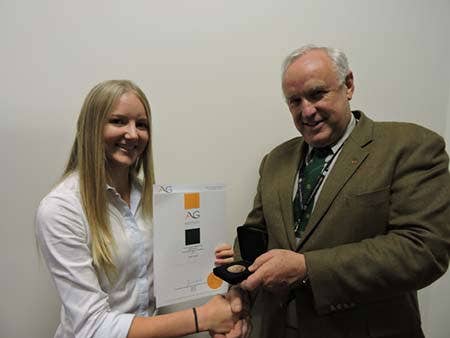
2017 Grace Scott; NSW Chris Russell Medal of Excellence for undergraduate research on the regulation of carotenoid micronutrients in plants
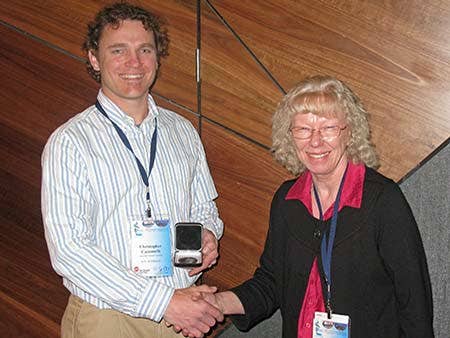
2010 Dr Chris Cazzonelli; Australian Society of Plant Scientists Peter Goldacre Medal for outstanding contribution to Plant Science
» 2010 Peter Goldacre Medal from the Australian Society of Plant Scientists (awarded yearly to an early career researcher for their outstanding contribution to Plant Science within 10 years of their PhD)
» 2003-05 Outstanding Performance Certificates of Merit (United States Department of Agriculture)