Study with Us
Research
About Western
 School of Computer, Data and Mathematical Sciences
School of Education
School of Engineering
School of Health Sciences
School of Arts
School of Law
School of Medicine
School of Nursing and Midwifery
School of Psychology
School of Science
School of Social Sciences
School of Built Environment and Design
School of Computer, Data and Mathematical Sciences
School of Education
School of Engineering
School of Health Sciences
School of Arts
School of Law
School of Medicine
School of Nursing and Midwifery
School of Psychology
School of Science
School of Social Sciences
School of Built Environment and Design

Community
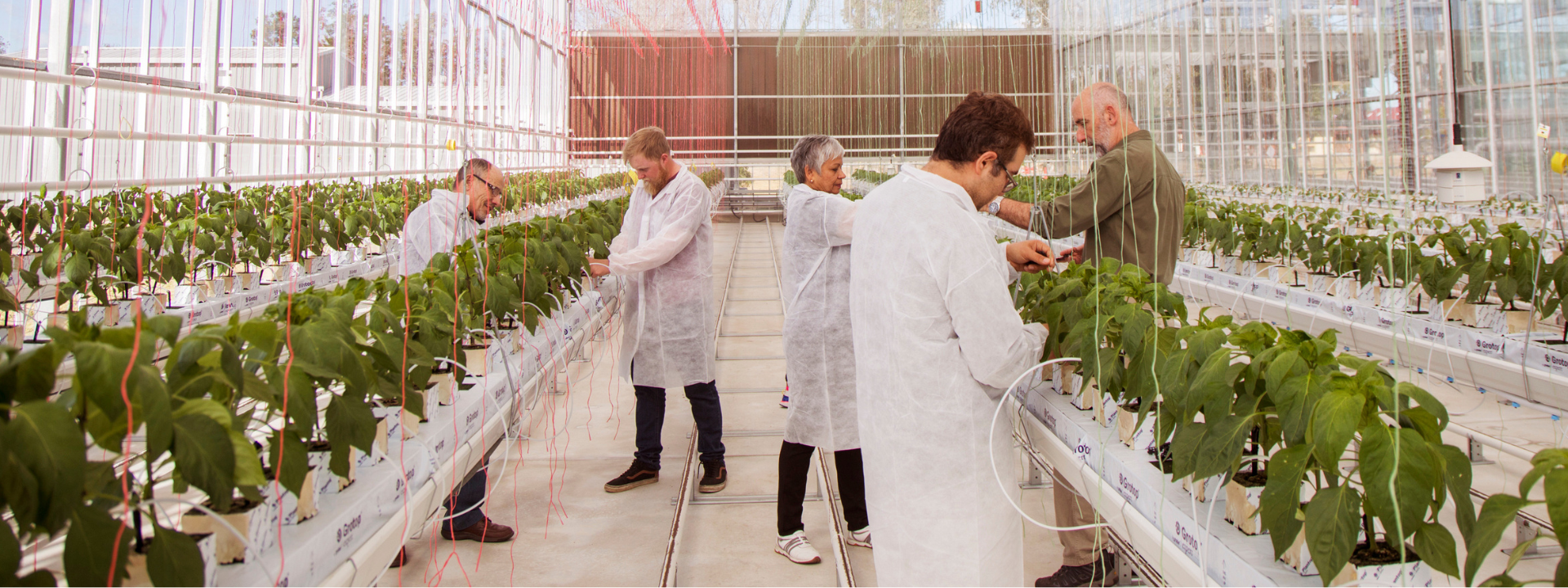
As we look towards the future, we must address the very real environmental concerns that threaten to slow down our progression. These limitations offer opportunities for us to adapt, resolve and ignite a greater understanding of how we can work with our natural world. Developed in collaboration with BWD Strategic, a prominent Australian B-Corp and sustainability consultancy, this program focuses on real-world applications and aims to address the skills shortage in environmental sustainability.
This microcredential was developed with the support of the Australian Government's Microcredentials Pilot in Higher Education.
Applications for this course are currently closed. To keep up to date on Western's course offerings, please complete the form below.
DURATION
300 hours across 12 weeks
(approximately 25
hours per week)
START DATE
2 March
END DATE
14 June
Admission Requirements
To be eligible for admission into the Foundations of Environmental Sustainability you must be 17 years of age or over; or have completed year 12 or equivalent studies.
This intake is open to domestic enrolments only, and is not currently open to international students.
Program structure
- Module 1: The Biodiversity of Life
- Module 2: Exploration of Viruses and Microscopic Life
- Module 3: Exploration of Multicellular Life
- Module 4: Energy Flow and Symbiotic Relationships
- Module 5: The Origins and Evolution of Life
- Module 6: Tree of Life
- Module 7: Biodiversity in Crisis
- Module 8: Urban Environments, Issues, and Human Health
- Module 9: Energy Use and Climate Change
- Module 10: Sustainable Energy
- Module 11: Environmental Monitoring
- Module 12: Environmental Solutions
Live sessions
Below is a list of optional live webinars that provide general course support and Q&A. Dates are indicative and may be subject to change, with access provided to enrolled students through the OpenLearning platform.
- Webinar 1: w/c April
- Webinar 2: w/c 20 April
- Webinar 3: w/c 27 April
- Webinar 4: w/c 4 May
- Webinar 5: w/c 18 May
Who this course is designed for
This Microcredential is well suited for those passionate about the environment, looking to transition into a career focused on environmental sustainability or professionals looking to deepen their understanding of environmental sustainability in application to their current work.
Credit pathways
Students that successfully complete this microcredential will be able to apply for 20 credit points towards the Bachelor of Science at Western Sydney University.
Students will receive credit for the following subjects:
- Biodiversity
- Environmental Issues and Solutions
Fees and delivery
Fees
This program is free due to in-demand skills and industry needs, backed by government grants.
Delivery
This program is delivered online through the OpenLearning platform.
Why choose microcredentials at Western?
Choose Western's microcredentials for their versatility, innovation, industry collaboration, online accessibility, flexible scheduling, relevance to professional development, renowned academic design, and potential credit contribution to qualifications.