

Study with Us
Research
About Western
 School of Computer, Data and Mathematical Sciences
School of Education
School of Engineering
School of Health Sciences
School of Arts
School of Law
School of Medicine
School of Nursing and Midwifery
School of Psychology
School of Science
School of Social Sciences
School of Built Environment and Design

Community

Creativity is already here in Western Sydney
In stories passed around kitchen tables, music coming through bedroom walls and ideas taking shape on screens and in rehearsal rooms. Born from lived experience, culture and curiosity, it helps us understand each other, build connection and imagine what comes next in an ever-changing world.
It’s also serious business, with Australia’s creative industries contributing billions to the economy. From exploring ideas, designing brands, telling stories or taking the stage, at Western you'll connect with creatives and industry professionals who bring current knowledge and experience into the classroom, and opportunities to put your skills into practice through live briefs, productions, exhibitions and performances.
Are you ready, or what?
Share the first draft, step up to the mic, back that idea and show the world what you see.

Bachelor of Arts
Explore the stories, cultures and ideas that shape us. From Creative Writing and English to Philosophy and Indigenous Australian Studies, shape your degree around what sparks your curiosity and gives you something to say.
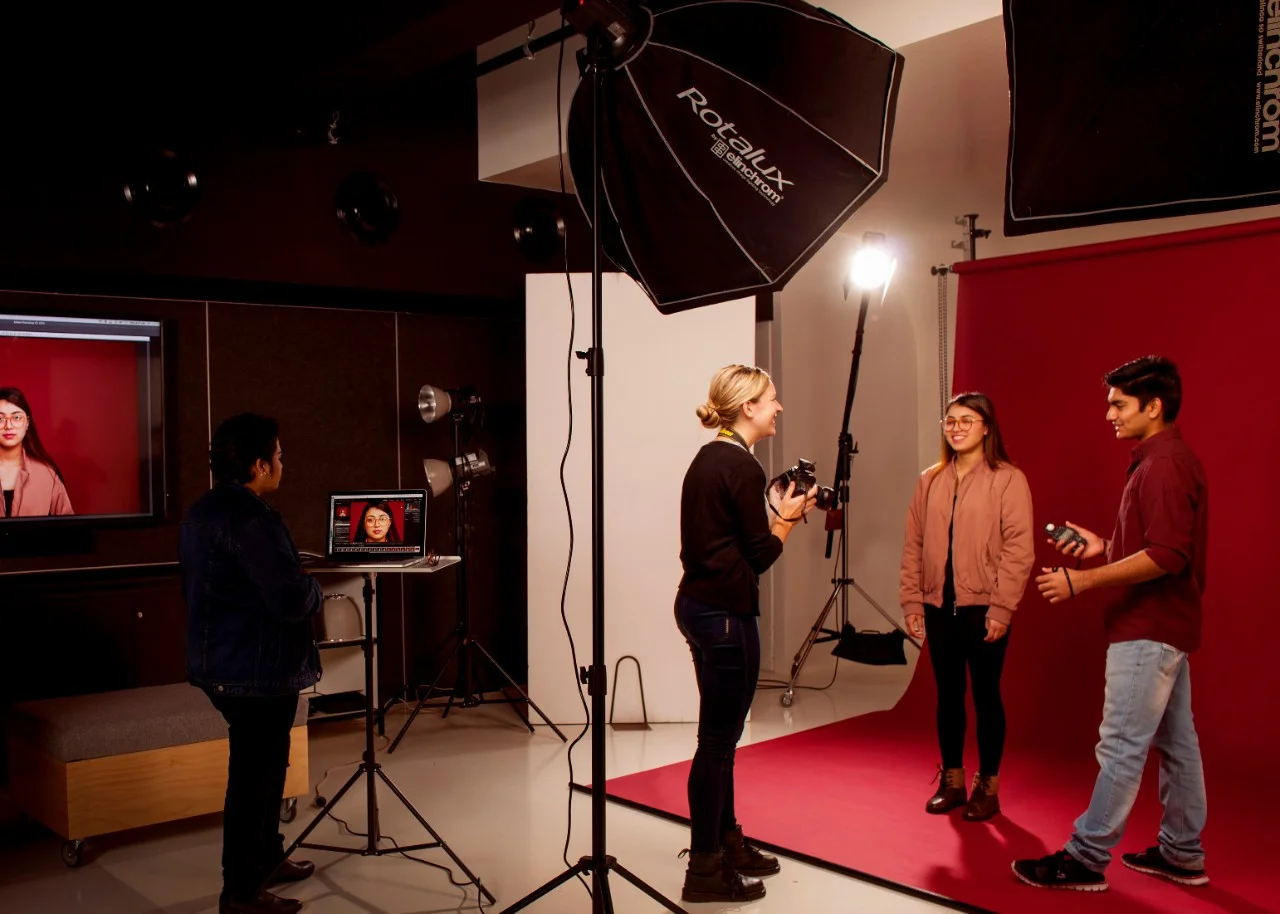
Bachelor of Design
Become an industry-ready designer, combining specialist creative practice with collaborative studio learning to build skills across branding, digital design, storytelling and visual communication through real-world creative projects.

Bachelor of Communication
Follow your curiosity, tell stories and share ideas that get people talking. Major in Journalism, Advertising or Public Relations, and build the skills to connect with audiences through media, campaigns and content.
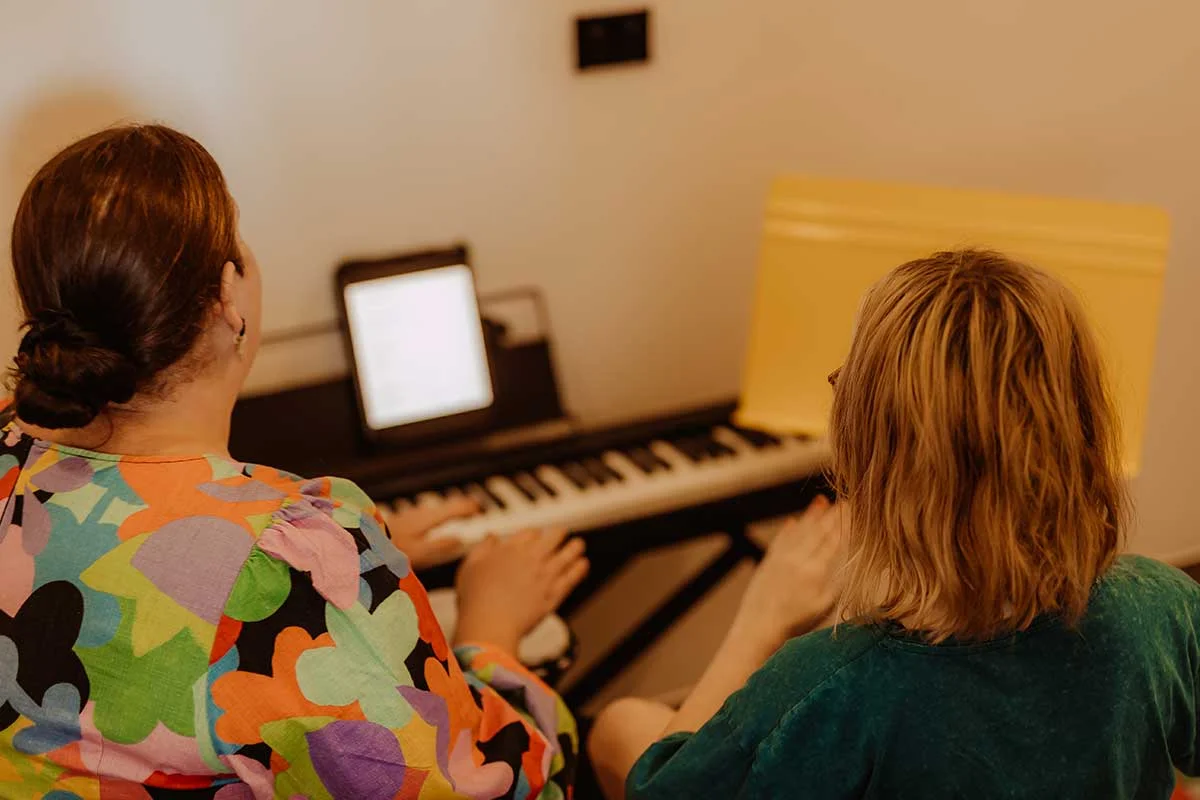
Bachelor of Music
Develop your sound alongside other musicians and creators, building your skills in performance, composition and music production through hands-on learning in professional studios.
Creative spaces and tools
Space to bring your ideas to life
Record, rehearse, design and produce in spaces built for creative practice. Develop your technical skills and build practical work using professional equipment and tools.
Design studios and creative spaces
Experiment with ideas in collaborative studios, using industry-standard software and digital production tools, developing work across branding, visual communication, motion and digital design.
Communication and media spaces
Develop your storytelling skills and explore how words, images and sound work together to communicate ideas and connect with audiences in our journalism, photography and media production facilities.
Music recording and performance spaces
Develop your sound in professionally equipped recording studios, rehearsal rooms and performance spaces, while building your skills in both live and studio practice.

Different passions, different paths
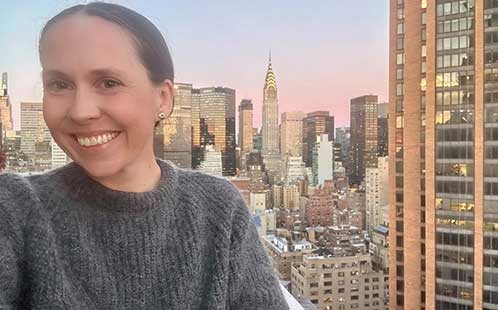
Sarah Byrne, Bachelor of Communication (Journalism) graduate
Sarah studied Journalism at Western, where hands-on industry experience helped her discover a passion for communications and marketing. From Greystanes to London and now New York, she’s built an international career and today leads Communications and Marketing for a national affordable housing developer in Manhattan.
“The degree was a great foundation for understanding the industry, it also connected me to unique internship opportunities that gave me real-world experience and sparked my passion for comms and marketing.”
Blak Douglas, Bachelor of Arts in Design graduate
Born in Blacktown and raised in a family of artists, Blak developed his creative skills alongside his uncles before studying Design at Western. He credits his graphic design education with helping shape his distinctive artistic style and went on to build a career using art to challenge perceptions and explore social and cultural issues. In 2022, Blak became the first New South Wales First Nations artist to win the Archibald Prize.
"The Archibald Prize came as a complete surprise to me for a number of reasons. I became the first New South Wales First Nations artist to win the prize. So who's next?"
Kortana Cullen-Blissett, Bachelor of Arts (Music), Master of Teaching (Primary)
Kortana studied Music at Western before turning her passion into a career in teaching. Today, she uses music to inspire creativity, build confidence and create a sense of belonging for the next generation.
“I love being able to use music as a tool to inspire creativity, build confidence, and bring joy into the classroom.”

Frequently asked questions
Start with what you enjoy exploring, making or sharing. Think about the work you’d like to create and the skills you want to develop.
If you love words and ideas, explore Arts or Communication. For visual storytelling, consider Design or Screen Media. If sound, music or performance moves you, look at Music or Performing Arts.
Compare the subjects, student work and practical experiences in each course to picture yourself studying it. You may also be able to explore different interests through majors, minors or electives, depending on your degree.
Your talent, ideas and perspective could take you into writing, publishing, music, acting, design, filmmaking or storytelling through journalism, advertising and public relations. Depending on your degree and specialisation, you could develop a career as a writer, performer, composer, designer, filmmaker or content creator, or contribute to cultural organisations and creative projects.
At Western, develop your craft, build connections and gain experience to help turn what you love into work you’re proud of. Explore your chosen course for career opportunities and any further qualifications required.
Requirements vary by degree. You don’t need a portfolio or audition for every course, and you don’t need to have worked professionally in a creative field.
Design offers a portfolio interview pathway where you can discuss your work, creative process and motivation. Music has entry options based on recognised music results or qualifications, or an interview and performance assessment. Performing Arts (Acting) requires an audition, alongside meeting academic requirements.
Check your chosen course for entry requirements, what to prepare and how to apply.
Practical learning is part of Western’s Arts, Communication and creative degrees. Depending on your course and subjects, you may work on client briefs, campaigns, original writing, films, recordings, exhibitions or performances, with opportunities for placements and industry collaboration.
In production-focused courses such as Design, Communication and Screen Media, you’ll build a portfolio of work to show potential employers or clients. Other courses develop different evidence of your skills, such as research projects, written work or performances.
Explore your course to see the projects and professional experiences available.
Yes. Depending on your course, you can develop a specialisation while exploring other interests through minors, electives or a double degree.
For example, Design offers specialist majors and creative minors, while Screen Media includes complementary subjects in Journalism or Design. Arts also offers double-degree combinations with fields including Business, Law, Science and Social Science.
The combinations available depend on your program, course structure and subject requirements. Check the relevant course page to explore your options.
Explore our degrees
Need more information?

Download our course guide
Find out more about studying at Western Sydney University.
Stay in the loop
Share a few details and we’ll send you the latest updates and info on events and opportunities at Western.

Chat to someone
Domestic students: Call 1300 668 370
International students: Call +61 2 9852 5499 or email the team.