You can search for courses, events, people, and anything else.
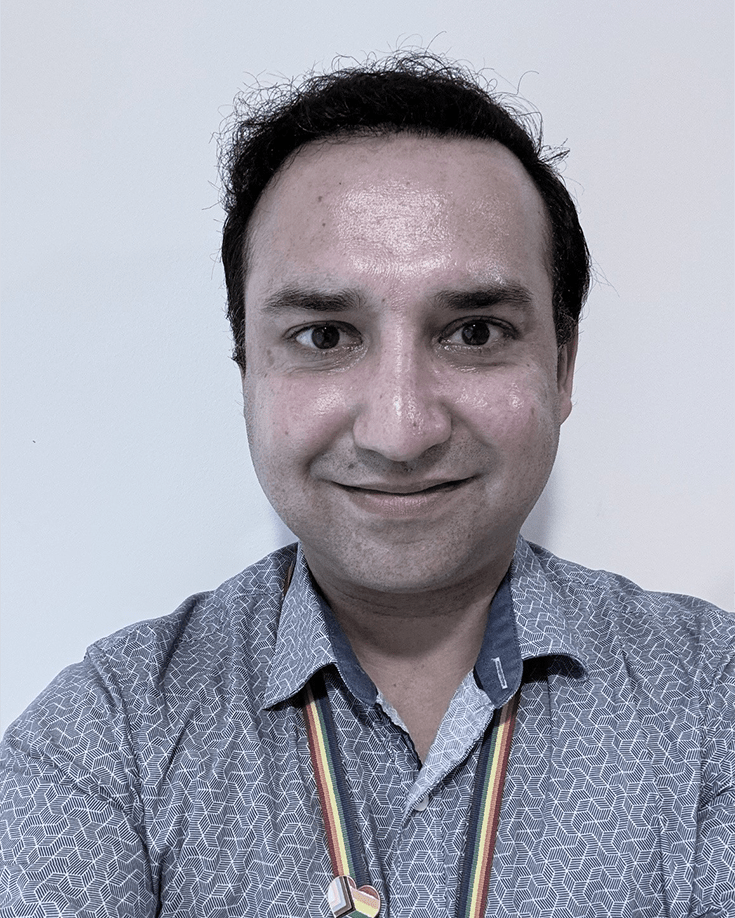
Dr Richard Wuhrer
Facility Research Manager, Advanced Materials Characterisation Facility
Dr Richard Wuhrer is the Facility Research Manager of the Advanced Materials Characterisation Facility (AMCF) at Western Sydney University (WSU).
Dr Wuhrer has extensive experience on various scanning electron microscopes, variable pressure and environmental scanning electron microscopes, microanalysis systems, X-ray mapping and X-ray diffraction. He has taught many courses and workshops in the field of Characterisation techniques, SEM, ESEM, EDS, WDS, XRM, EM Maintenance, GSR, Forensic Characterisation techniques, Thermal Analysis, Spectroscopy, EM Probe and X-Ray Diffraction (XRD). He has also taught many courses and workshops in the field of materials science and engineering (Metallurgy, Organic and Inorganic Materials, Corrosion Science, Composites and Surface Engineering).
Dr Wuhrer has a PhD in Applied Science from the University of Technology, Sydney and is the Past President of the Australian Microbeam Analysis Society (AMAS). He has over 200 reviewed publications on a variety of topics from art works to gunshot residue analysis, surface engineering, development of new alloys and new materials, though his main interest is characterisation techniques and further development of these techniques through combining systems and aiding in the analysis of materials and biological materials.
T: 0411 877 476

Dr Scott Willis
Facility Research Manager, Biomedical Magnetic Resonance Facility
Dr Scott Willis is the Facility Manager at the Biomedical Magnetic Resonance Facility (BMRF). A number of instruments in the BMRF are also part of the WSU node of the National Imaging Facility (NIF).
Dr Willis comes from a background of nanotechnology with a PhD from Western Sydney University in 2013 where he designed Brownian Ratchets using liquid crystal systems resulting in a patent. Dr Willis is experienced in using the instruments in the BMRF from several research and collaborative projects ranging from spectroscopy experiments, to studying anisotropic diffusion in gels, to studying diffusion of polymers, molecules, and ions, to NMR/MRI relaxation measurements, to NMR signal suppression and pulse sequence design, and imaging experiments. Dr Willis appears on numerous research publications, book chapters, and has presented at several conferences.
T: 02 4620 3114
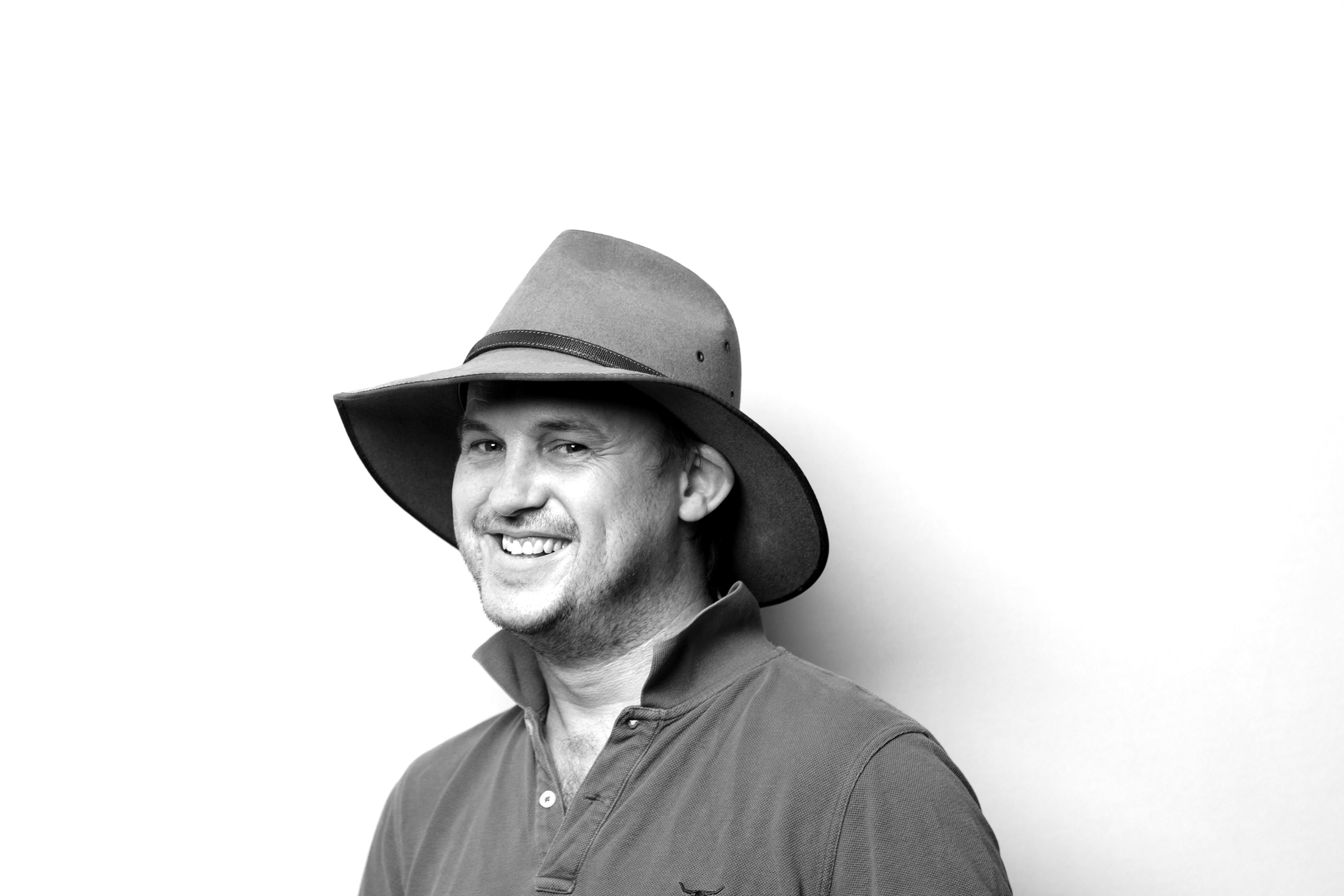
Dr Rishi Pandey
Facility Research Manager, Mass Spectrometry Facility
Dr Rishi Pandey is the Facility Research Manager at the Mass Spectrometry Facility at Western Sydney University. Dr Pandey is a seasoned biochemist and a people leader with over a decade of experience in biotechnology industry, Crown Research Institutes and Biotechnology startups. He holds a PhD in Biochemistry from the University of Canterbury, New Zealand, and his expertise encompasses synthetic biology, toxicology, and analytical chemistry, with extensive hands-on experience with sophisticated analytical platforms including HPLC, ESI-MS/MS, GCMS/MS, and Q-TOF.
In previous roles, Dr Pandey led a biochemistry team in successfully developing scalable processes for fabrication and production of antiviral molecules. He has pioneered mass spectrometry-based assays for characterising peptide and protein candidates, enhancing drug profiles for preclinical studies. Additionally, he has led a team managing workplace drug testing and toxicology workflows. He was also a driving force in developing next-generation electrochemical biosensor platforms for molecular diagnostics.
Dr. Pandey’s contributions have been recognized with awards like the KiwiNet Emerging Innovator Award. Outside of his professional life, Dr. Pandey is actively involved in community services, volunteering with the Burnett Foundation, and Inclusive communities Australia. His passion for science innovation, and commercialisation continues to drive his contributions to biomedical sciences.
T: 0423 281 490