Professoriate
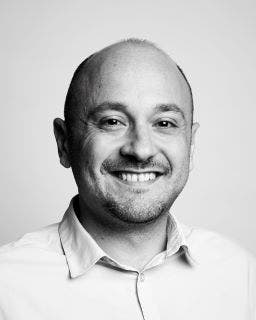
Professor Mark Antoniou
Bilingualism
Mark Antoniou is a psycholinguist whose research encompasses cognitive, neuroscientific, and developmental aspects of language learning and use, including bilingualism. His work focuses on bilingualism and language learning, exploring why some learners adapt more easily to new languages than others. By studying individual differences in language experience, his research informs education, communication and support for multilingual communities across diverse settings.
Email | LinkedIn | Google Scholar
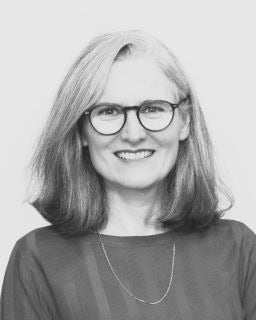
Associate Professor Elise Baker
Language Development
Elise Baker is the Director of Research for the School of Health Sciences, Conjoint Associate Professor Allied Health with SWSLHD, and a qualified speech pathologist who focuses on improving outcomes for children with communication disorders, particularly speech sound disorders and late talking. Her research spans assessment, intervention and implementation science, with a strong emphasis on translating evidence into clinical practice and health services to support children, families and enable equitable access to care.
Email| LinkedIn | Google Scholar
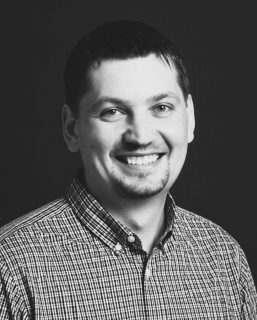
Associate Professor Anton Bogdanovych
Artificial Intelligence
Anton Bogdanovych is an Associate Professor, Entertainment Computing and Applied Artificial Intelligence in the School of Computer, Data and Mathematical Sciences who specialises in artificial intelligence and virtual reality, developing immersive simulations and intelligent agents to support training and human–machine interaction. His research focuses on creating realistic virtual environments and robotic systems that enable safe, interactive learning in areas such as healthcare, cultural heritage and emergency response. His work bridges AI, simulation and real-world application.
Email| LinkedIn | Google Scholar
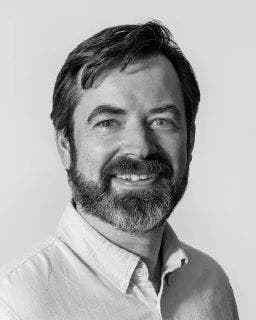
Professor Paul Breen
Biomedical Engineering
Paul Breen is a neuroscientist with expertise in sensory processing and brain stimulation, with a focus on perception, balance and ageing. His research explores how the brain adapts to sensory input and stimulation to improve wellbeing. With a strong focus on translation and commercialisation, he has helped establish two Australian start-ups: Medical Monitoring Solutions and PAYO Scientific, which develops the Braincubator tissue incubation system, and been instrumental in the development of the MemoryAid prototype.
Email| LinkedIn | Google Scholar
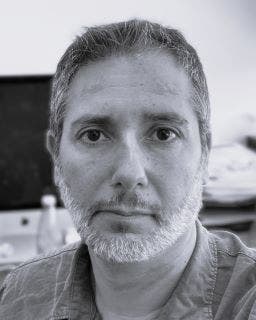
Associate Professor Yossi Buskila
Neurophysiology
Yossi Buskila is a neurophysiologist from the School of Medicine, who investigates how brain cells communicate, with a focus on neuronal and astrocyte interactions in neurodegenerative diseases. His research examines the cellular mechanisms underlying conditions such as Alzheimer’s disease and motor neuron disease, using advanced electrophysiology and imaging techniques to better understand disease progression and identify potential therapeutic pathways.
Email| LinkedIn | Google Scholar
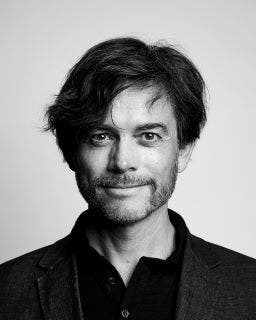
Associate Professor John Cass
Cognitive Neuroscience
John Cass is an experimental psychologist from the School of Psychology specialising in vision, perception and cognition. His research explores how humans process complex sensory information, including how factors such as attention, stress and cognitive load influence performance in real-world and virtual environments. John contributes to improving situational awareness and human–machine interaction in demanding applied settings.
Email| LinkedIn | Google Scholar
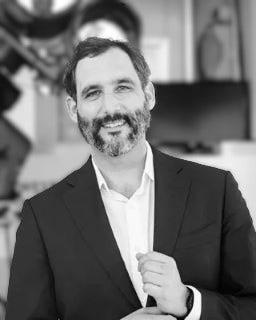
Professor Gregory Cohen
Neuromorphic Engineering
Gregory Cohen is Director of the International Centre for Neuromorphic Systems (ICNS). His research has transformed visual sensing and established the field of neuromorphic space imaging. A pioneer in using neuromorphic sensors for space applications, his work supports object tracking, Earth observation, and Space Situational Awareness, driving major international research efforts in the field.
Email | LinkedIn | Google Scholar
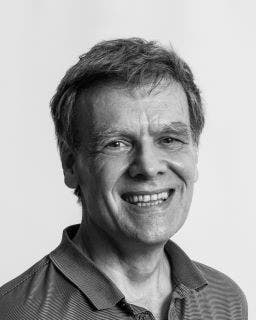
Professor Chris Davis
Speech Perception & Multisensory Communication
Chris Davis is Director of Higher Degree Research at the MARCS Institute and studies how people understand speech and language in everyday life. His work examines how the brain combines sound, vision and linguistic information to support communication, from early language learning to understanding speech in noisy or complex environments as we age. By studying communication across the lifespan, his research helps explain how humans adapt their listening and language skills as conditions change.
Email [[link]] | Google Scholar
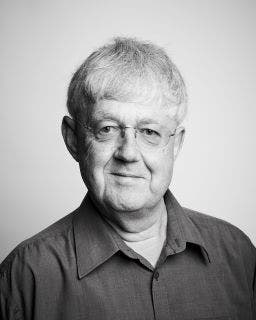
Professor Roger Dean
Music Science
Roger Dean is a researcher in music composition, cognition and computation, with particular emphasis on improvisation and interactive narrativity in music, text, sound, image and real time applications. Roger's work examines the cognitive, affective and prosocial impacts of music using quantitative and qualitative approaches, including computational and cognitive models. He has former expertise in biological sciences, including molecular cell biology and medical research. This interdisciplinary research informs digital creativity, music technology and new ways of understanding how sound communicates meaning and emotion.
Email| Google Scholar
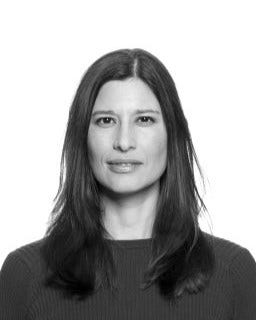
Professor Paola Escudero
Language Development
Paola Escudero is Director of Research at the MARCS Institute. Paola is a linguist whose work focuses on speech and visual processing in diverse populations across the lifespan, including monolingual and multilingual infants, young children, and adults as well as zebra finches. Her research deepens understanding of language learning and supports more inclusive approaches to education, communication technologies and language development in culturally diverse societies.
Email | LinkedIn | Google Scholar

Professor Gaetano Gargiulo
Biomedical Engineering
Gaetano Gargiulo is Head of Discipline, Electrical & Electronic Engineering in the School of Engineering, and specialises in the development of wearable and non-invasive sensing technologies for health monitoring. His research focuses on bio-signal processing and medical instrumentation, particularly for cardiovascular diagnostics. By designing advanced sensors and analytical methods, his work aims to enable earlier detection of disease and support more accurate, continuous monitoring of patient health in real-world settings.
Email| LinkedIn | Google Scholar
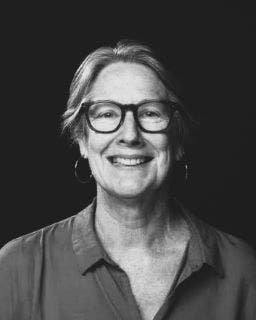
Associate Professor Alison Gill
Social & Cultural Research
Alison Gill is a design researcher from the School of Arts, whose work explores how design shapes everyday social practices, communication and material life. Alison focuses on how fashion writing, critical theory and philosophies of embodiment inform sustainable design, repair culture. She also examines the socio-material impacts of design, researching how objects, practices and values interact to support more sustainable and socially connected ways of living.
Email| LinkedIn | Google Scholar
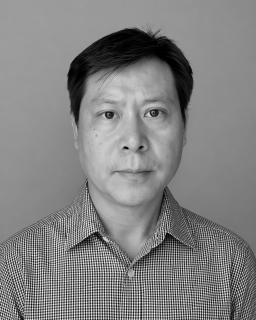
Associate Professor Yi Guo
Machine Learning
Yi Guo is a data scientist from the School of Computer, Data & Mathematical Sciences, specialising in machine learning, computational statistics and mathematical modelling. His research develops advanced algorithms for analysing complex, high-dimensional data, including image and pattern recognition. Yi applies these techniques across real-world domains, using optimisation and statistical methods to extract insights and improve data-driven decision-making.
Email| LinkedIn | Google Scholar
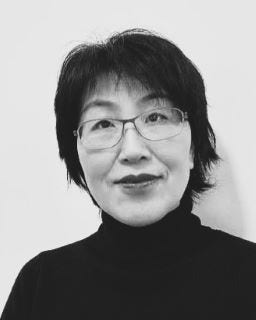
Professor Jinghe Han
Multilingual Learning
Jinghe Han is a Professor in language teaching and teacher education in the School of Education whose research focuses on bilingualism and multilingual learning. Her work explores translanguaging, English-medium instruction and cross-cultural pedagogy, examining how language, culture and knowledge interact in internationalised education and higher-degree research training.
Email[[link]] | Google Scholar
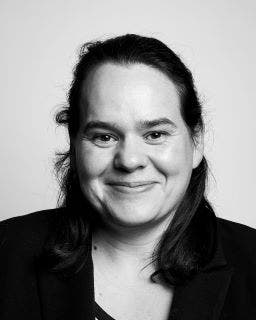
Professor Celia Harris
Memory & Ageing
Celia Harris is Leader of The Age Lab and studies how memory works and how it can be supported to improve cognitive, wellbeing, identity, and relationships. Her research explores how external cues, prompts and retrieval strategies help people access memories more effectively. This work has applications for mental health, ageing and the healthcare sector, with the aim of developing practical tools that support memory across the lifespan.
Email| LinkedIn | Google Scholar
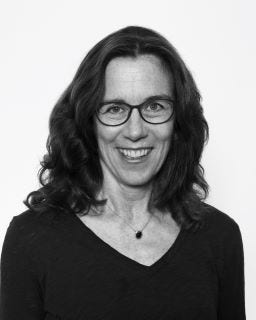
Professor Susan Hespos
Infant Learning & Developmental Psychology
Sue Hespos is Professor of Infant Studies, Leader of the BabyLab and Director of Impact & Engagement at the MARCS Institute. Sue is a developmental psychologist whose research explores infant language acquisition, cognitive development and learning. Her work challenges long‑held assumptions about early learning and informs education, child wellbeing and lifelong cognitive development.
Email| LinkedIn | Google Scholar
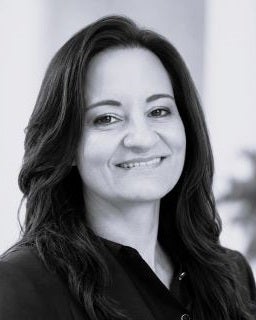
Associate Professor Ana Hol
Information Technology
Ana Hol is an information systems researcher and Associate Dean International in the Faculty of Engineering, Computing and Science. Her work focuses on digital transformation, business process innovation and the strategic adoption of information technologies across organisations. She explores how emerging technologies, including artificial intelligence, reshape business practices, decision-making, workforce capability and technology-enabled change. Her research and professional practice also extend to education innovation, with an emphasis on authentic learning, employability and interdisciplinary digital skills.
Email | LinkedIn | Google Scholar
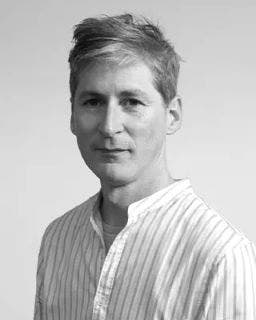
Professor Paul Hurley
Data Science
Paul Hurley is a Professor of Data Science from the School of Computer, Data & Mathematical Sciences and a member of the International Centre for Neuromorphic Systems (ICNS). His research interests are mathematical signal processing, data science, algorithms, information theory medical imaging and radio astronomy interferometry.
Email| LinkedIn | Google Scholar
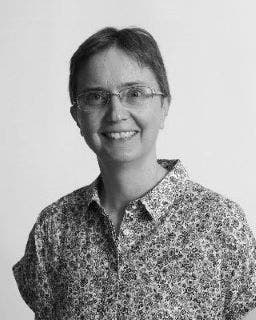
Professor Caroline Jones
Language Learning & Technology
Caroline Jones researches how language is learned, used and supported across the lifespan. Her work spans language development, language education and communication in health contexts, including early assessment and intervention. By combining insights from linguistics, psychology and technology, her research supports more effective communication in educational, clinical and community settings.
Email| LinkedIn | Google Scholar
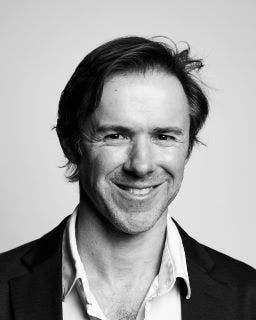
Professor Peter Keller
Music Science
Peter Keller is a neuroscientist specialising in the study of music and the brain. His research investigates how the psychological and neurophysiological mechanisms that allow humans to interact and communicate with one another non-verbally, support musical timing, coordination and social interaction, from individual performance to group ensembles. By studying music as a model of human cooperation, his work offers insights into communication, teamwork and the neural foundations of complex social behaviour.
Email| LinkedIn | Google Scholar
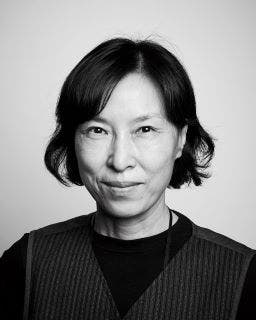
Professor Jeesun Kim
Multisensory Communication
Jeesun Kim studies how people perceive and produce speech and non-speech signals during face-to-face communication. Her research focuses on the adaptive nature of communication, examining how age-related, environmental and communicative factors influence the use of auditory, facial, and gestural cues. Her work informs the development of more accessible communication strategies, particularly for older adults and individuals with communication difficulties.
Email| LinkedIn | Google Scholar
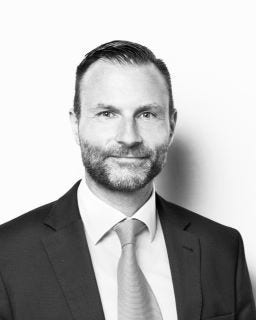
Professor Robert Mailhammer
Linguistics
Robert Mailhammer is a historical linguist from the School of Arts, whose research focuses on studies what makes languages diversify, how they become different, and their connections to the histories of their speakers. One aim of his research is to explore the richness and sophistication of human language in all its diversity, so language can be better appreciated and used for problem-solving. His work examines how languages change over time and how they are used across different communities. By investigating linguistic variation and development, his research contributes to understanding language systems and their role in communication and culture.
Email| LinkedIn | Google Scholar
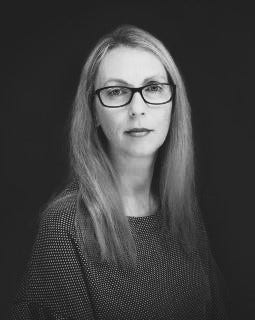
Professor Alana Maurushat
Cybersecurity & Behaviour
Alana Maurushat is a researcher in law and technology whose work focuses on cybersecurity, digital governance and the regulation of emerging technologies in the School of Social Sciences and the School of Computer, Data and Mathematical Sciences. Her research examines how legal frameworks can respond to technological change and digital risk. This work contributes to improving policy, security practices and the safe use of technology in society.
Email| LinkedIn | Google Scholar
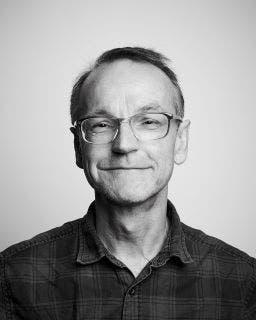
Associate Professor Andrew J. Milne
Music Science
Andrew Milne is an Associate Professor in Music Cognition and Computation from the School of Arts who researches the cognitive and mathematical foundations of music and how these impact on creativity, learning, and wellbeing. This includes cross-cultural music cognition, and the cognition and creative implications of familiar and unfamiliar musical rhythms and harmony. He is also a musician, composer, and occasional performer, and has developed several music software applications (including the widely used XronoMorph rhythm generator), and designed and built new musical interfaces in public art, therapeutic, and educational settings.
Email| LinkedIn | Google Scholar
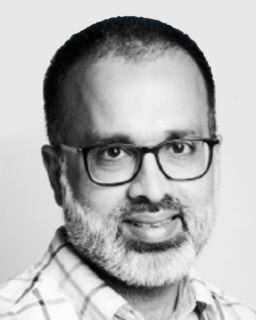
Associate Professor Omar Mubin
Human–Computer Interaction
Omar Mubin is an Associate Professor in Human-Centred Computing & Human-Computer Interaction from the School of Computer, Data and Mathematical Sciences. His research interests include Human Computer Interaction, exploring the role of robots in education, empirical research in Human Computer Interaction and user-centered design.
Email| LinkedIn | Google Scholar
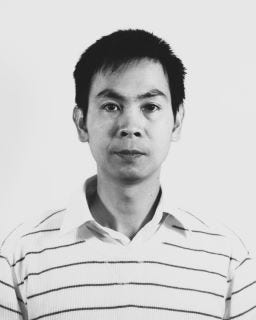
Associate Professor Quang Vinh Nguyen
Visual Analytics
Quang Vinh Nguyen is an Associate Professor in Visual Analysis from the School of Computer, Data and Mathematical Sciences who specialises in human–computer interaction and visual analytics, focusing on how people interact with complex data and technological systems. His research explores intuitive interface design, data visualisation and gesture-based interaction to support decision-making and learning. Vinh aims to make complex digital environments more accessible and effective across education, health and analytics.
Email| LinkedIn | Google Scholar
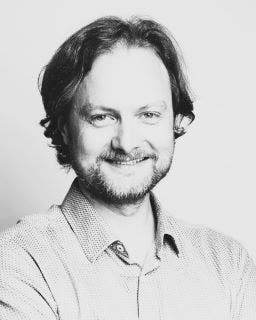
Associate Professor Laurence Park
Data Science
Laurence Park is a data scientist from the School of Computer, Data and Mathematical Sciences whose research focuses on machine learning and large-scale data analysis to understand complex patterns in human and technological systems. His work explores information retrieval, user interaction and social network data, developing computational models that improve how information is organised, accessed and used in real-world applications.
Email| LinkedIn | Google Scholar
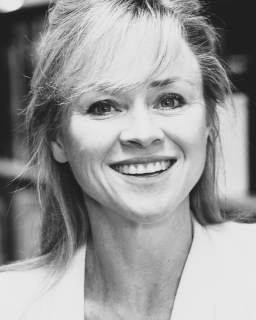
Professor Catherine Renshaw
Human Rights & International Law
Catherine Renshaw is Dean of the School of Law, and a researcher in international law and human rights. Her work examines governance, regulatory frameworks and justice in regional and global contexts. By studying legal and institutional structures, Catherine's research contributes to understanding how human rights are protected and advanced across diverse political and social environments.
Email| LinkedIn | Google Scholar

Professor Jorge Serrador
Biomedical Engineering
Jorge Serrador is a biomedical engineer whose research explores how the brain interacts with the body’s cardiovascular and vestibular systems. His work focuses on blood flow, balance and physiological regulation, particularly in conditions affecting mobility and health. By combining engineering and neuroscience, Jorge supports advances in health monitoring, ageing, and rehabilitation technologies.
Email| LinkedIn | Google Scholar
Associate Professor Alison Short
Music Therapy & Health
Alison Short is a music therapist and health researcher from the School of Arts whose work examines the role of music in clinical and community health settings. Her research focuses on music therapy in areas such as cardiac rehabilitation, mental health and public health environments, alongside health communication, cultural factors and interdisciplinary care, to support evidence-based patient-centric healthcare practices.
Email| LinkedIn | Google Scholar
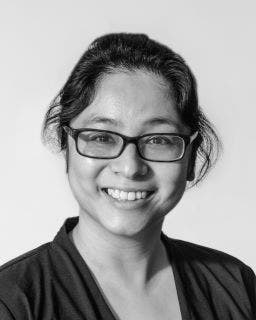
Associate Professor Joyce Siette
Dementia Risk Reduction
Joyce Siette is the Deputy Director of the MARCS Institute and a member of The Age Lab. Joyce is a health services researcher focused on reducing dementia risk and supporting healthy brain ageing across the lifespan. Her research explores how lifestyle, social connection and digital health approaches can improve cognitive wellbeing, particularly for older adults and diverse communities. Joyce is committed to translating research into practical, community‑based programs that empower people to take an active role in their brain health.
Email| LinkedIn | Google Scholar
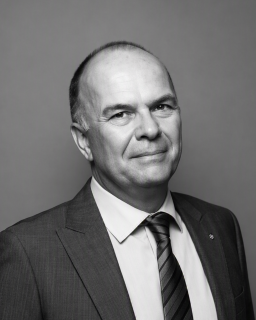
Professor Simeon Simoff
Data Science & Artificial Intelligence
Simeon Simoff is a researcher in data science and artificial intelligence in the School of Computer, Data and Mathematical Sciences. His work focuses on knowledge discovery, data analytics and intelligent systems. By developing methods to analyse complex data, his research contributes to better decision‑making and understanding across a range of application areas, including digital systems and human‑centred technologies.
Email| LinkedIn | Google Scholar
Professor Kate Stevens
Human-Machine Interaction
Kate Stevens is Director of the MARCS Institute and a cognitive scientist specialising in music, movement and human interaction. Her research explores how people perceive, learn and perform complex actions, using approaches from psychology and neuroscience. Kate applies this work to areas such as human–machine interaction, communication and creativity, advancing understanding of brain function across diverse real‑world contexts.
Email | LinkedIn | Google Scholar
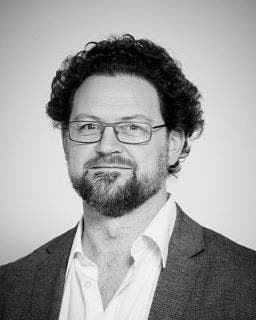
Associate Professor Nicholas Tothill
Astrophysics
Nick Tothill is an astrophysicist in the School of Science whose research focuses on the study of galaxies, star formation and cosmic phenomena using observational and computational approaches. His work includes applications of event‑based camera technologies to astronomical and space science problems, spanning radio, optical and millimetre-wave astronomy and contributing to advances in space imaging and understanding the universe.
Email| LinkedIn | Google Scholar
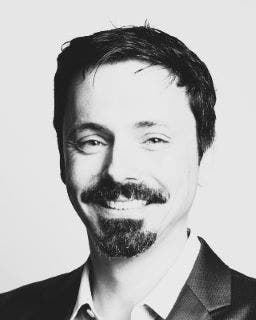
Associate Professor Tomas Trescak
Intelligent Systems
Tomas Trescak is a computer scientist from the School of Computer, Data and Mathematical Sciences specialising in artificial intelligence and mixed reality technologies. His research focuses on intelligent systems, virtual and augmented environments, and interactive simulations that support learning and decision-making. By combining AI with immersive technologies, Tomas aims to address complex cognitive challenges in areas such as healthcare, education and cyber security.
Email| LinkedIn | Google Scholar
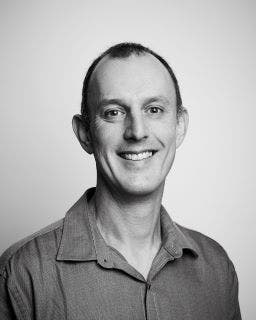
Associate Professor Michael Tyler
Speech Perception
Michael Tyler is a speech scientist in the School of Psychology, examining how people perceive and learn spoken language. He uses experimental psychology methods to demonstrate how prior language experience shapes speech perception and explore whether a learners can overcome a perceptual accent when acquiring a new language. Michael is especially interested in finding out why humans have difficulty telling the difference between some sounds in foreign languages, co-developing a Perceptual Assimilation Model for Second Language Speech Perception (PAM-L2) to account for this phenomenon.
Email| LinkedIn | Google Scholar
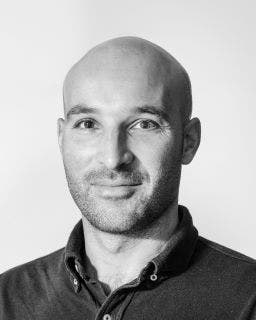
Professor Manuel Varlet
Cognitive Neuroscience
Manuel Varlet is a Professor in Cognitive Neuroscience. His research investigates the perceptual-motor and cognitive processes underlying human performance and their changes across the lifespan, including changes associated with expertise and pathologies, using behavioural, neuroimaging and brain stimulation methods. He is particularly interested in identifying the neural, informational and biomechanical mechanisms that support and enhance agent–environment and multi-agent coordination. He employs a range of motion capture, EEG, TMS, tDCS/tACS and virtual reality technologies to investigate these processes, as well as a wide variety of contemporary linear and nonlinear time-series analysis and computational modelling techniques.
Email| LinkedIn | Google Scholar
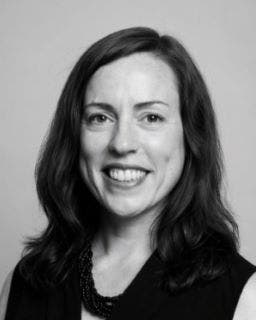
Associate Professor Tamara Watson
Visual Perception & Trust in Technology
Tamara Watson is Head of Discipline, Criminology and Policing in the School of Social Sciences, and is a cognitive psychologist studying trust, virtual reality and visual perception. Her research investigates perception, eye movements and multisensory integration, examining how stable and meaningful visual experiences emerge from constantly changing sensory input. Using behavioural and neuroimaging methods, Tamara's provides insights into perception in both typical populations and clinical contexts, with broader implications in how we trust technology.
Email| LinkedIn | Google Scholar
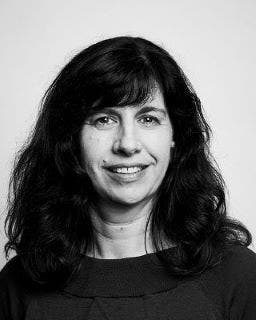
Professor Gabrielle Weidemann
Cognitive Psychology
Gabrielle Weidemann is Dean of the School of Psychology and a behavioural neuroscientist who studies various forms of human associative learning a central mechanism for behaviour change. Her research looks the practical implications of associative learning, including how it contributes to language acquisition, word learning, musical preferences, infant emotion recognition, object preference, decision making in older adults and the processing of visual information.
Email| LinkedIn | Google Scholar