Researchers
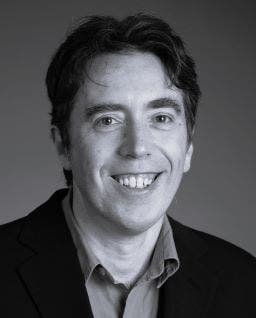
Dr Nathan Absalom
Clinical Neuroscience
Nathan Absalom is a neuroscientist in the School of Science. His research is at the interface of basic and clinical science, investigating the molecular and cellular mechanisms that define severe childhood epilepsies. His work focuses on how rare genetic variants in ion channels alter neural signaling pathways to cause severe cognitive and gross motor deficits, intractable seizures and early mortality risk. His ultimate aim is to identify targets for novel therapeutic interventions for individuals with this condition.
Email [[link]]
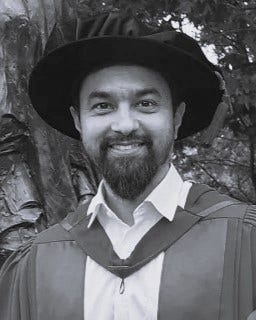
Dr Waqas Afridi
Neuromorphic Engineering
Waqas Afridi is a Postdoctoral Research Fellow at the International Centre for Neuromorphic Systems (ICNS). His research focuses on integrating sensor technologies and AI for ecological and agricultural applications. His research interests include instrumentation, design and fabrication of impedimetric sensors, Internet of Things, data analytics, and machine learning, with an emphasis on translating lab prototypes into practical field solutions.
Email| LinkedIn | Google Scholar
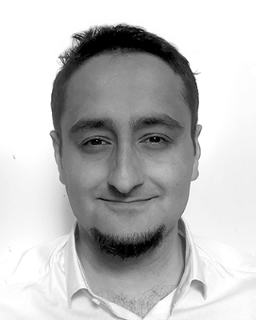
Dr Saeed Afshar
Neuromorphic Engineering
Saeed Afshar is a researcher in neuromorphic systems at ICNS, whose work focuses on brain‑inspired sensing and computing technologies. He studies event‑based vision, neural hardware and intelligent signal processing to develop efficient systems for real‑time perception. His research supports applications in robotics, artificial intelligence and low‑power sensory devices.
Email| LinkedIn | Google Scholar
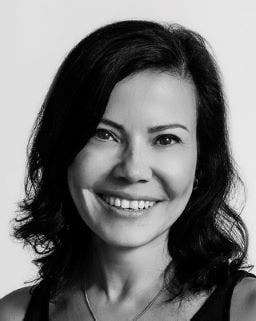
Dr Eylem Altuntas
Developmental Psycholinguistics
Eylem Altuntas is a developmental psycholinguist in the School of Arts, studying how infants acquire their first language. Her research focuses on how young children perceive and learn speech, particularly the role of caregiver input and early phonological development. Combining brain and behavioural methods, she investigates how infants form sound patterns and build the foundations of language in the first year of life.
Email| LinkedIn | Google Scholar
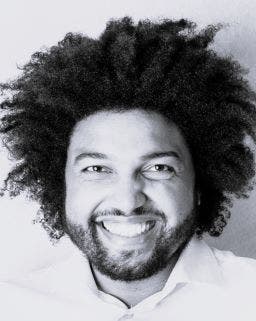
Dr Tuki Attuquayefio
Psychology (Learning & Memory)
Tuki Attuquayefio is a Lecturer in the School of Psychology who uses experimental psychology and machine learning approaches to understand human behaviour. His research interests include eating behaviour, diet, gut microbiome, memory and cognition.
Email | LinkedIn | Google Scholar
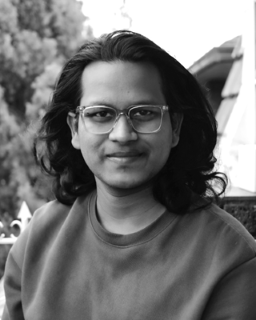
Dr Yeshwanth Ravi Theja Bethi
Neuromorphic Engineering
Yeshwanth Ravi Theja Bethi is a postdoctoral researcher in neuromorphic engineering at ICNS, developing novel computational architectures inspired by biological computation and signal processing. His current research focuses on low-power edge AI accelerators and machine learning architectures for reinforcement learning and vision. This work enables advanced autonomy and intelligence on extremely power-constrained platforms, including micro-UAVs and robotics.
Email| LinkedIn
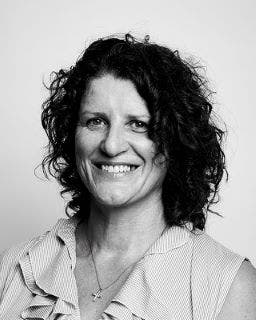
Dr Ruth Brookman
Attuned Communication in Dementia Care
Ruth Brookman is a clinical psychologist and research fellow whose research examines how human interactions shape wellbeing across the lifespan. From foundational work on early life relational ‘attunement’ to dementia and aged care, she has advanced into interdisciplinary technology development and policy‑relevant synthesis and is involved in translating psychosocial evidence into scalable interventions for key healthcare industry partners. By examining communication in everyday and clinical contexts, her research supports better understanding of social connection across the lifespan.
Email| LinkedIn | Google Scholar
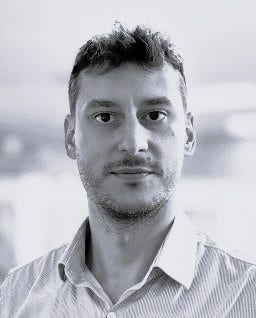
Dr Gabriele Cecchetti
Music Cognition
As a Research Fellow in Music Science, Gabriele studies how our brains transform sequences of sounds into meaningful structures when listening to music. Building on his background as a scientist and musician, his work combines music theory, cognitive science and computational methods to deepen our understanding of musical experience and support new approaches to listening, creativity, and artificial music generation.
Email| LinkedIn | Google Scholar
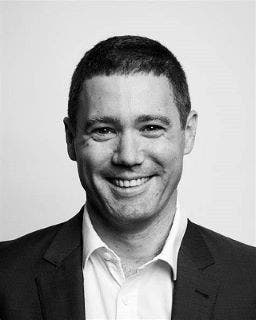
Dr Simon Chambers
Social & Cultural Research
Simon Chambers is a cultural sociologist who studies cultural practices to understand how they evolve and how they are experienced by audiences in contemporary society. His work explores how digital platforms are reshaping the production and consumption of culture, particularly music, with implications for policy and regulation of digital music services. In examining the social dimensions of cultural practices, Simon draws on an approaches spanning network modelling, computational content analysis of recorded music, and in-depth interviews with musicians and audiences.
Email| LinkedIn | Google Scholar
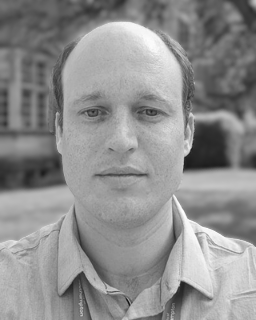
Dr Sergio Chevtchenko
Neuromorphic Engineering
Sergio Chevtchenko is a Postdoctoral Research Fellow at ICNS. His research focuses on sound event localization and detection (SELD), low-resource speech recognition, and applied machine learning.
Email| LinkedIn | Google Scholar

Dr Yeongeun Choi
Language Development
Yeongeun Choi is a postdoctoral fellow whose research encompasses articulatory, cognitive, and developmental aspects of language learning, including multilingualism and dialect variation. Yeongeun's work explores how learners perceive and produce new languages, and how linguistic variation and language experience shape language learning and use. Through this line of inquiry, her research deepens understanding of language systems and their role in speech communication and development.
Email | Google Scholar
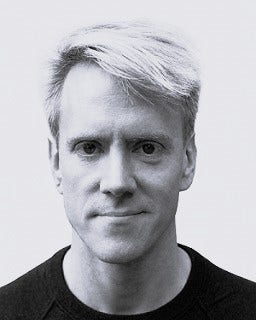
Dr Justin Christensen
Musical Agency in Dementia
Justin Christensen explores how meaningful music-making with family and friends can empower people living with dementia to stay active, connected, and feel recognised for what they contribute. His aim is to develop practical, innovative solutions that can bring joy, creativity, a sense of identity, and feelings of togetherness to people living with dementia, along with their families and carers.
Email| LinkedIn | Google Scholar

Dr Tim Cottier
Cognitive Neuroscience
Timothy Cottier is a cognitive neuroscientist who conducts research in visual perception. He is interested in using behavioural and electroencapholgraphy (EEG) approaches to understand how the brain represents and perceives its external environment. He is particularly interested in how visual perception varies between individuals.
Email | LinkedIn | Google Scholar
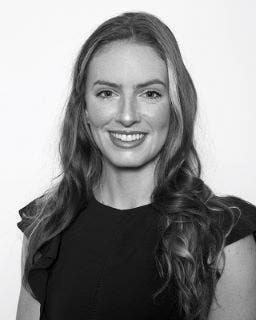
Dr Laura Dodds
Social & Cultural Research
Laura Dodds is a postdoctoral researcher in the Age Lab, whose work focuses on healthy ageing and wellbeing. Laura explores factors that support cognitive health and quality of life across later adulthood. By working closely with community groups, her findings inform approaches that help people remain socially and cognitively engaged as they age.
Email| LinkedIn | Google Scholar

Dr Al Fuller
Music Therapy
Al Fuller is a music therapist from the School of Arts whose research explores creative and technology‑enabled approaches to therapy across the lifespan. Al focuses on neurodiversity, disability, rehabilitation and aged care, and has particular expertise in augmentative communication, telehealth and visual supports. She integrates clinical practice, education and innovation to enhance inclusive, family‑centered therapeutic outcomes.
Email| LinkedIn | Google Scholar
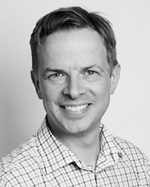
Dr Michael Gascoigne
Memory
Michael Gascoigne is a clinical neuropsychologist and Senior Lecturer in the School of Psychology whose research focuses on memory and cognitive functioning in clinical populations. Michael examines the impact of neurological conditions—particularly epilepsy and brain injury—on learning, attention and long-term memory. He aims to embed an understanding of cognitive impairment into the improvement of assessment and rehabilitation approaches for individuals with neurological disorders.
Email | LinkedIn | Google Scholar

Dr Antonia Goetz
Child Development
Antonia Goetz is a research fellow in infant studies whose work focuses on child language acquisition and neuroscience. Antonia investigates the interplay between infants’ speech perception, social interaction, and neural processes, advancing our understanding of developmental mechanisms. Her work offers insights into perceptual attunement, neural sensitivity to linguistic cues, and the early predictors of language impairments.
Email| LinkedIn | Google Scholar
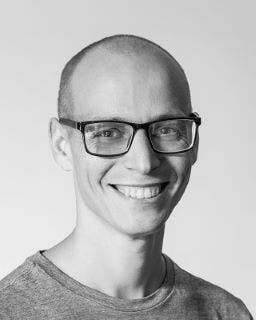
Dr Tijl Grootswagers
Cognitive Neuroscience
Tijl Grootswagers applies computational and analytic approaches to understand how biological and artificial systems represent and processes information. By combining brain imaging with advanced modelling techniques, his work contributes to understanding brain function at scale.
Email| LinkedIn | Google Scholar
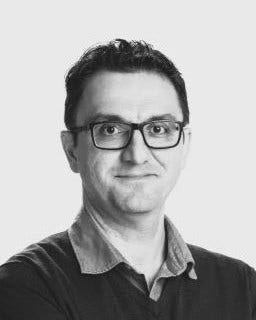
Dr Dariush Izadi
Social & Cultural Research
Dariush Izadi is a linguistic anthropologist in the School of Arts whose research examines how language, social interaction and material environments shape meaning-making in everyday life. His work focuses on discourse, semiotics and sociolinguistics, exploring how identities, power and culture are negotiated across physical and digital contexts, including social media and multicultural urban settings.
Email| LinkedIn | Google Scholar
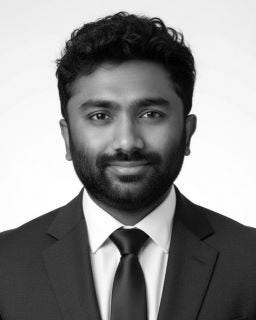
Dr Titus Jayarathna
Electronic Engineering
Titus Jayarathna is a postdoctoral research fellow in biomedical engineering whose work focuses on developing low‑power wearable health technologies. Titus develops wearable neurostimulation and physiological monitoring devices, combining embedded systems, signal processing and digital health approaches. By working closely with clinicians and industry partners, his research translates engineering innovation into practical, real‑world healthcare applications.
Email| LinkedIn | Google Scholar
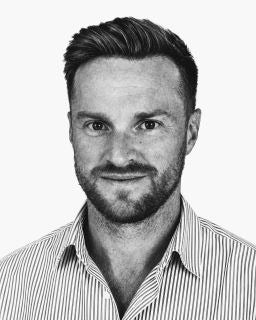
Dr Paul Kirkland
Neuromorphic Engineering
Paul Kirkland works to give machines situational awareness through perception and cognition, treating embodiment as the defining context for intelligence. His research at ICNS combines event-based neuromorphic sensors, spiking neural networks, and Vector Symbolic Architectures/Algebras (VSAs) to build autonomous systems that can sense, reason, and adapt in dynamic real-world environments.
Email| LinkedIn | Google Scholar
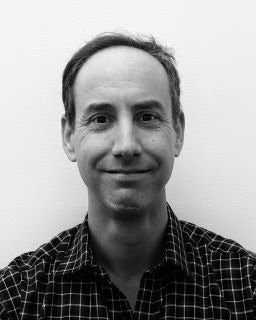
Dr Nimrod Kruger
Computational Neuromorphic Imaging
Nimrod Kruger works at the interface of neuromorphic engineering and photonics, developing the field of Computational Neuromorphic Imaging (CNI). With CNI, we peruse co-design of optics, sensors, and processing for low-latency scene inference - with event-based computation as its native language. The work spans new mathematics, physics, and hands-on experiments in ICNS's expanding optics lab.
Email| LinkedIn | Google Scholar
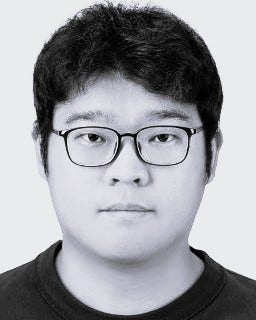
Dr Jooyoung Lee
Computational Linguistics
Jooyoung Lee is a postdoctoral fellow in computational linguistics whose work investigates how listeners perceive sounds in non-native languages. His research uses computational simulations to predict cross-linguistic perceptual behaviours in non-native language learning, extending beyond second language acquisition into third language contexts within the Second Language Linguistic Perception (L2LP) model.
Email | LinkedIn
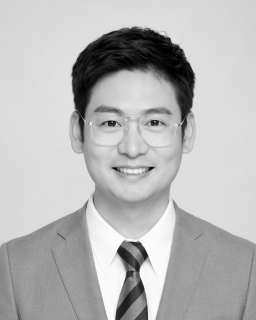
Dr Luyao (Louie) Liang
Language Development
Luyao (Louie) Liang is an Associate Lecturer in early childhood education in the School of Education whose research examines how language, literacy and technology shape learning in the early years of life. Louie focuses on early multilingual development, multiliteracies and the role of digital environments in language learning.
Email| LinkedIn | Google Scholar
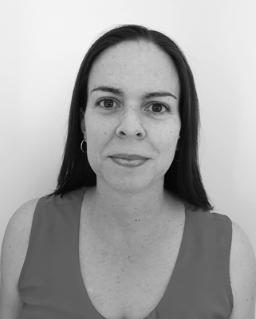
Dr Kate Linklater
Policing
Kate Linklater is a Senior Lecturer in Policing in the School of Social Science. Her research focuses on the social and cultural impacts of policy change within policing workplaces and is underpinned by an inclusion capital framework. Kate is on the Police Association of New South Wales' Research Team and was previously a detective in the New South Wales Police Force.
Email| LinkedIn | Google Scholar
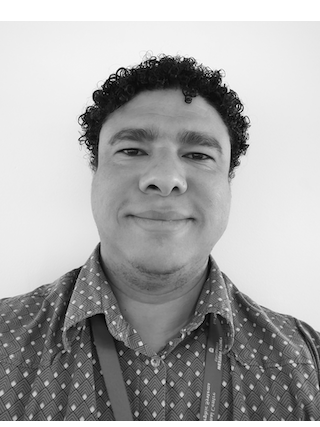
Dr Rafael Macieira
Embedded Systems and Hardware Engineering
Rafael Macieira is a Postdoctoral Research Fellow at ICNS with a Ph.D. in Computer Engineering, specializing in embedded systems for neuromorphic applications, FPGA-based hardware design, prototyping, and hardware–software integration. Experienced in developing real-time embedded platforms, hardware accelerators, and low-power edge systems, including FPGA-based Sound Source Localization using large microphone arrays. He is the former Chief Researcher and R&D Manager at SENAI, leading industrial innovation projects.
Email| LinkedIn | Google Scholar
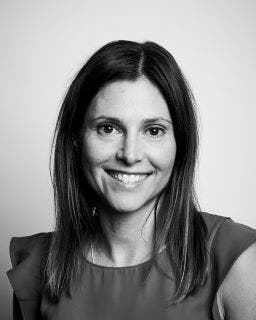
Dr Karen Mattock
Language Development
Karen Mattock is Head of Discipline, Psychological Science in the School of Psychology and a developmental psychology researcher who examines how infants and children acquire language. Karen has particular expertise in bilingual language development, and is interested in the factors that influence such development such as exposure and experience with language, cross-linguistic influences, hearing impairment, and infant-directed speech. Her most significant contribution is in the area of infants' perception of lexical tone, a feature of tone languages such as Mandarin and Thai. Karen also has research interests in perinatal wellbeing for caregiver and infant.
Email| LinkedIn | Google Scholar
Dr Andrew McKinnon
Ageing & Dementia
Andrew McKinnon is a Lecturer in Clinical Neuropsychology in the School of Psychology and studies the relationships between sleep, brain function and cognitive decline in ageing populations. His work focuses on identifying modifiable risk factors for dementia, particularly sleep disturbances, using neuroimaging and physiological measures. Andrew aims to improve early detection and inform interventions that reduce dementia risk and support healthy brain ageing.
Email | LinkedIn | Google Scholar
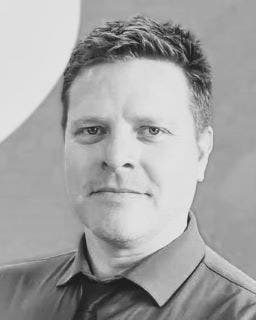
Dr Sam Merlin
Visual Neuroscience
Sam Merlin is a neuroscientist in the School of Science whose research investigates the structure and function of brain circuits, particularly in the visual system. His work focuses on cortical networks, neural pathways and mechanisms underlying perception and behaviour, using approaches such as optogenetics and animal models to understand how the brain processes sensory information and supports cognition.
Email| LinkedIn | Google Scholar
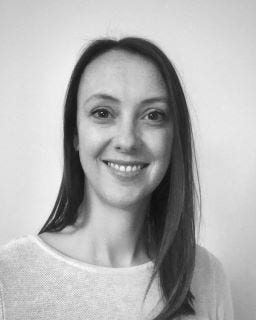
Dr Denise Moerel
Cognitive Neuroscience
Denise Moerel is a postdoctoral researcher in cognitive neuroscience whose research examines how the brain transforms visual input into meaningful perceptual experiences. Combining neural data with machine learning approaches, she investigates the temporal dynamics of visual perception, the role of attention in guiding information processing, and how social interactions influence the way we perceive the world around us.
Email | Google Scholar
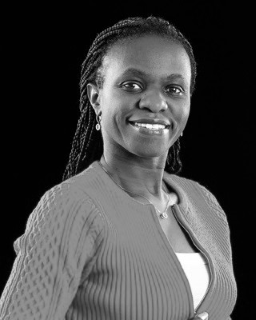
Dr Teddy Nagaddya
Social & Cultural Research
Teddy Nagaddya is a social scientist within the School of Social Sciences. Her policy-engaged research broadly focuses on how societies respond to population ageing in increasingly diverse and mobile contexts in the context of ageing and the aged care workforce, intergenerational relations, migration and place-based policies. Teddy's research embodies an equity, sustainability, culturally responsive and social cohesion approach.
Email| LinkedIn | Google Scholar
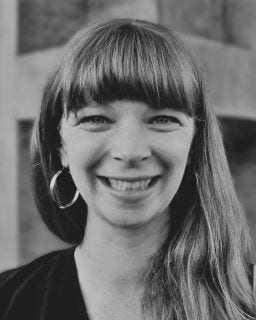
Dr Jaimie Northam
Clinical Psychology
Jaimie Northam is a lecturer in Clinical Psychology from the School of Psychology with an interest in the mental health of children, adolescents and families. Her research explores emotional development in childhood and the predictive effects of emotion dysregulation on emerging psychopathologies. Jaimie is focused on the development and dissemination of evidence-based early intervention treatments for mental health problems.
Email| LinkedIn
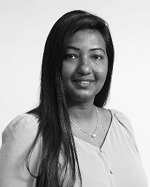
Dr Samalika Perera
Neuromorphic Engineering
Samalika Perera is a research engineer at ICNS specialising in neuromorphic computing and large-scale brain-inspired systems. Her work focuses on developing hardware and computational architectures, including FPGA-based platforms, to support spiking neural network simulations. Samalika contributes to the design and deployment of neuromorphic technologies that enable efficient, scalable models of neural processing.
Email| LinkedIn | Google Scholar
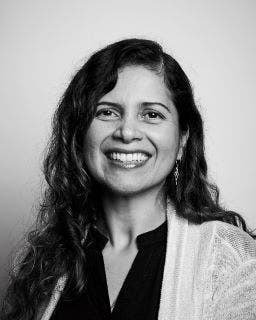
Dr Gloria Pino Escobar
Bilingualism & Multilingualism
Gloria Pino Escobar is a postdoctoral researcher specialising in early language learning and multilingualism. Her research encompasses language acquisition and processing and how individual linguistic experiences shape language, attention and cognitive outcomes across verbal and non-verbal domains. Using experimental and advanced statistical methods, she aims to advance evidence-based approaches to heritage language support, additional language learning, multilingual education and communication.
Email| LinkedIn | Google Scholar
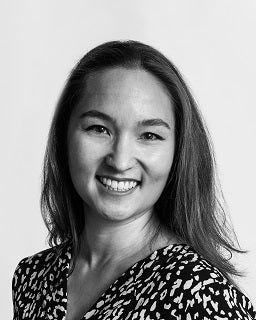
Dr Genevieve Quek
Face & Object Perception
Genevieve Quek is a senior research fellow in cognitive neuroscience whose work focuses on the neural basis of high level vision. Her research investigates how sensory information is processed and interpreted, with the goal of understanding how we interact with our visual environment. This work contributes to knowledge of brain mechanisms supporting visual perception, in particular, the temporal dynamics of face and object recognition.
Email| LinkedIn | Google Scholar
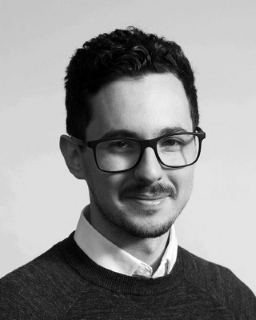
Dr Nicholas Owen Ralph
Neuromorphic Engineering
Nic Ralph is a Postdoctoral Research Fellow at ICNS, developing neuromorphic event-based vision sensors and gimballed optical instruments for space imaging, space situational awareness and Earth observation from small spacecraft. His work spans algorithm design, mechatronics, field deployment and computational modelling, supported through externally funded projects across the defence, space and aerospace sectors.
Email| LinkedIn | Google Scholar

Dr Mark Richards
Language Revitalisation
Mark Richards is a research fellow whose work focuses on Indigenous language revitalisation and community‑led research. He works closely with communities to support the teaching, learning and ongoing use of endangered Indigenous languages. Mark's research ethos emphasises community consultation and collaboration to harness cultural knowledge and co-design practical outcomes to strengthen language practices and ensure their sustainability.
Email| LinkedIn | Google Scholar
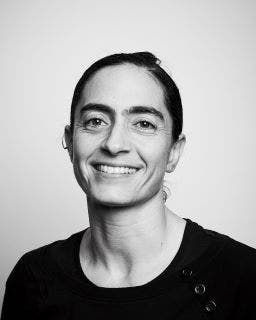
Dr Hannah Sarvasy
Language Documentation & Revitalisation
Hannah Sarvasy is a senior research fellow whose work focuses on linguistic diversity and language documentation. Her research examines how languages are structured and used, particularly in under‑described and minority language contexts. By working closely with language communities in PNG, Hannah contributes to preserving linguistic knowledge and supporting language maintenance.
Email | Google Scholar
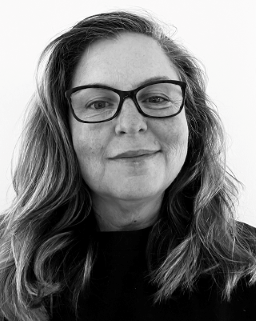
Ms Jasmine Seymour
Language Documentation & Revitalisation
Jasmine Seymour is a predoctoral research fellow whose work focuses on the Dharug language. Her research supports the documentation and revitalisation of Dharug through close engagement with community knowledge and cultural practice. By contributing to language research and learning resources, Jasmine's work helps support the ongoing resurgence of Dharug language and culture.
Email | Google Scholar
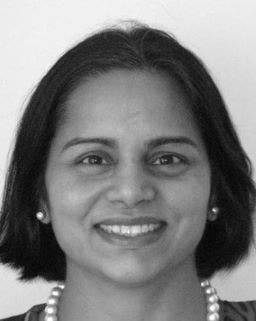
Dr Neeru Sharma
Workplace Technology
Neeru Sharma is a marketing researcher in the School of Business, examining how individuals and organisations interact with emerging technologies. Her work focuses on artificial intelligence, financial technologies and digital services, exploring their impact on consumer behaviour, wellbeing and financial literacy. Neeru investigates how businesses can design better products and experiences, with current projects addressing AI‑generated advertising, fintech and technology adoption.
Email| LinkedIn | Google Scholar
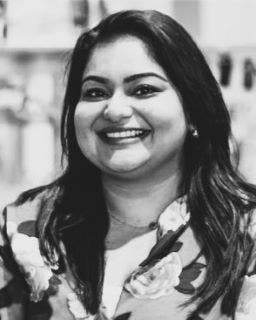
Dr Saniya Singh
Psychology
Saniya Singh is a Lecturer and Clinical Psychologist in the School of Psychology. Her research examines decision-making, uncertainty, and emotional processes in health and clinical contexts. She is interested in how individuals, families, and healthcare professionals navigate complex decisions under conditions of risk, ambiguity, and psychological distress. Her work spans health decision science, mental health, and clinical psychology, with a particular focus on risk perception, trust, tolerance of uncertainty, cultural influences on wellbeing, trauma, and personality functioning.
Email| LinkedIn | Google Scholar
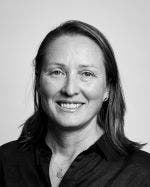
Dr Kylie Steel
Perception, Movement & Human Performance
Kylie Steel is a sport scientist in the School of Health Sciences, whose research examines how perceptual, cognitive and biological factors influence human movement and performance. Her work focuses on motor learning, visual perception and decision-making in dynamic environments, including sport and occupational settings. Kylie studies general and specific populations, including female and para-athletes, and occupational and non-traditional sport athletes (stunt performers, defense, extreme sports, acrobatics) to help improve their skill acquisition and performance.
Email| LinkedIn | Google Scholar
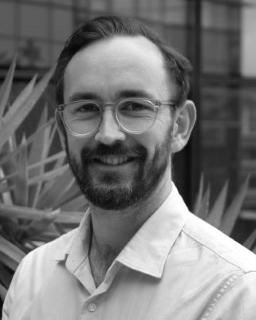
Dr Paul Strutt
Neuropsychology
Paul Strutt is a clinical neuropsychologist from the School of Psychology whose research examines cognitive function, assessment and decline across the lifespan. His work focuses on modifiable risk factors for dementia, including hearing loss and lifestyle interventions, as well as neuropsychological assessment in conditions such as ADHD and acquired brain injury, to improve diagnosis, prevention and cognitive health outcomes.
Email| LinkedIn | Google Scholar
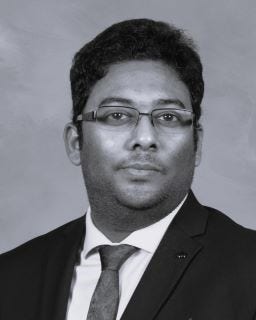
Dr Karthick Thiyagarajan
Robotics Engineering
Karthick Thiyagarajan is a robotics engineer from the School of Engineering, specialising in smart sensing and robotic perception for real-world environments. His research develops novel sensing technologies and unconventional sensors to enable advanced robotic autonomy and interaction. Karthick integrates his findings in sensing, machine learning and physical AI into applications in infrastructure monitoring, assistive technologies, manufacturing and environmental systems.
Email| LinkedIn | Google Scholar
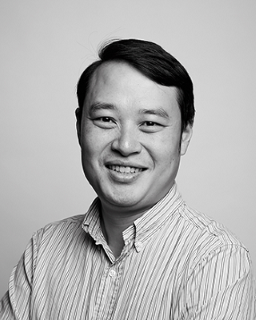
Dr Runchun Mark Wang
Neuromorphic Engineering
Runchun “Mark” Wang is a senior research lecturer at ICNS specialising in neuromorphic engineering and hardware acceleration for neural systems. His work focuses on FPGA, ASIC and mixed-signal VLSI design for brain-inspired computing platforms. Mark also leads hardware development for a Neuromorphic Imager for Space Situational Awareness and contributes open-source tools to the research community.
Email | Google Scholar
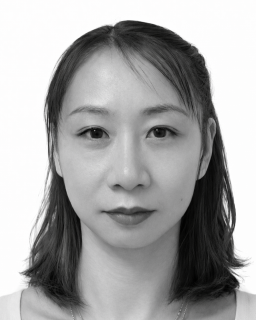
Dr Ying Xu
Auditory Neuromorphic Engineering
Ying Xu is a researcher in auditory neuromorphic engineering at ICNS whose work combines neuroscience, machine learning and event-based sensing technologies. Her research focuses on developing neuromorphic systems that process sound efficiently and in real time, with applications in intelligent sensing, acoustic monitoring and brain-inspired computing. She contributes to the design of advanced auditory perception technologies.
Email| LinkedIn | Google Scholar
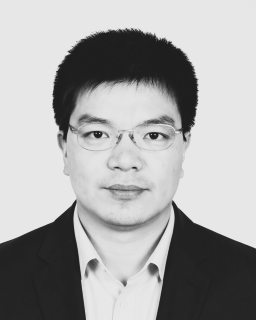
Dr Pen (Wenpeng) You
Cognitive Impairments
Pen (Wenpeng) You is a health researcher in the School of Nursing and Midwifery, specialising in dementia, cognitive ageing, and women’s health. His work focuses on the early detection of cognitive impairment and improving dementia care through workforce education and health systems research. He uses quantitative and epidemiological methods to examine population, clinical, and social factors influencing cognitive health and ageing outcomes.
Email | Google Scholar
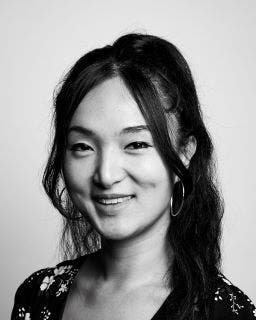
Dr Jenny Zeng
Developmental Cognitive Neuroscience
Jenny Zeng is a postdoctoral research fellow in developmental cognitive neuroscience. Her work uses infant-friendly neuroimaging methods — including tracking brain activity in naturalistic settings — to investigate how infants from diverse backgrounds acquire the complex rules of speech so efficiently. Beyond language, she studies the behavioural and neural foundations of how children understand objects and their relationships. By mapping how the brain builds intelligence in early development, she aims to better support diverse developmental paths.
Email | LinkedIn | Google Scholar

Dr Jerry Zhou
Translational Gastroenterology
Jerry Zhou is a clinical researcher from the School of Medicine specialising in gastrointestinal health and the gut–brain axis. His work focuses on developing and translating therapies for gut disorders, particularly through biofeedback and medical technologies that support muscle coordination and function. Jerry integrates clinical applications with engineering approaches to improve access to care, including home-based treatment solutions.
Email| LinkedIn | Google Scholar