News

ICNS to build brain-scale supercomputer
The world's first supercomputer capable of simulating networks at the scale of the human brain has been announced by researchers from the International Centre for Neuromorphic Systems (ICNS) at Western Sydney University.
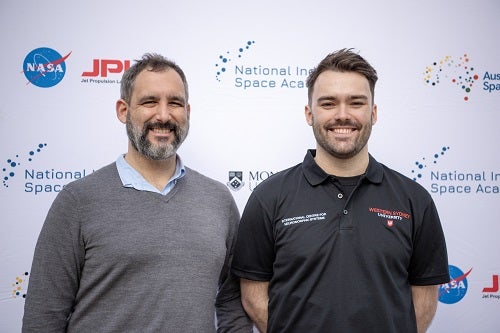
ICNS student selected for National Indigenous Space Academy program and NASA internship
PhD candidate and Palawa man, Ted Vanderfeen has been offered a once in a lifetime internship with NASA’s Jet Propulsion Laboratory after being selected for Monash University’s National Indigenous Space Academy (NISA), supported by the Australian Space Agency.

The growth of Neuromorphic Systems is seeing an expansion of research opportunities at ICNS
As the only dedicated neuromorphic lab in Australia, the International Centre for Neuromorphic Systems (ICNS) is experiencing significant growth. 10 research scholarships are now open to highly motivated PhD candidates in all its areas of Neuromorphic Engineering Research.
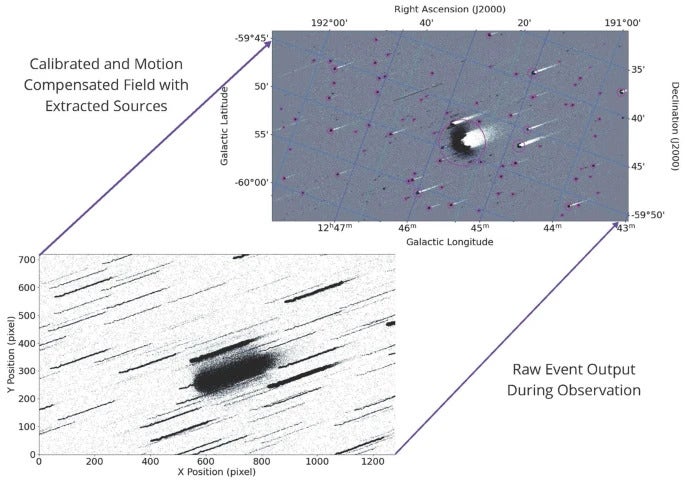
ICNS researchers outline calibration for neuromorphic event-based cameras for space imaging
Six researchers from the International Centre for Neuromorphic have collaborated on a paper recently published in the peer-reviewed international journal, Astrodynamics. The paper presents the techniques and systems used for calibrating an event-based camera (EBC) for reliable and accurate measurement acquisition.
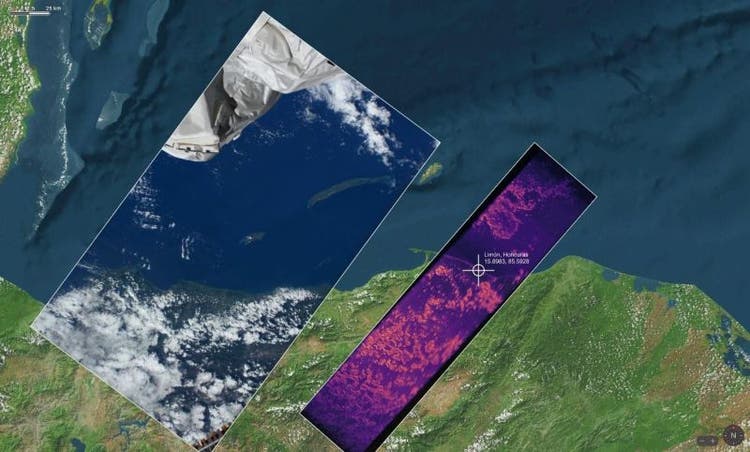
The first images taken from space with a neuromorphic event-based camera. The image demonstrates what one can do with a such a low resolution neuromorphic camera that uses the motion of the spacecraft for imaging.

The International Centre for Neuromorphic Systems (ICNS) is celebrating a special trip to the International Space Station on the NASA SpaceX Falcon 9 CRS-24 mission helping First Nations STEM ambassador ‘Jarli Jones’ achieve her dream of reaching the stars.
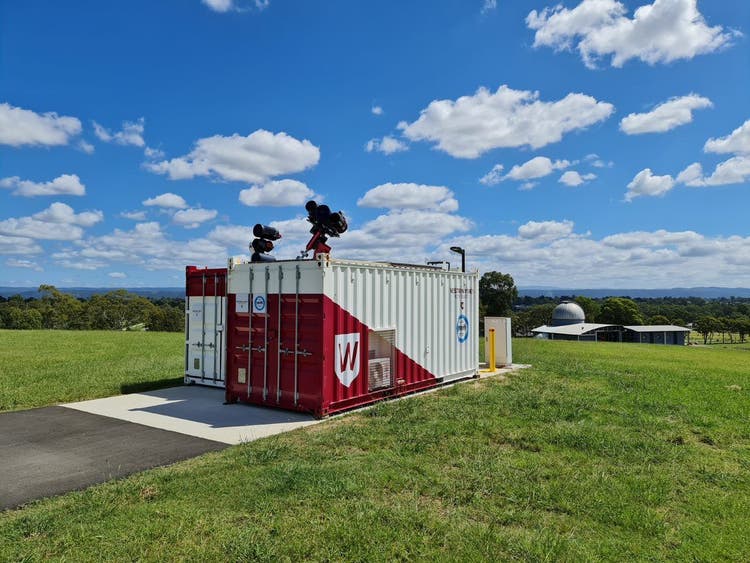
ICNS Joins Catalyst Accelerator
The opportunity to work with international allies and industry partners further cements ICNS and the Astrosite team as world leaders in neuromorphic engineering and research expertise.

Why We Built a Neuromorphic Robot to Play Foosball
Why are we so interested in learning biology’s computational and sensing secrets? Frankly, it’s because they are so superior to today’s computing technology, which seems to be fast reaching its limits.

The International Centre for Neuromorphic Systems (ICNS) are excited to announce they have teamed up with Intel to build a world-first brain-scale neuromorphic computer, using reconfigurable hardware and open-source software, to learn more about how the brain works and how to build better AI.
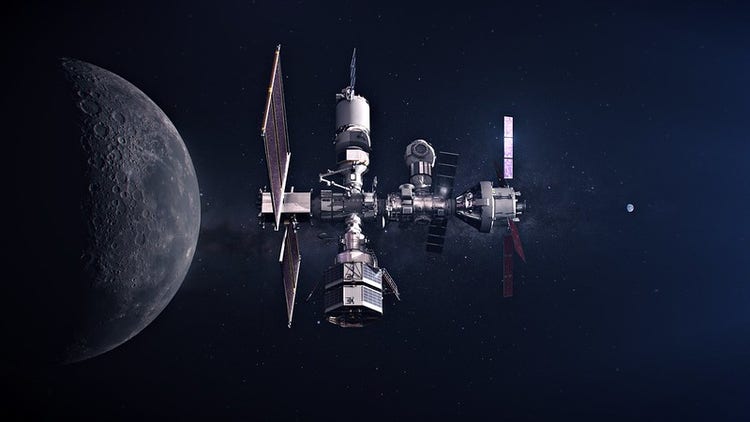
ICNS - Moon to Mars Initiative Grant
Western Sydney University’s International Centre for Neuromorphic Systems (ICNS) have been recognised across the Defence Connect network for successfully securing grant funding from the Australian Government’s Moon to Mars initiative. This funding will help develop new Australian technologies

Biology-Inspired Cameras on the International Space Station
The first neuromorphic devices to reach space are a technology test case. They will record ‘space lightning’.
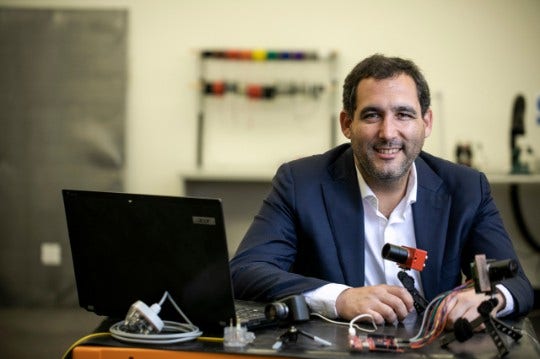
Biologically-inspired cameras can track satellites that even the best optical telescope cannot, thanks to Western Sydney University’s revolutionary, world-first approach to space imaging.
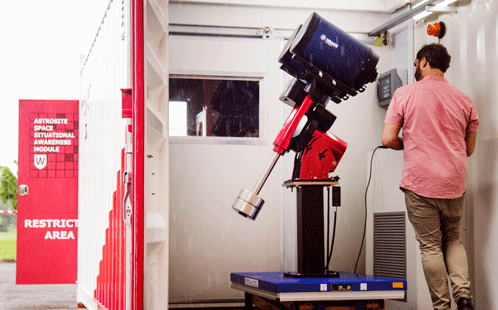
World-first technology to revolutionise space imaging
A revolutionary and world-first approach to space imaging led by Western Sydney University’s International Centre for Neuromorphic Systems (ICNS).