Guidebook: Youth Engagement in Health Research
There is growing evidence that health research on issues affecting young people is better when young people are engaged across all research phases: from agenda-setting to translation into policy and service design and delivery. We have developed a suite of resources to guide and support researchers in engaging and collaborating with young people. Regardless of what phase of research you are in, these resources provide simple and practical steps which can help you engage with young people in ways that are respectful, meaningful and inclusive.
How to use these resources
Start by reading the Introduction in the Guidebook to understand why youth engagement in health research matters, and how supporting youth participation can benefit the research process and outcomes. From there, you can pick the different Guidebook sections relevant to your research. These are structured around a three-step implementation model: prepare, connect, and reflect. You will find within these sections further links to articles, background information, case studies, tools, templates, tips and checklists which will step you through practical considerations.
The Guidebook
|
|
|
|
|
|
|
|
|
|
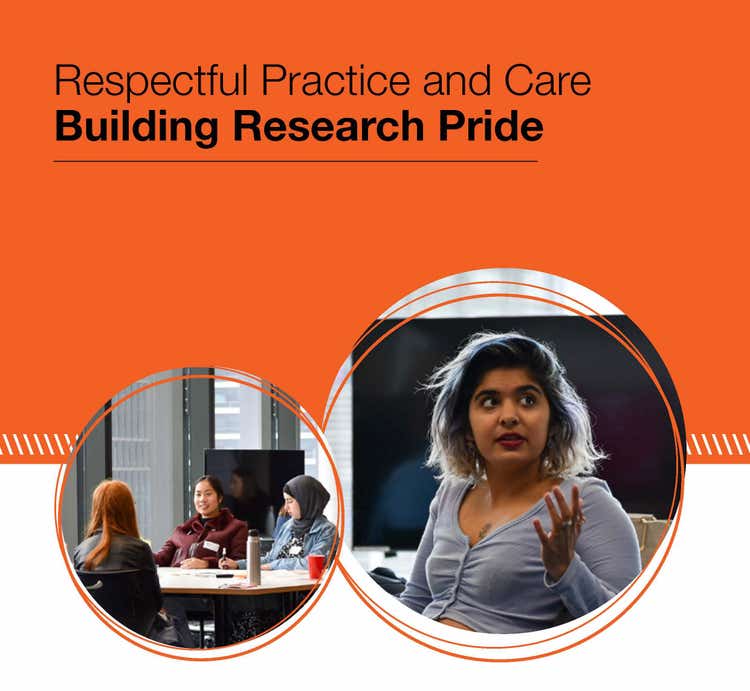
Respectful Practice Cards
|
|
|
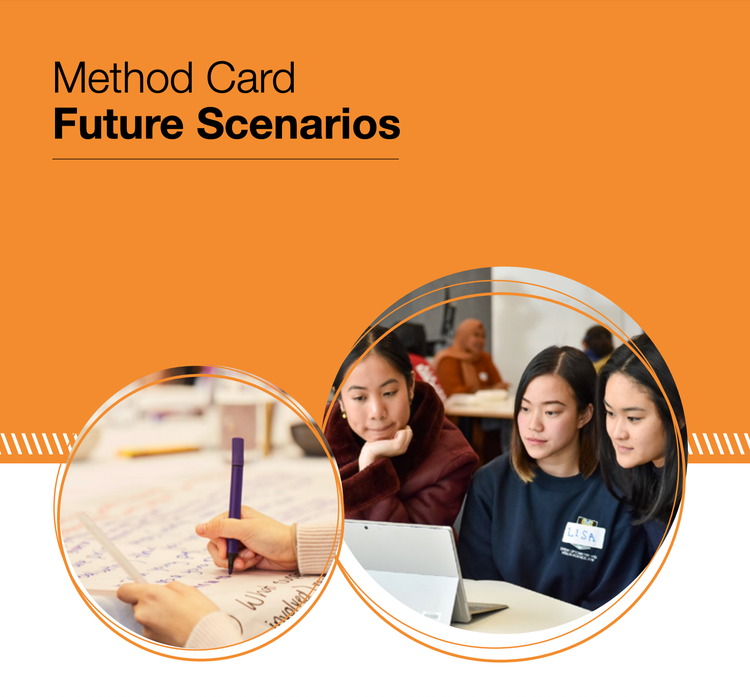
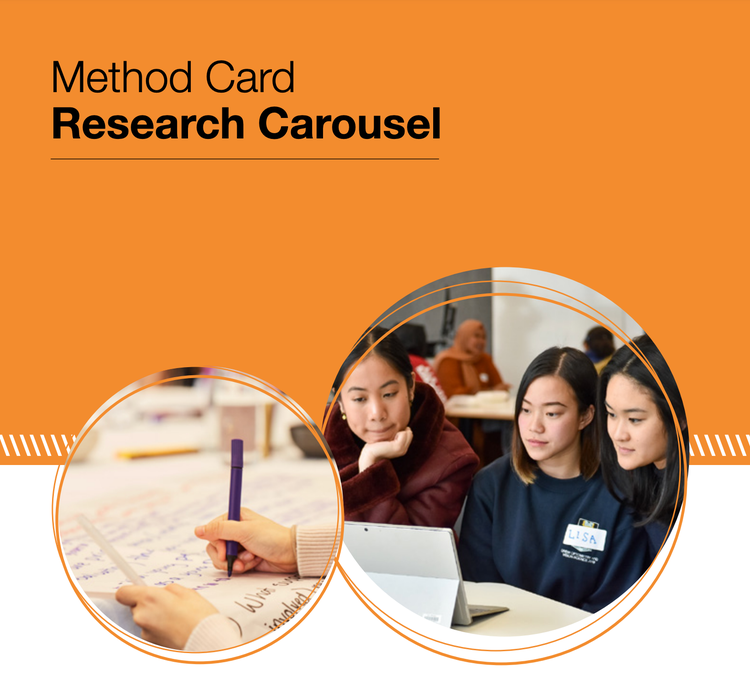
Method Cards
|
|
Accompanying Resources
Case Studies
- Case Study: Youth-led Advocacy for Respectful and Inclusive Health Research.
- Guiding and Co-Researching Youth-Centred Indicators of Health.
- Case study: Co-Researching Young People’s Priorities – the ‘Youth Health Matters’ project.
Checklists
- Safeguarding Young People.
- Roles and Responsibilities.
- Recruiting Young People.
- Project Meetings.
- Key Considerations for Delivering Research Activities.
- Induction.
- Getting Started.
Mini Guide
- Youth Advisory Groups.
- Scenario planning: A method for exploring health care futures with young people.
Templates
- Terms of Reference.
- Role Description.
- Induction Presentation.
- Feedback Form.
- Certificate of Appreciation.
- Letter of Thanks & Impact.