INNOVATIVE METHODS
We design rigorous, youth-centred methods that engage children and young people as active contributors to research, rather than just passive participants. Together with traditional qualitative and quantitative methods, such as surveys, focus groups and interviews, we develop creative, participatory and digital approaches to research life in a complex world.
Our innovative methods are shaped by child rights and strengths-based approaches. We aim to centre children’s and young people’s expertise, and create spaces for them to share their perspectives and opinions on matters that are important to them. Our approach is inclusive – we strive to understand the diversity and complexity of young people’s lived experiences, and ensure those who are regularly excluded have opportunities to have their voices heard and acted on. The result is richer evidence to inform policies, programs and services that affect young people and their communities.
Our methods can be adapted to different research questions, settings and groups of young people. Explore some of the approaches we use below.
Distributed Data Generation
Our distributed data generation (DDG) methodology allows us to hear children’s and young people’s experiences all over the world, at the same time. We work remotely with local partner organisations, training them to use our creative and participatory methods with children and young people in their contexts. This allows us to build large, locally grounded international datasets efficiently and extend the reach and impact of our research.
Sample Projects:
- Decolonising Digital Design: Toward Safe and Inclusive Digital Experiences for Children and Young People
- Protecting Children from Online Grooming
- Responsible Innovation in Technology for Children: digital technology, play and child wellbeing
- General Comment on Children in Relation to the Digital Environment: Children’s Consultations
- UNICEF State of the World’s Children Companion Report: 2019
Creative, participatory and play-based methods
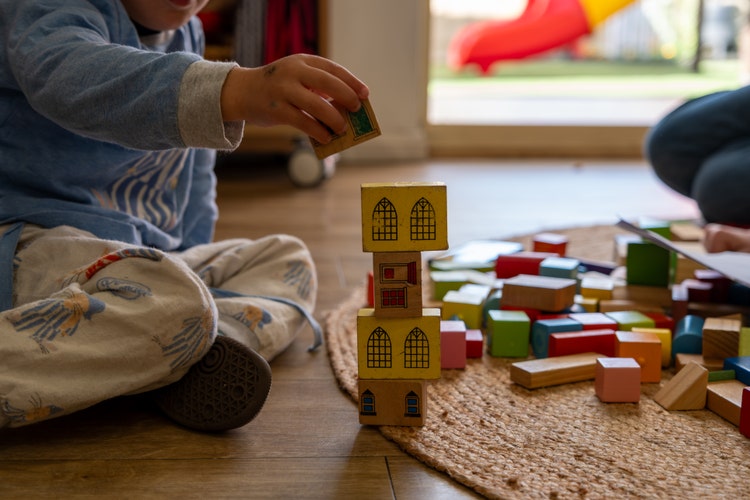
We use creative activities, storytelling, visual methods and play to open up new ways of communicating and researching with children and young people. These flexible approaches enable people of all ages to express their experiences, ideas and priorities in ways that feel accessible and meaningful to them, revealing insights that conventional methods may not capture.
Sample Projects:
- State of Australia’s Children: Children’s Consultations
- New Possibilities: Student Climate Action and Democratic Renewal
- The Digital Experiences of Australian Youth: Youth and AI
Living Labs
Our living lab approach combines research with intergenerational and participatory design processes to co-design, test, and refine ideas in real-life settings. Rather than researching people from a distance, it brings researchers, young people, communities and other partners together throughout the process so that resulting policies, programs, services or products respond directly to their lived experiences.
Sample Projects:
- Mount Druitt Working for Children Living Lab
- Online Safety in the Pacific: A Living Lab
- Intergener8 Living Lab: Foundation Project
Co-research and co-design
We work alongside children, young people and partners as collaborators throughout the research process. From defining the problem and developing methods to interpreting findings and creating solutions, we combine lived experience with research expertise to produce relevant, useful and inclusive outputs and outcomes.
Sample Projects:
- From Participation to Accountability in Healthcare for Young People
- The Power of Recognising More in Education: Youth Perspectives for Systems Change
- In Real Life: Digital ethics and participation, reimagined by and for young people
- Office of the eSafety Commissioner: Youth Engagement Strategy
- International Telecommunications Union Children Online Safety Taskforce
Child-centred indicators
We work with children and young people to identify what matters most to them and turn those priorities into measures of change. These indicators help us track experiences and outcomes over time using definitions of progress grounded in young people’s own perspectives and experiences, so organisations can better support their needs, rights and aspirations.
Sample Projects:
Digital methods
We develop and use digital tools such as emotion mapping apps, online consultations, digital tracking apps and interactive platforms to reach people wherever they are. We adapt these methods to be safe, accessible and engaging, enabling children, young people and those who support them to contribute timely, detailed evidence for research and decision-making.
Sample Projects:
- MAPIMO
- Youth Voices in AI
Co-Research Toolbox
We are committed to sharing our participatory tools and techniques with our partners. Visit our Co-Research Toolbox for practical, freely accessible resources to help facilitate children’s and young people’s participation.