Western Sydney University recognised as a global leader for community impact, top three in the world
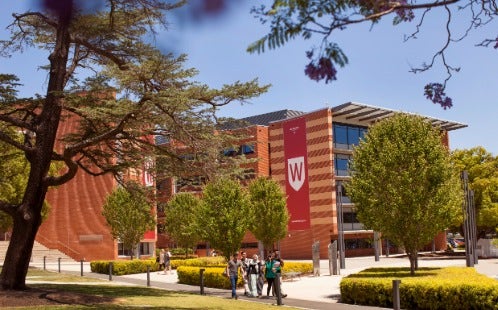
Western Sydney University has placed third in the world reinforcing its ongoing dedication to driving positive community impact.
The University was one of just two Australian universities to place in the top 10, and the only one from New South Wales.
The prestigious Times Higher Education Sustainability Impact Ratings measure more than 1,600 universities around the world on their actions to protect the planet for future generations, reduce inequalities, deliver quality education, and ultimately make the world a better place for all.
Vice-Chancellor and President, Distinguished Professor George Williams AO said today’s results once again reflect Western’s global standing and ongoing commitment to delivering for the regions we serve.
“As a young, diverse and dynamic institution anchored in one of Australia’s fastest-growing outer-metropolitan regions, we are extremely proud to have played a pivotal role in the growth and significance of these ratings in recent years,” said Professor Williams.
“These ratings are important because they assess universities on their real-world actions to foster equity and inclusivity and a meaningful difference to people’s lives.”
Western is proud of its legacy in the ratings, previously taking out the coveted and highly contested top spot for an unprecedented four years in a row. This year, the University is privileged to again claim a place on the podium, coming in third in the world.
“By raising the bar, we are now seeing more universities, not just here in Australia but around the world, driving meaningful community impact and sustainability efforts,’’ said Professor Williams.
The University’s responsibility to delivering positive social impact is shaped by the diversity of the region we serve. Western Sydney is home to Australia’s largest urban Indigenous population and people from all over the world, with more than 170 languages spoken here. Two-thirds of the University’s students are the first in their families to attend university.
Advancing the 17 United Nations Sustainable Development Goals (SDGs) is embedded in the University’s teaching, research and operations. This commitment is underpinned by its mission to ensure student success, deliver impactful research, and strengthen communities in western Sydney and beyond, including at its offshore locations in Vietnam and Indonesia.
The globally recognised annual ratings, previously known as the Times Higher Education (THE) Impact Rankings, were relaunched and renamed this year as the Times Higher Education Sustainability Impact Ratings.
The ratings assess what universities are doing to deliver on the SDGs including climate action, gender equality, ending poverty, providing affordable and clean energy, reducing inequality, industry innovation and producing sustainable cities and communities. Universities are rated on their research, teaching, campus operations, policies, community engagement and outreach.
Deputy Vice-Chancellor Research and Innovation, Professor Ian Anderson said Western’s strong showing highlights how deeply the SDGs have become embedded in the University’s teaching, research and operations.
“Advancing sustainability and resilience is deeply rooted in our education, research and university initiatives. We aren’t just aligned to the SDGs; it is our way of life. Our results today are a reflection of the hard work and dedication of our staff and underpins Western’s mission to ensure student success, deliver impactful research, and strengthen communities in Western Sydney and beyond,” said Professor Anderson.
As well as the placing third in the world overall, the University was rated highly in the following categories:
- 2nd in the world for SDG 10 Reducing Inequalities
- 3rd in the world for SDG 15 Life on Land
- 4th in the world for SDG 13 Climate Action
- 7th in the world for SDG 12 Responsible Consumption and Production
The University also improved its placing for SDG 1 No Poverty, SDG 2 Zero Hunger, SDG 4 Quality Education and SDG 9 Industry, Innovation and Infrastructure.
Last week Western Sydney University achieved its best ever results in two other influential university rankings. Western rose 23 places to 242 in the US News & World Report Best Global Universities Rankings. It also jumped 30 places to land at 370 in the QS Quacquarelli Symonds World University Rankings.
Our Impact
Advancing equity in Western Sydney
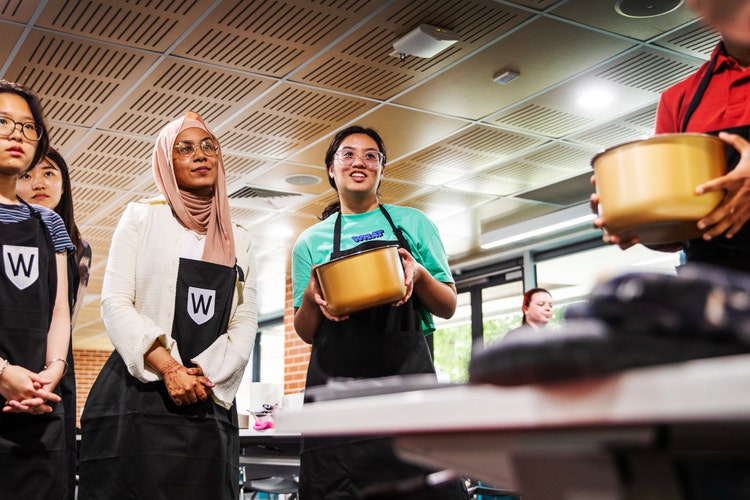
Western Sydney University is anchored in one of Australia’s fastest growing and most diverse regions, home to Australia’s largest urban Indigenous population and people from all over the world, many of whom are refugees.
More than 170 languages are spoken across the region, and two-thirds of our students are the first in their families to attend university. Many balance study and work alongside family commitments, bringing lived experience that shapes the University’s commitment to equity and inclusion.
Addressing student food insecurity through practical, community-focused initiatives is a priority. The Western Pantry provides students with free access to fresh produce, pantry staples and hygiene items, helping to reduce immediate financial pressure and improve wellbeing. The initiative is complemented by community meals and free cooking classes that build students’ practical skills in preparing affordable meals, strengthening food literacy and budget management while also supporting wellbeing and community connection. More than 5,600 students have accessed Western Pantry this semester, and we are on track to support over 10,000 visits to the pantries in 2026.
Western Sydney University is also recognised nationally for its commitment to gender equity and inclusion. The University has been awarded its fourth and fifth SAGE Athena Swan Cygnet Award, marking an important milestone in the University’s long-term commitment to equity, diversity and inclusion. The fourth Cygnet recognises achievements in ensuring gender equity in the University’s COVID-19 response, while the fifth acknowledges work undertaken to better understand and support parents and carers at Western.
The University continues to respond to the rise in global conflict and displacement by offering a personalised entry point to the University and higher education, known as the People Fleeing Conflict Program to support people seeking refuge in Australia.
Research also plays an important role in addressing inequality across the region. A study from our Centre for Western Sydney has found the lack of accessibility and affordability of childcare has made most of Western Sydney a care ‘desert’, which impacts on parents’ ability to fully participate in the workforce, while researchers from the School of Nursing and Midwifery led Australia’s first study into obstetric violence, helping inform the NSW Parliamentary Inquiry into Birth Trauma.
Driving sustainable operations and circular solutions
Western Sydney University is embedding sustainability across its teaching, research, campus operations and community engagement. Through its Sustainability and Resilience 2030 strategy, the University has committed to more than 50 long-term actions that support a more resilient, sustainable and prosperous future.
Across our Western Sydney campuses, our electricity continues to be 100 per cent renewably sourced, while the University is certified carbon neutral for business operations by Climate Active. By 2029, we strive to become climate and nature-positive.
Since 2024, electric vehicle (EV) chargers with solar carparks have been installed across four campuses including Hawkesbury, Kingswood, Campbelltown and Parramatta South, with fast-charge units accessible for all staff and students using EVs, and increasing our total solar generation.
We are also proud to be utilising innovative waste management practices. For example, our Teaching and Research Technical Services – Advanced Manufacturing team have diverted an estimated 50 kilograms of single-use plastic waste from landfill and turned it into other products and prototypes.
Water conservation forms another important part of Western’s sustainability approach. Recycled water and harvested stormwater are used extensively on Western’s Hawkesbury campus for a range of uses, along with rainwater being used for toilet flushing and irrigation in some of the buildings in Penrith, Parramatta, and Campbelltown campuses.
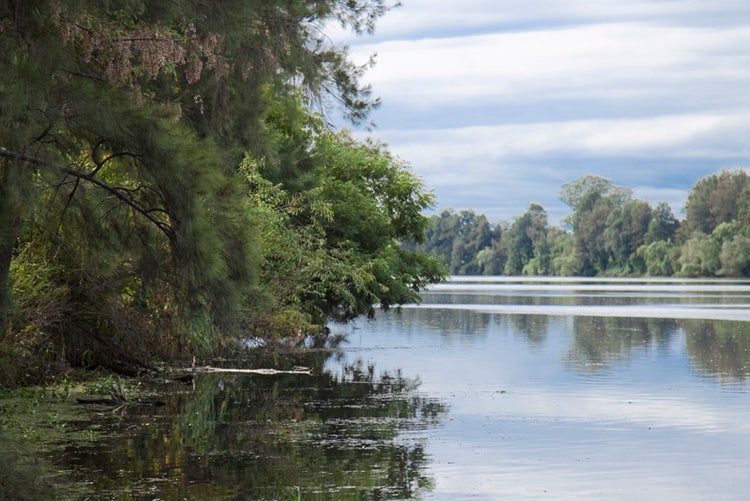
Our researchers are engaged in projects protecting and restoring water-related ecosystems including rivers, lakes and waterways. Funded by the Australian Government’s Urban Rivers and Catchments program, Western Sydney University in collaboration with the Hawkesbury-Nepean Waterkeeper Alliance, is working to protect our urban platypus populations.
Building heat-resilient communities
Western Sydney is already experiencing one of the most severe urban heat island effects in Australia. During heatwaves temperatures can reach up to 8–10°C higher than Sydney’s eastern suburbs, and the region currently experiences an average of 15.4 days per year above 35°C.
As climate change and urban heat intensifies, projections suggest the region could face up to 46 days a year above 35°C by 2090. These conditions present significant challenges for health, infrastructure, productivity and community wellbeing.
Western Sydney University researchers are addressing both the causes and consequences of urban heat through interdisciplinary research and place-based solutions. Projects such as Living with Urban Heat are co-developing practical cooling strategies with socially diverse communities in public housing, while research into sustainability bonds is exploring new ways to finance large-scale urban greening. Other initiatives are strengthening the resilience of green infrastructure to heat, flooding and fire, supporting long-term liveability.
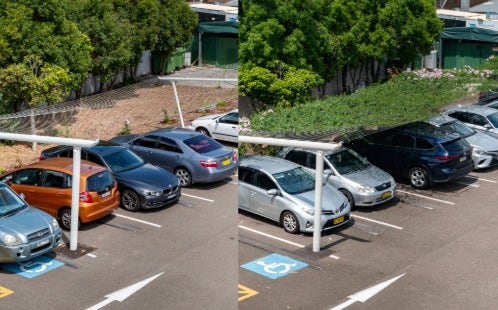
Western researchers are also developing practical solutions to help communities adapt to rising temperatures. In partnership with Cumberland City Council and industry, researchers designed and tested the Cool Roof System, a nature-based cooling structure that uses fast-growing vines on a trellis system to create shade in exposed urban environments.
Trialled at a commuter carpark in Wentworthville, the system reduced surface temperatures by up to 35°C, lowered UV radiation by up to 80 per cent and improved thermal comfort by as much as 10°C. The structure generated more than 100 square metres of shade in less than two years, providing a faster alternative to traditional tree canopy establishment.
The project demonstrates how low-cost, scalable solutions can help reduce urban heat, improve public comfort and strengthen climate resilience in rapidly growing communities across Western Sydney and beyond.
Protecting biodiversity and restoring ecosystems
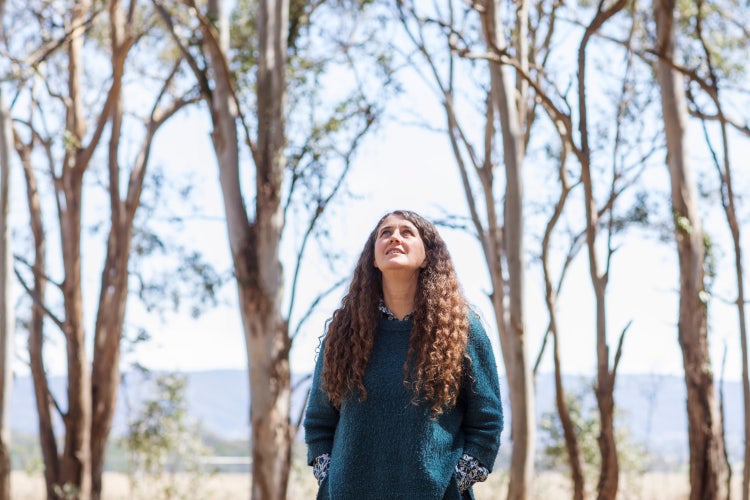
Western Sydney University is committed to protecting, restoring and promoting the sustainable use of terrestrial ecosystems, through sustainably managing forests, combating desertification, and halting and reversing land degradation and biodiversity loss.
A key example is the restoration work taking place at Hawkesbury campus, where 15,000 new trees have also been planted at Hawkesbury in partnership with Greater Sydney Landcare, with a focus on restoring nature.
The University’s research is also contributing to a broader understanding of ecosystem change across Australia. A major study led by the Hawkesbury Institute for the Environment found that forests nationwide are experiencing accelerating rates of tree loss, highlighting the growing impacts of climate change on natural systems.
Drawing on 83 years of records from more than 2,700 forest plots, the study provides critical evidence to inform conservation efforts and support the long-term health and resilience of Australia’s forests.
Western researchers from the School of Science are also helping protect vulnerable species through projects such as Bogong Watch, one of Australia’s largest insect-tracking studies. The project is tagging up to 10,000 Bogong moths and engaging citizen scientists across south-eastern Australia to better understand the migration patterns of this Endangered species and support its long-term conservation.
ENDS.
24 June 2026
Photo credit: Sally Tsoutas
Media Unit