Western Sydney University expedition to tag 10,000 Bogong moths seeks volunteers across South-Eastern Australia
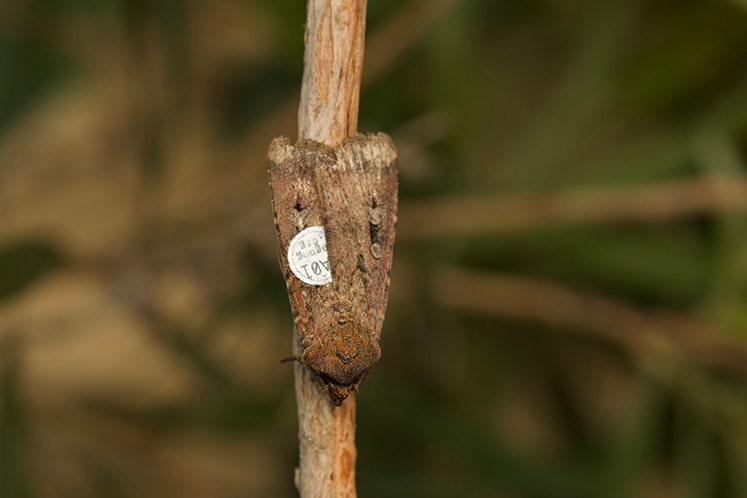
Western Sydney University researchers are heading to Mount Kosciuszko to tag up to 10,000 Bogong moths in one of the most ambitious insect tracking projects ever undertaken in Australia. The project aims to uncover where these iconic moths travel after leaving the alpine caves they call home each summer – and the University is inviting community members from the Snowy Mountains region to take part in tracking their journey.
From 23 February, a team of researchers will spend two weeks at Charlotte Pass in the Snowy Mountains, working from dusk until dawn. Hundreds of thousands of Bogong moths emerge from the alpine caves at sunset in a spectacular natural phenomenon. Each night, moths will be drawn to specialised light traps, then tagged and released the next day. The meticulous, entirely manual process aims to mark up to 1,000 moths per day, helping researchers track a species whose massive migration remains largely unknown.
This year, the expedition team is sharing the research experience with citizen scientists across south-eastern Australia. Volunteers can host specialised “bug lanterns” in their gardens or local green spaces from March to May 2026. They watch for moths carrying tiny numbered tags, release the moths to continue their journey and report sightings back to the project.
The project, called Bogong Watch, is particularly seeking volunteers from towns near the Snowy Mountains, including Jindabyne, Canberra, Yass, Murrumbateman, Tumut, Khancoban, Gundagai, Adelong, Batlow, Talbingo, Tumbarumba, Wagga Wagga, Albury/Wodonga, Corryong, Beechworth, Myrtleford, Omeo, Bairnsdale, Mansfield, Corrowong, Bungarby, Ingebriah, Dalgety, Nimmitabel, Bombala, Bungendore, Braidwood, Cooma and Crookwell.
Participants in Bogong Watch will be loaned equipment, and be provided with training, and ongoing support. No previous experience with insects or wildlife monitoring is required.
The project is led by Associate Professor Kate Umbers from the University’s School of Science, as part of her Australian Research Council (ARC) Mid-Career Industry Fellowship, in partnership with Invertebrates Australia, Zoos Victoria and Lund University, to research and help conserve the moths.
"We have limited knowledge about where Bogong moths go as they move through Australia on their epic migration, which makes it very difficult to remove threats and ensure they continue to complete their travels and breed,” said Associate Professor Umbers.
“Tagging them in the field is just the start. Community observations are the only way we could hope to see the vast majority of these tagged moths again – no research group or budget could possibly cover the massive area we need to search all at once. People willing to host a bug lantern will be crucial, true collaborators, in helping us understand their migratory directions.”
Associate Professor Umbers explained that Bogong moths, an Endangered species on the IUCN Red List and culturally significant to First Nations peoples, have faced dramatic population declines in recent years, including due to climate change.
“Understanding their migration patterns and breeding locations is essential for conservation efforts for the moths and all the critters in the alps that depend on their arrival.”
Community members interested in participating, or contributing stories about Bogong moths, can express their interest at www.bogong.org.
ENDS.
18 February 2026
Photo credit: Seb Judkins
Ali Sardyga, Senior Media and PR Advisor