Australian Media Literacy
Research Symposium
This event was hosted Tuesday April 13 2021 in Sydney, Brisbane and Canberra.
Watch recordings of this event.
Keynote Presentations
‘Civic Media Literacies: Pursuing equitable and just civic futures in a time of rampant media cynicism’, Associate Professor Paul Mihailidis, Emerson College, Boston
Missing: Young People in Australian News Media, Izzy Tolhurst, Foundation For Young Australians (FYA)
Panel events
Sydney: ‘Using media literacy to confront the impact of disinformation on our democracy’
Canberra: ‘News, misinformation and media literacy’
Brisbane: ‘Media Literacy’s many tasks – promoting critical engagement with digital platforms’
Our lives are now so saturated with information and media that the ability to use media effectively is a pre-requisite for full participation in society.
Media literacy refers to people’s ability to critically engage with information and media in all aspects of their life. At the heart of this critical engagement is the ability to critique media and information as well as media technologies and business models. This includes knowing the way these produce, challenge and subvert relationships, representations and power.
This Symposium event was help to build momentum and support collaboration to ensure that media literacy research can inform policy and practice at a time when media literacy is now on the Australia policy agenda.
The event speakers discussed how media literacy research can help to address key challenges we face in Australian society including the widespread online circulation of misinformation, social and racial inequality, and a lack of trust in our democratic systems.
Symposium organisers:
- Dr Tanya Notley, Institute for Culture and Society, Western Sydney University
- Professor Sora Park, News and Media Research Center, University of Canberra
- Professor Michael Dezuanni, Digital Media Research Center, Queensland University of Technology
Program Schedule
International Keynote Speaker, Associate Professor Paul Mihailidis (Live streamed in Brisbane/Sydney/Canberra)
‘Civic Media Literacies: Pursuing equitable and just civic futures in a time of rampant media cynicism’
Panel events in Brisbane/Sydney Canberra
Sydney: ‘Using media literacy to confront the impact of disinformation on our democracy’
Canberra: ‘News, misinformation and media literacy’
Brisbane: ‘Media Literacy’s many tasks – promoting critical engagement with digital platforms’
‘Media Literacy in Australia’ Report Launch
Sydney: Opening remarks by Dr Andy Marks, Assistant Vice Chancellor, Western Sydney University
Canberra: Opening remarks by Professor Leigh Sullivan, Deputy Vice Chancellor of Research & Innovation, University of Canberra
Brisbane: Opening remarks by Professor Patrik Wikstrom, Director of the Digital Media Research Centre, QUT
Program Detail
11.00 – 12.00: International Keynote, Associate Professor Paul Mihailidis, Emerson College, United States
Civic Media Literacies: Pursuing equitable and just civic futures in a time of rampant media cynicism
Around the world today, societies are increasingly navigating fractured media ecosystems. As we increasingly rely on information and communication from platforms that conflate fact with fiction, and prioritise sensational information over that which is credible and complex, we struggle with increased distrust of and cynicism towards our public institutions, not least of all media institutions. As media technologies continue to develop at ever rapid paces, providing people with the skills and dispositions to navigate these environments is a civic and democratic necessity. It is also a public health priority. This keynote talk will introduce civic media literacies as a pathway forward to help people better navigate abundant information ecosystems and advocate for community priorities. Civic media literacies, I argue, also provide a frame within which to prioritise equity and social justice initiatives with and through media infrastructures.
Paul Mihailidis is an associate professor of civic media and journalism and assistant dean in the school of communication at Emerson College in Boston, MA, where he teaches media literacy, civic media, and community activism. He is founding program director of the MA in Media Design, Senior Fellow of the Emerson Engagement Lab, and faculty chair and director of the Salzburg Academy on Media and Global Change. His work has been featured in the New York Times, the Washington Post, Newsweek, CNN, and others. Paul has published 7 books and over 50 articles on the intersection of media literacy, civic media and participation in digital culture. His most recent book, Civic Media Literacies: Re-Imagining Human Connection in an Age of Digital Abundance (Routledge 2018) explores the ways in which media literacy interventions can prioritise civic impact. Paul has won numerous faculty awards at Emerson College and the Researcher of the Year award by the National Association of Media Literacy Education. He sits on numerous Editorial Boards, and the advisory board for iCivics and the Engagement Lab.
Media Literacy in Australia Report Launch
In November and December 2020 we surveyed a sample of 3,510 adult Australians to understand the different types of media they use, the value they place on different media activities, their confidence in their own media abilities and their access to media literacy support. The findings show that most Australians use several different types of media each day, they believe a diverse range of media activities are important in their life, but their confidence in their own media abilities is unexpectedly low. We also find that far too many Australians don’t have access to any media literacy support when they need it. The findings demonstrate that if we accept that media is integral to all aspects of our lives, far more needs to be done to address the needs of groups who are the least confident about their media abilities and who have access to the least support. The findings also show that increasing media literacy can yield direct benefits for increasing people’s civic engagement. This presentation of our key findings will be delivered by Professor Sora Park in Canberra, Dr Tanya Notley in Sydney and Professor Michael Dezuanni in Brisbane.
12.30 – 2.00: Panel events in Brisbane/Sydney Canberra
Sydney Event: Western Sydney University Parramatta City Campus
Panel: Using media literacy to confront the impact of disinformation on our democracy
In Australia, the Covid-19 pandemic has demonstrated that mis- and disinformation contribute to racist actions and behaviours, illegal and dangerous activities and to poor health decisions. More broadly, mis- and disinformation diminish the ability of citizens to make timely and informed decisions, while exacerbating mistrust in news media and public institutions. Around the world a range of strategic responses have been proposed to address the problem of mis- and disinformation and one of these responses focuses on increasing people’s media literacy. However, too little is known about how effective media literacy is in preparing people to recognise, avoid and counter mis- and disinformation across a range of topics, contexts, and sociotechnical environments. This panel will share their own research and experiences to inform a public discussion about the role media literacy interventions can play in confronting the problem of mis- and disinformation.
Facilitator: Prof James Avanatarkis
- The online ecosystem that supports misinformation (Ariel Bogle, journalist and analyst at The Australian Strategic Policy Institute’s Cyber Center)
- Understanding misinformation and deconstructing racism around COVID-19 in Australian opinion media ( Deliana lacoban, All Together Now)
- Digital threats to democracy (Chris Cooper, Reset Australia)
- Is Wikipedia the antidote to disinformation? (Heather Ford, University of Technology Sydney)
- The inclusion and representation of young people in the Australian news media (Isabelle Tolhurst, Foundation for Young Australians)
Canberra Event: Theatrette, National Film & Sound Archive
Panel: News, misinformation and media literacy
Much of the attention in relation to media literacy education in Australia has been focused on school-aged children. The media literacy needs of adults and disadvantaged sections of the community have only just started to generate interest in academia and policy discourse. However, educating the general public is not an easy task. This panel will discuss their experiences in media literacy education and research to consider the role of social infrastructures in educating the public in media literacy, focusing primarily on interventions in misinformation. The panel will explore how a networked approach can tackle the issue of media literacy among adults, where collaboration is encouraged, and existing networks are utilised to deliver successful community-based programs.
Opening address: Nancy Eyers, Acting CEO National Film and Sound Archives
Facilitator: Kerry McCalum, Director, News & Media Research Centre
- Pulling Together – The need for an Australian Media & Information Literacy Network (Caroline Fisher, University of Canberra)
- How teaching journalism skills can boost media literacy (Saffron Howden)
- AAP FactCheck – Fighting fakes and misinformation (Peter Bodkin, Australian Associated Press)
- Fact and fiction – trust us, we know the difference (Sue McKerracher, Australian Library and Information Association)
Brisbane Event: Queensland University of Technology – Kelvin Grove Campus
Panel: Media Literacy’s many tasks – promoting critical engagement with digital platforms.
In recent times, media literacy education has been called upon to respond to a range of complex social and cultural problems. In the aftermath of the storming of the United States Capitol, some media literacy advocates called for an expansion of media literacy in schools and in the community, while others cautioned that media literacy cannot operate in isolation from digital platforms and policy reform. In Australia, disinformation has been prolific in response to disasters like COVID-19, and the Summer 2019/2020 bushfires. Meanwhile, the availability of an ever increasing number of digital platforms continually seems to expand media literacy’s focus and the need for educators to expand their knowledge and skill set – whether this be about new platforms like Tik Tok, or dominant visual platforms like Instagram. This panel will canvass Media Literacy education’s many tasks and the panellists will provide insights about their own research and experiences to inform a public discussion about the role of media literacy interventions in these complex times.
Facilitator: Professor Michael Dezuanni, Program Leader, Digital Inclusion and Participation, Digital Media Research Centre, QUT.
- Media literacy after dark: how hyperpartisans pervert critical engagement (Axel Bruns, Queensland University of Technology)
- The state of play of media literacy education in Australian Schools (Moneth Montemayor, Australians Teachers of Media).
- Using critical frameworks for thinking about Tik Tok (Aleesha Rodriguez)
- First Draft’s vaccine misinformation Hub and Dashboard for media literacy (Anne Kruger, First Draft News)
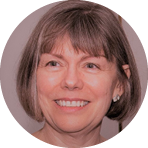
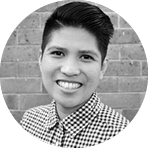
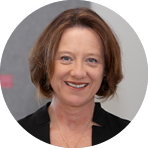
The Speakers






Event Organisers



Funding and Support
This event is part of the Media Literacy in Australia research project, which is administered by Western Sydney University. Initial support for this research project was made possible through a grant from Facebook received by the National Association for Media Literacy Education (NAMLE), a partner on the project.
Event locations
|
SYDNEY Level 9, Parramatta City Campus Western Sydney University 169 Macquarie St, Parramatta NSW 2150 |
BRISBANE Level 5, X Block Queensland University of Technology 88 Musk Avenue Kelvin Grove, 4059 |
CANBERRA Theatrette, National Film & Sound Archive McCoy Cct, Acton ACT 2601 |