
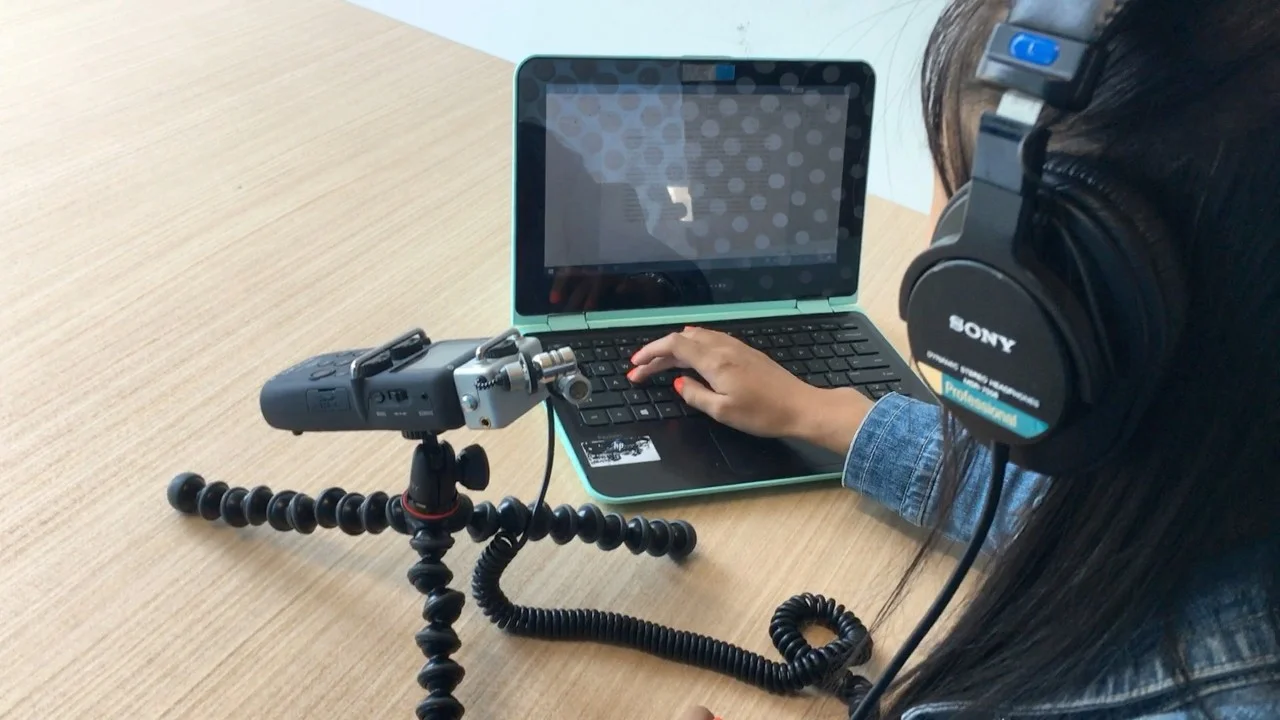
Gender-related issues are significant in the lives of young people. In many Australian secondary schools, however, there may be no safe space to explore them. This three-year research study, Gender Matters: Changing Gender Equity Policies and Practices in Australian Secondary Schooling, aims to address the current gap that exists in education policy and practice around gender and gender-based issues. Capturing the voices and perspectives of young people in relation to their experience of gender-related issues, through creative, arts-based methods, is a critical component of the research.
About this Project
Despite widespread concerns about gender-related issues in schools and society, system-wide policies on gender equity have almost disappeared. This three-year research study, Gender Matters: Changing Gender Equity Policies and Practices in Australian Secondary Schooling, examines the contemporary policy and practice gap in gender equity in schooling, in relation to earlier approaches. It aims to examine and refresh gendered explanations of inequity and design new approaches for an era of rapid social, cultural and technological change and competing policy agendas. The study is funded by the Australian Research Council (DP190102116) and has been approved by the Western Sydney University Human Research Ethics Committee (Approval H13308).
The research will seek the perspectives of two cohorts of young people: firstly, recent school leavers (aged 18-24) who are current students at Western Sydney University, followed by current secondary school students. In working with recent school leavers and current secondary school students, the research will use creative and participatory approaches to enable their views to inform and shape educational policy recommendations. The views of teachers, school executives and policy makers will be compared with those of the young people, to build a robust knowledge base about gender-related issues and schooling.
Project Aims
This research study aims to:
- Map gender-related educational policy, policy networks and pathways over time,
- Examine how gender practices and policies are experienced in the present through creative arts-based methods,
- Re-imagine gender policy in relation to contemporary understandings of gender and sexuality, and
- Develop recommendations for schools and educational systems to address gender-related issues.
In addressing these aims, the research questions being considered are:
- How is gender articulated, experienced and understood by young people, teachers, school executive and policy makers?
- How has gender-related equity policy for schools changed over time since the 1990s?
- How can gender-related equity policy be reframed and refreshed for contemporary schooling?
Project Phases
This research study will progress through four phases:
- Phase one will investigate changing gender equity policy and practice over time from the perspectives of bureaucrats, managers and advisers.
- Phase two will examine how gender impacted on the secondary school experience of current Western Sydney University students aged 18-24 years, and who attended an Australian secondary school.
- Phase three will examine how gender is shaping the lived experience of Year 11 students in four case study secondary schools. The perspectives of school leaders and teachers from these schools will also be sought.
- Phase four will bring together historical and contemporary voices to develop new strategies, guidelines and resources for gender equity policy and practice in Australian secondary schools.
The Researchers
Assoc. Professor Susanne Gannon

Susanne Gannon is Associate Professor in the Centre for Educational Research at the Western Sydney University, Australia. Her diverse research interests include gender equity and sexualities, secondary curriculum and writing pedagogies.
Professor Kerry Robinson

Kerry Robinson is a Professor of Sociology, Director of the Diversity and Human Rights Research Centre, and member of Sexualities and Genders Research (SaGR) in the School of Social Sciences at the Western Sydney University, Australia.
Prue Adams (PhD Candidate)
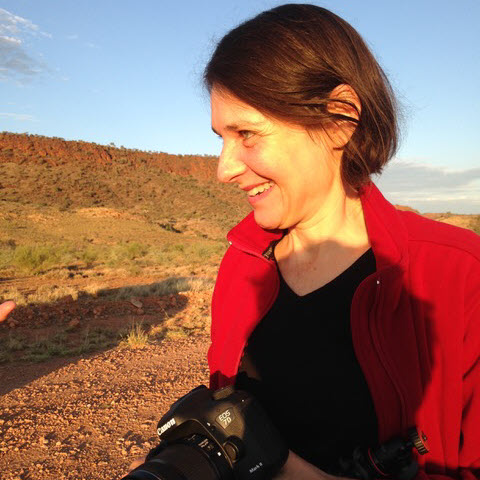
Prue Adams is a film and media maker and graduate of AFTRS (Australian Film Television and Radio School) with twenty years’ experience as a producer, director, writer and researcher of documentary, education and collaborative community projects.