You can search for courses, events, people, and anything else.
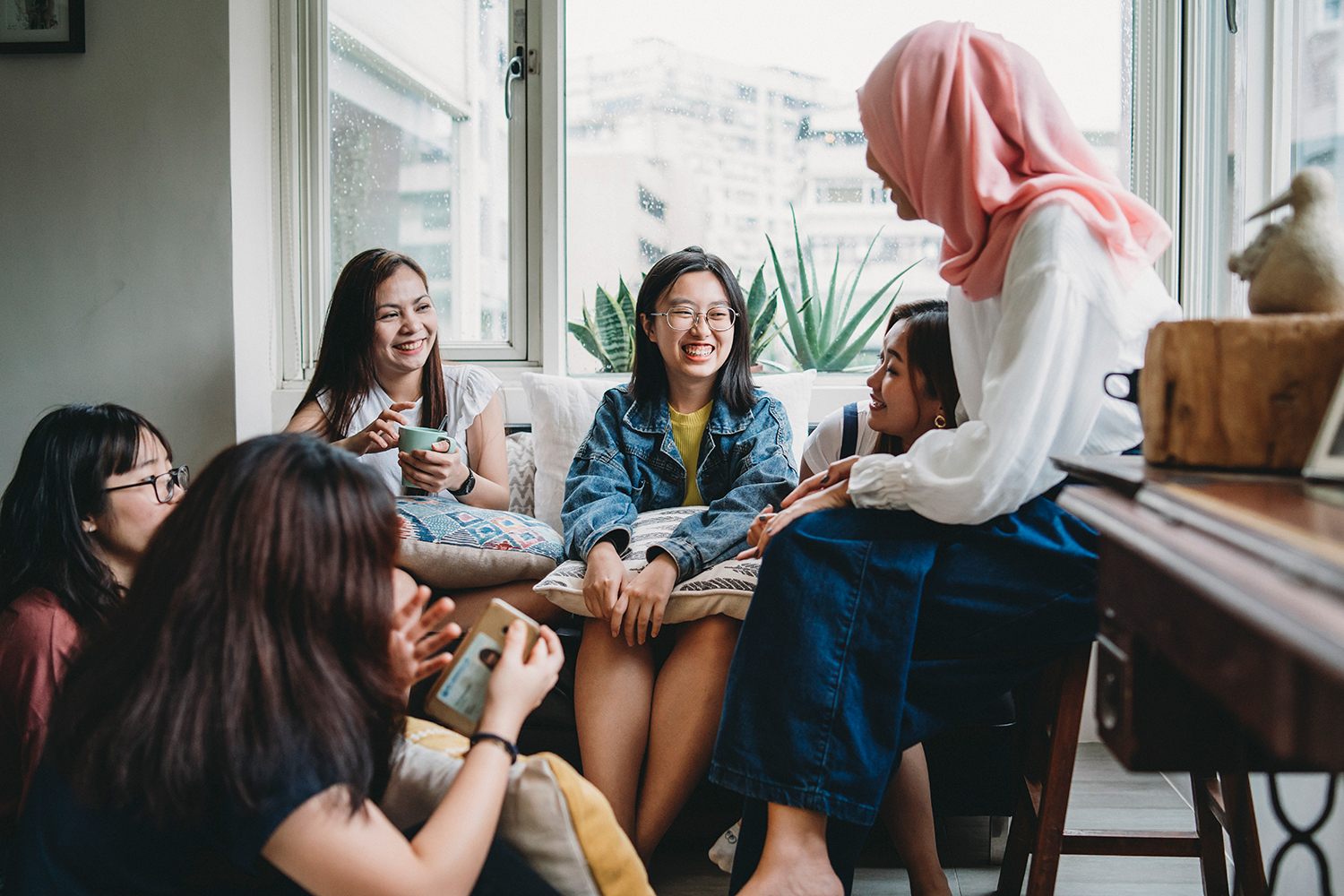
Mental health providers need to work with CALD communities for better outcomes.
Navigating mental health services can be difficult for anyone. But the added barriers of language, different cultural views, and trauma from past experiences can make it especially challenging.
A psychologist and mental health researcher at Western Sydney University’s School of Medicine, Associate Professor Shameran Slewa-Younan has focused on mental health issues in culturally and linguistically diverse (CALD) communities for more than 20 years.
Her work is shedding light on why many people don’t seek help for mental health issues and aims to improve the delivery of mental health services to multicultural communities, including refugees and asylum seekers.
FIGHTING STIGMA
With colleagues from Western and two other Australian universities, Slewa-Younan undertook a project to better understand and improve the treatment of mental health in three CALD communities — Congolese, Arabic speaking, and Chinese Mandarin speaking. Funded by Mental Health Australia, the project aimed to find out what influences people in these communities to seek help with their mental health and to recommend how best to work with CALD communities to develop strategies to tackle mental illness related stigma.
In early 2020, the team conducted a series of online focus group discussions and 26 individual interviews with community members and leaders.
“All three communities reported that stigma was a significant barrier to seeking help and that the topic of mental illness is ‘taboo’,” Slewa-Younan recalls. “There’s a hesitation, for example, to disclose that you have a mentally ill family member, because it influences factors such as community acceptance and marriage prospects.”
The project team reported in BMC Public Health that traditional beliefs and cultural frameworks affected how mental illness was perceived in all three communities. In the Congolese community, some participants described the belief that mental illness could have supernatural causes. The Chinese community thought that interpersonal and intergenerational conflict could lead to mental illness. A belief that mental state is related to the individual’s physical and social environment emerged in Arabic focus-group discussions.
All three communities preferred to access informal sources of help, including family, social, and community support networks.
The focus group discussions prompted frequent requests for educational initiatives. As well as tailored education to the communities, the project team recommended developing initiatives where people with lived experience of mental illness could share their stories, through live interactions or stories delivered using multimedia.
“The most important recommendation was about the need to work with the communities, because they’re the experts,” says Slewa-Younan.
“You need to work with the gatekeepers, like the spiritual leaders — the priests and Imams — to deliver these projects, and you need to employ a long-term approach,” she says. “Stigma is not something you can shift really quickly, and it’s not something that you can do once and forget.”
COMMUNITY CONSULTATION
Slewa-Younan’s combination of clinical work as a bilingual, bicultural psychologist and extensive research with refugees and multicultural groups gives her unique insights into the mental health needs of CALD communities.
Former director of the NSW Refugee Health Service, Mitchell Smith, says Slewa-Younan has raised awareness of mental health issues affecting resettled refugees in Australia for years (see ‘Improving Mental Health Literacy’). “Shameran has a keen interest in mental health literacy of communities, and she has been a strong advocate for programmes and services that address gaps in mental health literacy and care,” Smith says.
Slewa-Younan was recently selected to lead a major initiative funded by Mental Health Australia to document the state of multicultural mental health in Australia.
In this project, she and her team, which includes Distinguished Professor Andre Renzaho from Western’s School of Medicine, Professor Kingsley Agho from the School of Health Sciences, and Associate Professor Ilse Blignault from the Translational Health Research Institute, are investigating models of best practice for multicultural communities.
Using linked big data sets such as the Australian Bureau of Statistics’ database Person Level Integrated Data Asset (PLIDA), they will investigate the use of mental health services amongst CALD communities.
The project will include community consultation with service providers and their clients from a CALD community background.

31.5% in 2024. The proportion of Australia’s population born outside Australia.
IMPROVING MENTAL HEALTH LITERACY
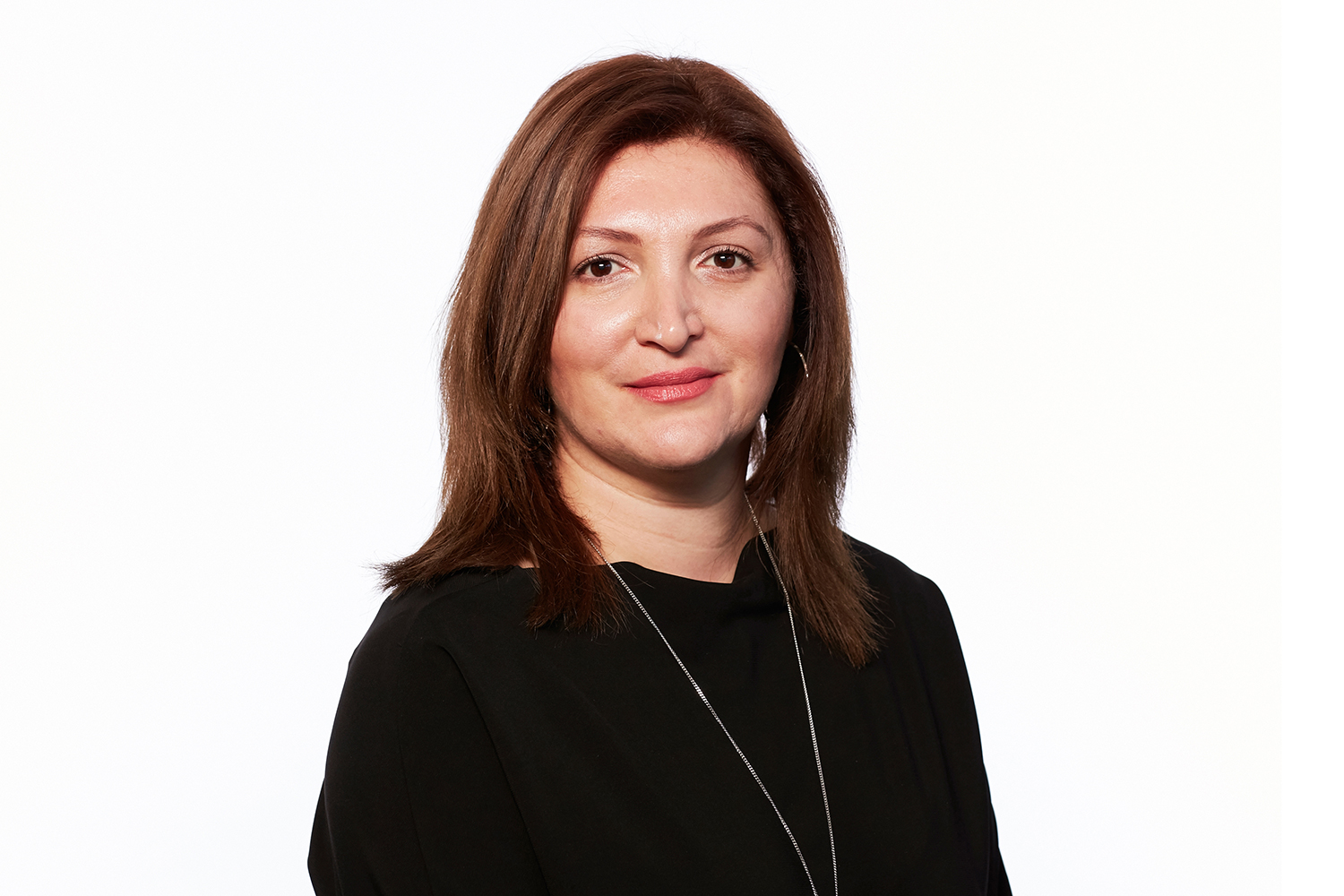
Associate Professor Shameran Slewa-Younan.
Improving mental health literacy is an important focus of Associate Professor Shameran Slewa-Younan’s work. With her former PhD candidate, Dr Gabriela Uribe Guajardo, she has developed guidelines for providing mental health first aid to refugees from Iraq. They then used these guidelines to improve mental health first-aid training courses.
Together, they also developed a one-day workshop for community leaders to improve their mental health literacy. They then evaluated the improvement in post-traumatic stress disorder (PTSD) related knowledge, attitudes and help-seeking measures and published their results in the International Journal of Mental Health Systems.
Fifty-four adults were trained, and pre- and post-workshop questionnaires showed significant improvement in measures such as the ability to recognise mental health problems and an increased recognition of the role that medication can play in the treatment of PTSD.
By equipping community leaders with the knowledge to respond to mental health problems, the workshops helped improve mental health outcomes for Arabic-speaking refugee communities.
One of the participants, Carmen Lazar, programme director at the Assyrian Resource Centre, said the workshop helped deepen her understanding of mental health using a culturally sensitive framework. “It provided clear, accessible tools and strategies to identify early signs of mental health issues, reduce stigma, and open conversations around mental wellbeing.”
After the workshop, she felt confident responding to a situation involving a newly arrived refugee family that was experiencing distress and isolation.
“I used the techniques from the workshop to approach the conversation with sensitivity and helped connect them to culturally safe mental health services,” she says. “I’ve also used what I’ve learned to initiate conversations about mental wellbeing in community gatherings, helping to break down stigma and encourage people to seek help when needed.”
Father Ramen Youkhanis from the Assyrian Church of the East Archdiocese of Australia also attended the workshop. “It appealed to me because I recognised the growing mental health challenges in our community — especially issues like trauma, depression, and anxiety given many have arrived as migrants and refugees,” he says. “As a religious leader, I felt it was important to be equipped to support our people both from a religious and emotional perspective.”
He has been able to put what he learned from the workshop into practice. “Whenever I am faced with families or individuals struggling with mental illness or crises, I have been able to draw on what I learned and encourage them to seek suitable professional help. For me it is clear that faith and mental health care can go hand in hand.”
Need to know
- Accessing mental health services can be difficult
for members of cultural and linguistically diverse (CALD) groups. - Associate Professor Shameran Slewa-Younan and colleagues are trying to better understand and improve the treatment of mental health in three CALD communities — Congolese, Arabic speaking, and Chinese Mandarin speaking.

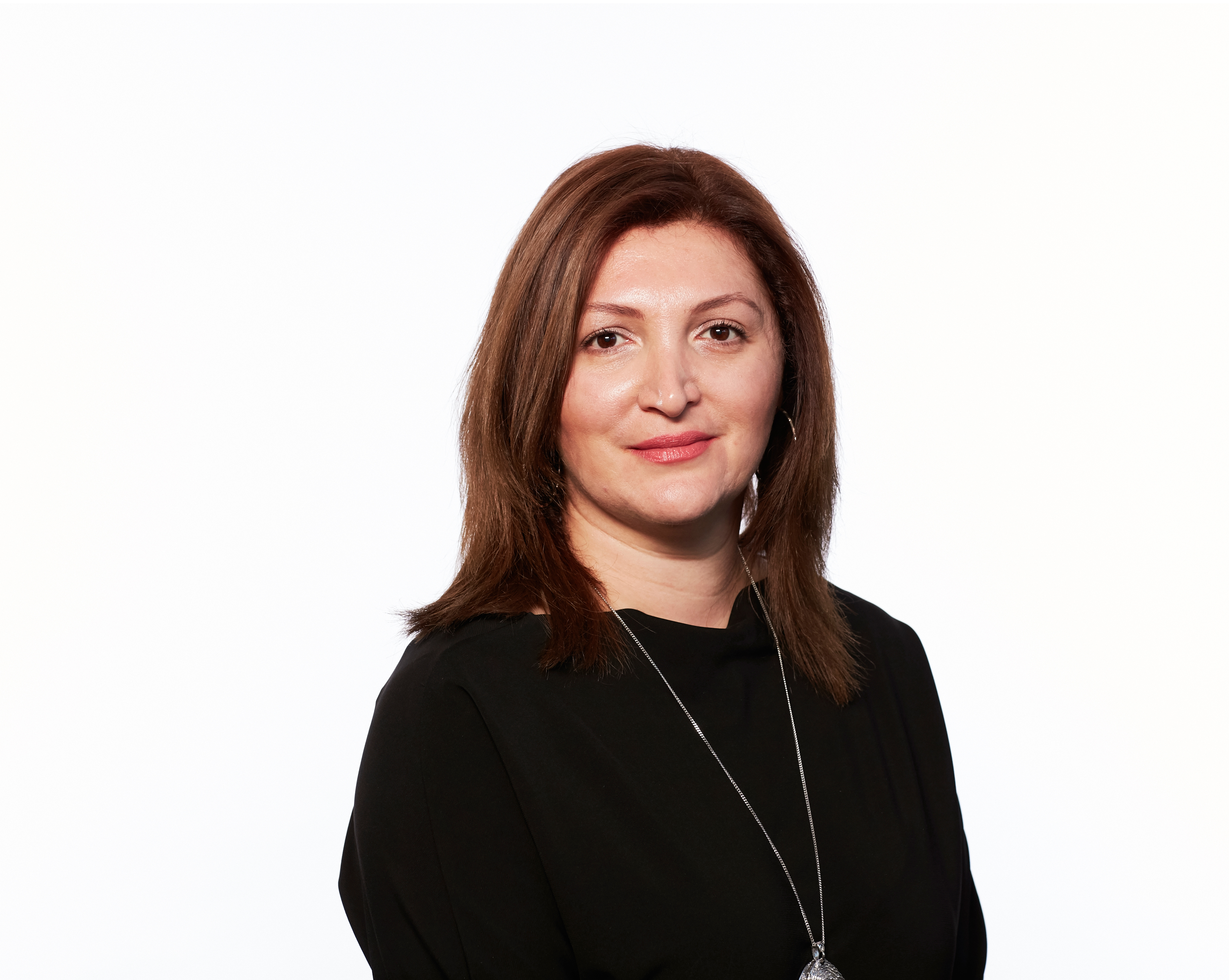
Meet the Academic | Associate Professor Shameran Slewa-Younan
Associate Professor Shameran Slewa-Younan is a leading academic in refugee and multicultural mental health, with extensive contributions across teaching, research, and translation. She holds appointments at Western Sydney University and the University of Melbourne, and has published widely, including work featured in national media. Her clinical expertise as a cross-cultural bilingual psychologist with the NSW Transcultural Mental Health Service spans over two decades, working closely with newly arrived refugees in South-Western Sydney.
Shameran’s research has had significant public policy and health service impact, including a 2018 Sax Institute Evidence Check Review that informed a $4.8 million investment in refugee psychosocial services by NSW Health, and stigma research that shaped Mental Health Australia’s submission to the National Stigma and Discrimination Reduction Strategy in 2022. More recently, she led the delivery of a national report on the state of multicultural mental health in Australia for the Commonwealth, further strengthening her role in shaping inclusive mental health policy.
She also serves as an Associate Editor for the International Journal of Mental Health Systems and Australian Psychologist. She is also a member of the Mental Health Advisory Committee for South Western Sydney Primary Health Network, contributing to regional mental health strategy and planning. In addition, she sits on the Mental Health Research and Mentoring Committee for South Western Sydney Local Health District (SWSLHD), where she actively supports the development of emerging researchers in refugee and multicultural mental health.
Her work reflects her deep commitment to addressing the needs of vulnerable communities and promoting culturally responsive, evidence-informed mental health research and practice.
Meet the Academic | Distinguished Professor Andre Renzaho
Meet the Academic | Professor Kingsley Agho
Credit
Future-Makers is published for Western Sydney University by Nature Custom Media, part of Springer Nature.
©Cienpies/iStock/Getty
©CreativaImages/iStock/Getty
Source: www.abs.gov.au/statistics/people/population/australias-opulation-country-birth/jun-2024
©FilippoBacci/E+/Getty