You can search for courses, events, people, and anything else.
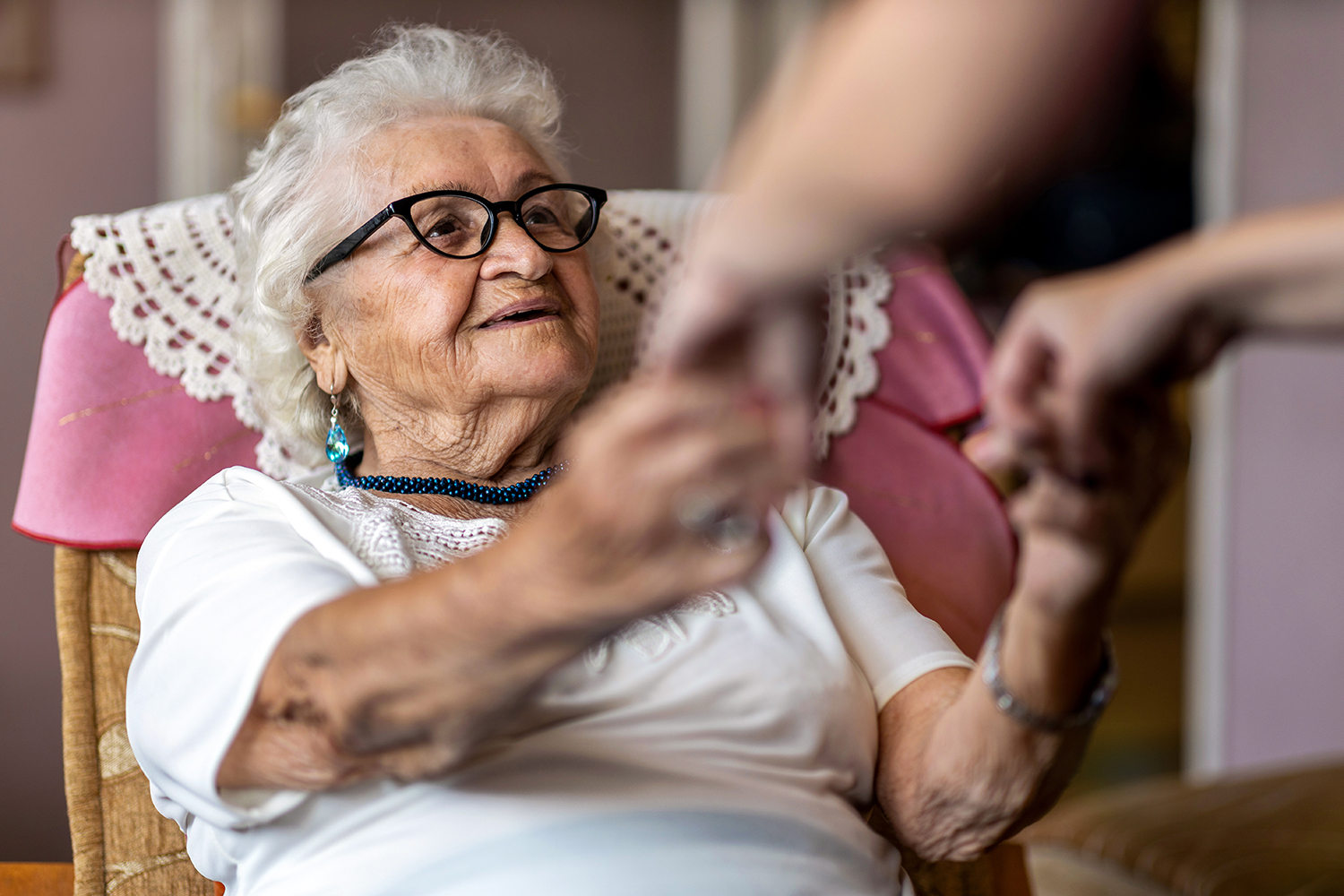
The difficulties of navigating dementia care are exacerbated for non-English speaking people in Australia.
More than 430,000 Australians, or about one in every 67 people, have dementia. They must cope with memory loss, confusion, behavioural and mood changes, communication problems, and other distressing symptoms.
Another 1.7 million Australians are involved in caring for someone with dementia — caused by a number of conditions, the most common of which is Alzheimer’s disease.
For Dr Diana Karamacoska, a cognitive neuroscientist at Western’s National Institute of Complementary Medicine, her first real brush with dementia came during her PhD, when two of her grandparents were diagnosed.
It was an incredibly stressful time for her family, she recalls: “We didn’t anticipate the number of hurdles we were going to encounter whilst navigating the healthcare system.”
To make the situation more difficult, Karamacoska’s grandparents were Macedonian immigrants who spoke little English.
“A lot of diagnostic tools that we use here are in English,” she says. “Also, they’re not culturally appropriate. For instance, they include questions such as ‘who is the Prime Minister of Australia?’, which don’t necessarily relate to these individuals and aren’t good indicators of their cognitive capacities.”
Initially, Karamacoska thought her family’s struggles were unique. But as she met others in a similar situation, she realised there was a larger, more systemic problem. She wanted to discover how people with dementia and carers from non-English speaking communities could be better supported on their dementia journey.
Chatting with colleagues and collaborators led to an idea — a series of education workshops, conducted in multiple languages, that were tailored to the needs of immigrant communities to help them learn more about dementia. “The aim was to raise awareness and reduce stigma through culturally relevant education, particularly in western Sydney communities that are often overlooked in mainstream programmes,” says urban planning expert Professor Nicky Morrison, co-director of Western’s Urban Transformations Research Centre and one of Karamacoska’s collaborators.
PLUGGING GAPS
The research team — which also included Professor Ann Dadich, a psychologist at the School of Business, and Associate Professor Joyce Siette, who studies brain health at the MARCS Institute for Brain, Behaviour and Development — partnered with a local dementia support group, service providers, and other experts to co-design a workshop programme called ‘Dementia Friends Unite’. Their insights were key to identifying the specific challenges that people from culturally and linguistically diverse backgrounds face, says Karamacoska, and helped shape the workshop’s content.
“We learnt, for instance, that a lot of people were struggling with understanding what dementia is, how to recognise it, and where to get help,” says Dadich.
Fellow collaborator Donna Lee, a 61-year-old person living with dementia and mother of four, explains: “When I was diagnosed more than a decade ago, no one told me where to go or what to do. I found it hard, even though I speak English. I can only imagine how much harder it would be for someone who doesn’t speak the language.”
As a result, the team made it a focus to cover a lot of foundational material in their programme, “so really explaining how the brain functions and changes with age, what the key signs and symptoms of Alzheimer’s disease and dementia are, and then unpacking the causes and risk factors,” says Karamacoska.
The programme also included tips on how to cope emotionally, how to continue living a full life, and potential ways to help slow the progress of dementia, such as eating healthily, exercising regularly and keeping socially active.
The sharing sessions revealed another major barrier faced by immigrant communities — that dementia is frequently associated with “fear, stigma, and a belief that little can be done,” says Morrison, making it harder for people to talk about it or seek support. “It’s sometimes deemed to be shameful,” adds Dadich. “In some communities, mental health and cognitive decline are not openly discussed.”
Others wrongly equate dementia with mental illness or as only starting in old age. “When I was diagnosed, everyone said I was too young and that I was lying,” recalls Lee. “My boyfriend at that time even said to me: ‘Go and get your head examined.’”
The team added segments to the workshop that were targeted at teaching carers how to engage with people with dementia and how to create a safe, easy-to-navigate living environment.
CHANGING LIVES
Dementia Friends Unite was launched in 2022 in south-western Sydney — home to a large migrant population, and where more than 12,500 people live with dementia. Each workshop was run by trained bilingual facilitators in English, Arabic, Vietnamese, Mandarin, Cantonese and Greek. More than 220 people attended the workshops, mostly older adults.
The results were really encouraging, says Karamacoska. Participants surveyed after the programme showed significant improvements in their knowledge about dementia, especially about the causes and how to manage it, as well as improvements in attitudes toward the diagnosis and comfort in accessing services.
“We also heard stories of how families were implementing some of the strategies we had shared for making small adjustments to help their loved ones,” she says, adding that a follow-up survey conducted 12 months later revealed similar findings.
Community and aged-care industry stakeholders also benefitted from the programme, “they really appreciated the whole-community approach that it takes to support someone with dementia. And they got to leverage resources amongst themselves,” Karamacoska says.
In further proof of its success, Dementia Friends Unite has since expanded beyond the Canterbury-Bankstown region into other suburbs. “Once people found out what we were doing, they all jumped on board,” she says. “Everyone wanted a piece of the action.”
Her team is now adding more languages into the mix, including Spanish, Hindi, Punjabi and — her grandparents’ native tongue — Macedonian.
If Dementia Friends Unite had existed during her PhD, Karamacoska says it would have saved her family years of figuring things out on their own. “I think we would have helped my grandma especially cope much better, and we would have more quickly tackled the stigma of having dementia.”
Need to know
- In Australia, about one in 67 people today are
living with dementia. - Immigrant communities with diverse linguistic and cultural backgrounds face additional challenges when navigating dementia diagnosis, treatment and care.
- Dr Diana Karamacoska led a team that designed a series of interactive dementia education workshops in six languages.
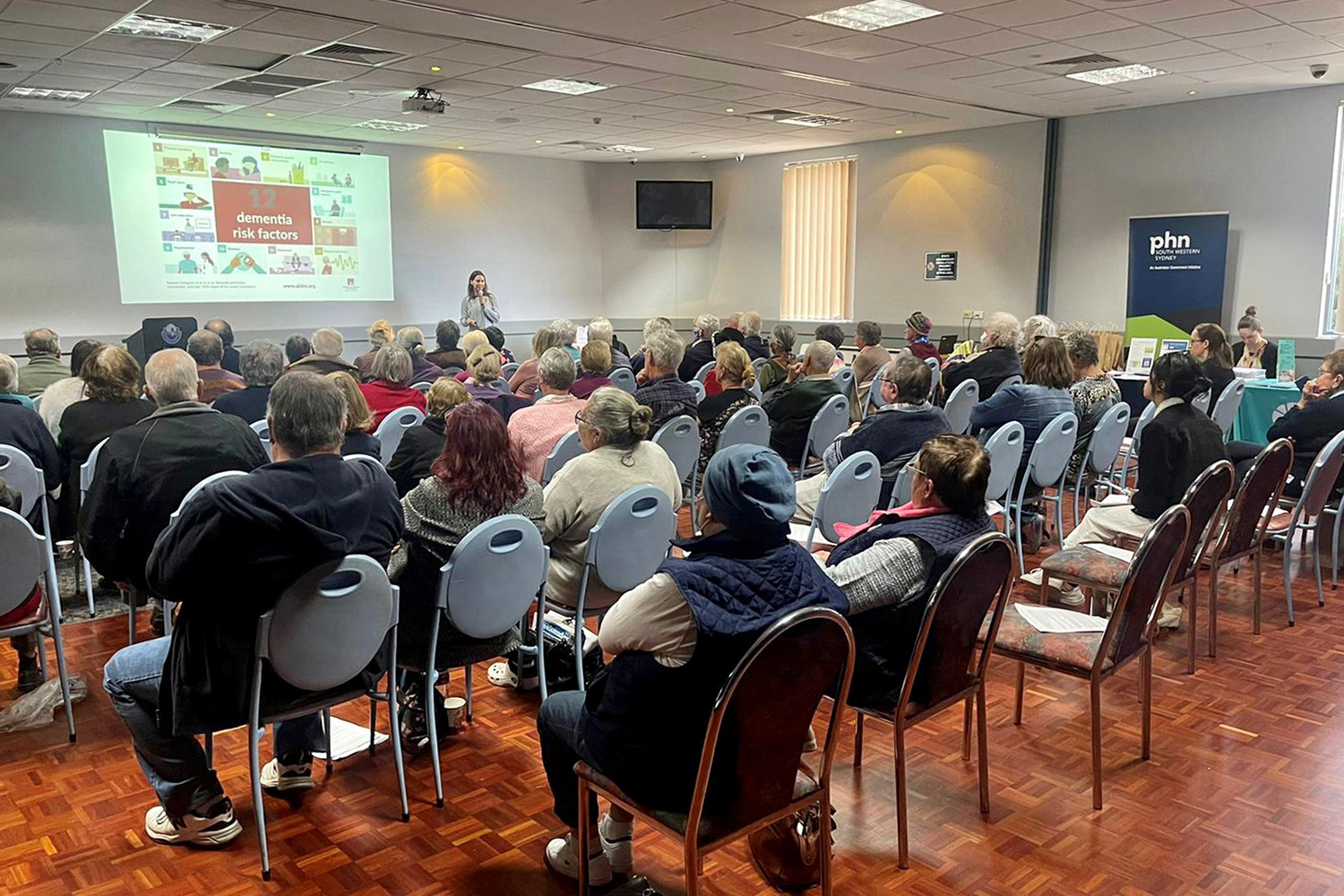
Dementia Friends Unite’ workshop being conducted in south-western Sydney.


Meet the Academic | Professor Nicky Morrison
Nicky Morrison is the Professor of Planning at Western Sydney University and Senior Visiting Fellow at Cambridge University. She is Western’s Director of the Urban Transformations Research Centre and is the academic lead transforming WSU’s Werrington Campus into Penrith Sustainable Innovation Community (PSIC).
Nicky is a leading academic authority on delivering resilient, healthy, and sustainable communities and securing affordable housing through the planning system. She has over 30 years of experience leading interdisciplinary teams on high impact international planning and housing research projects. attracting major competitive external funding, from the European Commission, Norwegian, UK, NSW State and local governments, Shelter Homeless Charity and Joseph Rowntree Foundation. Nicky has been invited to act as advisor to senior government officials and NGOs across the world. For example, she was the strategic advisor to Chinese Ministers as they implemented China’s first Public Housing Act and Amnesty International ‘Housing rights live here’ programme across Sub-Saharan Africa.
Nicky serves on the Habitat International and Urbanistica Editorial Boards, Executive Committee of the Healthy Populations and Environments Platform in the Sydney Partnership for Health Education, Research and Enterprise (SPHERE), Western Sydney Committee of Urban Development Institute of Australia (UDIA) NSW, and the Expert Advisory Panel of Greater Sydney Heat Taskforce. And has served on the Australian Public Policy Institute (formerly James Martin Institute) Advisory Research Group, the PIA NSW and the Greater Sydney Commission Awards judging panel, WESTIR Ltd Board, and long-standing UK community housing provider Board Director.
Nicky is passionate about developing truly collaborative planning through effective partnerships between government, the private sector, NGOs, and community agencies. In 2019, the Royal Town Planning Institute commended Nicky for her recognised leadership and significant contribution to the planning profession.
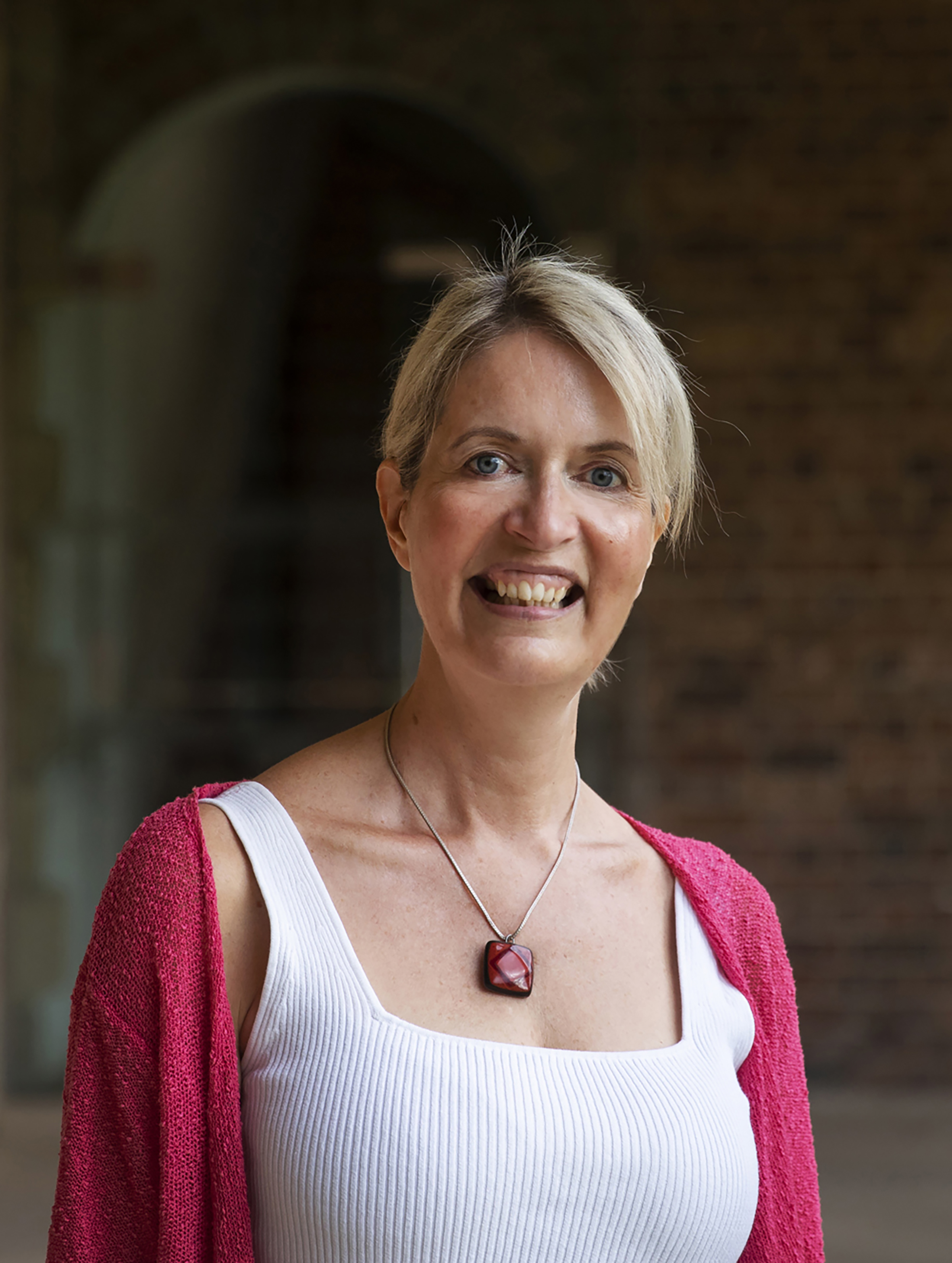
Meet the Academic | Associate Professor Joyce Siette
Dr Joyce Siette is an Associate Professor and the Deputy Director of the MARCS Institute for Brain, Behaviour and Development at Western Sydney University. Dr Siette is dedicated to mitigating dementia risk and cognitive impairment through innovative public health strategies. She is currently exploring how digital health and informatics, data analytics and interoperability can support healthy brain ageing.
Dr Siette is the Co-Chair for the Australian Association of Gerontology NSW Division and serves as Associate Editor for multiple journals including the Australasian Journal on Ageing, BMC Geriatrics and Frontiers in Psychiatry.
Recognised with multiple awards, including the 2021 Future of Ageing Award and the 2023 Vice-Chancellor’s Excellence Award for Excellence as an Early Career Researcher, Dr Siette continues to drive innovation in ageing research.
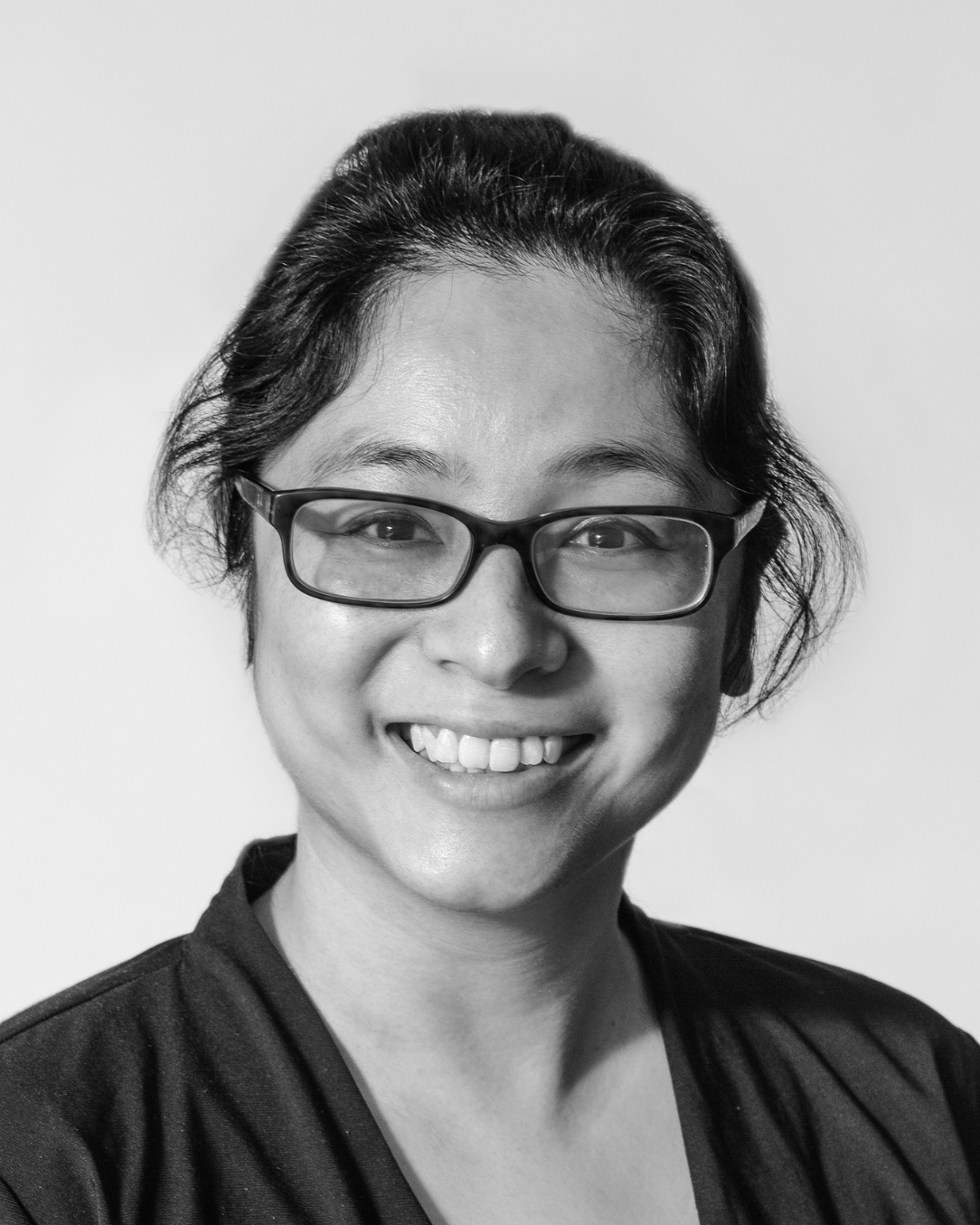
Meet the Academic | Professor Ann Dadich
Professor Ann Dadich is a registered psychologist and a Justice of the Peace in New South Wales. She is an internationally recognised expert in health service management, notably knowledge translation. This encompasses scholarship on the processes through which different forms and sources of knowledge coalesce to promote brilliant care - that is, care that exceeds expectation. This is demonstrated by her publishing record; the research grants she has secured; the postgraduate theses she is invited to examine; and the awards she has received.
Professor Dadich holds editorial appointments with several academic journals, including Heliyon and the Australian Health Review. She is also the Deputy Director of the Sydney Partnership for Health, Education, Research and Enterprise (SPHERE) Knowledge Translation Platform; she co-chairs the Australian and New Zealand Academy of Management (ANZAM) Health Management and Organisation (HMO) Conference Stream; she co-convenes the ANZAM HMO Special Interest Group; and she serves on the Executive Committee of ACSPRI (the Australian Consortium for Social and Political Research Inc.). Additionally, Professor Dadich supervises doctoral candidates and teaches undergraduate units on change management, innovation, creativity, and organisational behaviour.
Credit
Future-Makers is published for Western Sydney University by Nature Custom Media, part of Springer Nature.
© Piksel/iStock/Getty