You can search for courses, events, people, and anything else.
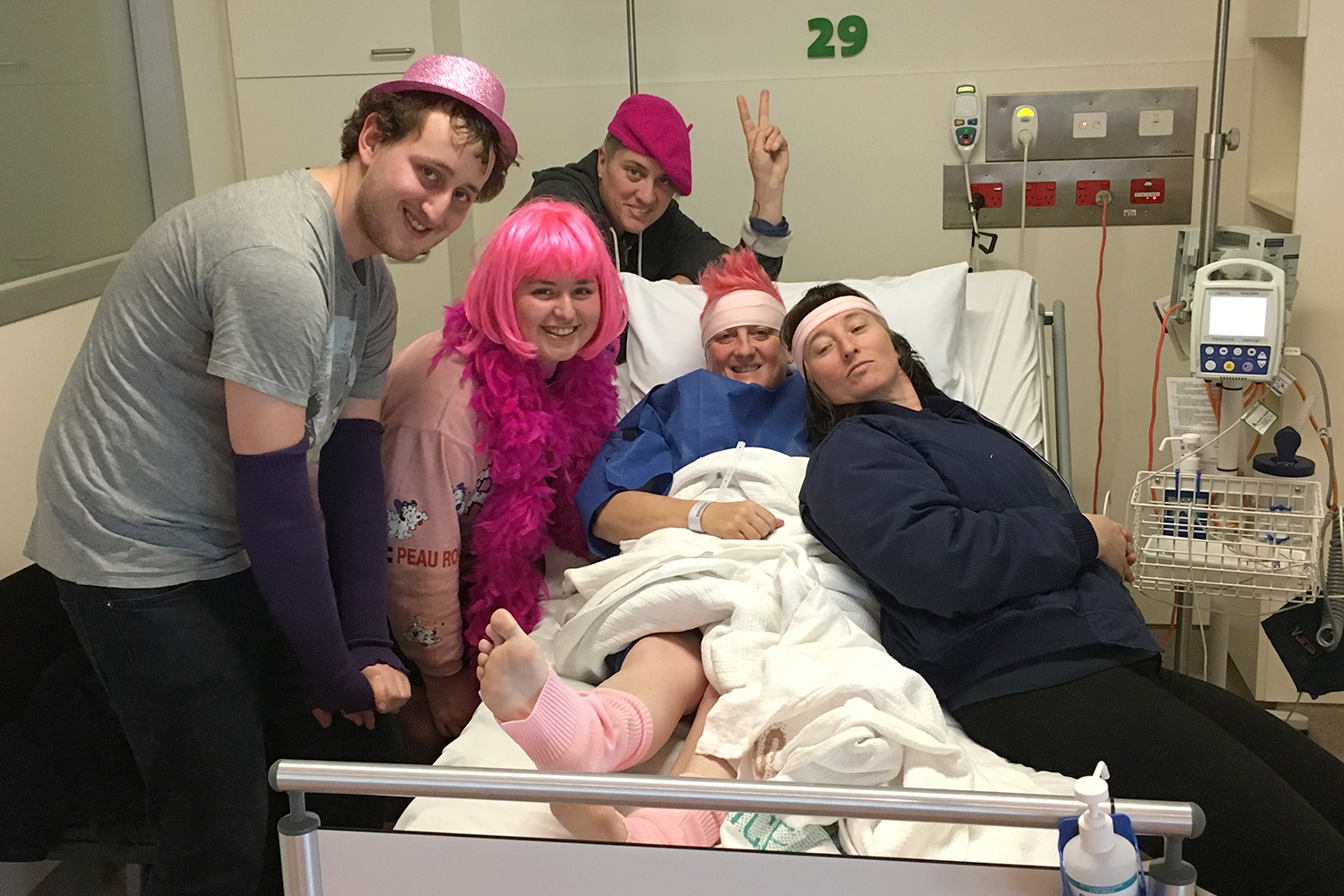
Photograph taken by study participants. A queer woman being supported through breast cancer by her cherished “queer family”.
When Natalie Halse had a mastectomy to treat her breast cancer, she went through the pain and trauma any woman does: grief, fear that the cancer would return, and questioning whether breast reconstruction surgery was right for her.
But — as she told the Breast Cancer Network of Australia (BCNA) — in addition to what every woman feels, Halse had an extra source of stress: discrimination. Halse identifies as gay, and at times her medical team seemed uninformed about how her care needs might differ from other patients.
“A breast-care nurse said to me that I may not want to have a reconstruction because I didn’t have a husband. So that presumption that a breast isn’t important to a lesbian woman — I was quite shocked,” she said.
Halse is not alone. Out with Cancer: LGBTIQ+ experiences of cancer survivorship and care, a three-year study led by Western Sydney University and funded by an Australian Research Council Linkage grant, has found that 31% of lesbian, bisexual, gay and other queer people experienced discrimination while receiving care for a cancer diagnosis.
The report notes that number jumps to 50% for trans-people (people whose gender is different from the one they were assigned at birth) and 52.4% for intersex people (people whose sex characteristics differ from the expected female or male characteristics). Professor Jane Ussher, from the School of Medicine and the Translational Health Research Institute (THRI) at Western Sydney University, who led the study, says that after a lifetime of discrimination and trauma, some LGBTIQ+ people have genuine fears for their safety at the hands of their doctors. “For me, the most shocking finding was that so many people said, ‘I don’t want them to know I’m gay because I don’t want them to treat me differently. If they’re religious, are they going to have less motivation to treat me, cure me?’”
BURDEN OF DISCLOSURE
The reality is that LGBTIQ+ people live with discrimination. Between 82 and 95% of participants in the study, or their LGBTIQ+ carers, had experienced serious forms of discrimination in their life, including family rejection, work harassment, criminalisation of homosexual sex, or being forced into therapy to ‘cure’ them. Such experiences leave lasting effects, and many people protect themselves by keeping their sexuality, trans identity, or intersex status a secret, even from their doctors.
In addition, LGBTIQ+ people are at higher risk of cancer due to lifestyle factors, such as higher rates of smoking and drinking, which is often a response to life stress. They are also less likely than the general population to seek out cancer screening from healthcare professionals, because of fear of discrimination.
While the study found that most cancer clinicians were comfortable treating LGBTIQ+ people, levels of confidence and knowledge were low. Less than half of clinicians in the study could pass a 10-question quiz on cancer in the LGBTIQ+ community. Ussher says that many well-intentioned doctors don’t ask about a person’s sexuality, thinking that treating everyone the same is good practice. However, “it’s not good practice and it’s not a neutral position,” says Ussher.
This ‘don’t ask, don’t tell’ approach can create anxiety in the patient, who is unaware of whether the doctor is an ally. It also puts the burden of disclosure on to the patient. Even though LGBTIQ+ people regularly come out to new people across their whole lives, the process is never easy and raises memories of occasions when the disclosure was poorly received. “We need to ask about sexual orientation, diverse gender identities, and intersex status, on intake forms” says Ussher. Understanding that a person is LGBTIQ+ is essential to providing inclusive care, ensuring that language and information are relevant to their sexuality, gender, and relationships.
INCLUSIVENESS IS CRITICAL
Being more inclusive can start with something as simple as a rainbow sticker in a clinic, flagging that it’s safe to come out. But Ussher says more LGBTIQ+ resources are needed, with the study finding only 13% of cancer information websites mention the LGBTIQ+ community. Cancer clinicians also need training in recognising the specific needs of LGBTIQ+ patients and their carers. For example, the study interviewed the partner of a trans man who watched as women were offered support to help them reconcile with hair-loss following chemotherapy, where his partner was offered nothing over the loss of his beard. Being a trans man, having “facial hair matters so much,” he said. In another case, a lesbian woman was pressured by doctors to use vaginal dilators after treatment, with no-one asking her “if I use my body that way”.
Knowing there’s potential to encounter a homophobic or uninformed healthcare professional while dealing with cancer adds to an already stressful situation. Not having the confidence to bring a partner or friend to doctor’s meetings or to be by their bedside can exacerbate that stress. Support from queer family is essential to coping with cancer. Some 41% of LGBTIQ+ cancer patients reported high or very high levels of distress in the study, compared with just 7–12% of the general cancer-affected population.
For Halse, it was stress she didn’t need. What she did need during her treatment was support and acceptance from her medical team, carers, family, friends and community. “You are very vulnerable during that time, and I think it’s just important to make sure that you wrap around yourself a bit of a security blanket to help you get through that tough time and not be alone,” she told the BCNA. Having strong social support from LGBTIQ+ communities, partners, and chosen family provides that security blanket for many people.
Findings from the Out with Cancer study have informed the creation of LGBTIQ+ patient resources, developed by Ussher and her team in partnership with BCNA, Cancer Council, and Canteen. In collaboration with the McGrath Foundation, online training modules for healthcare professionals have also been launched to improve clinicians’ understanding of the unique needs of the LGBTIQ+ community and help patients feel safe and supported.
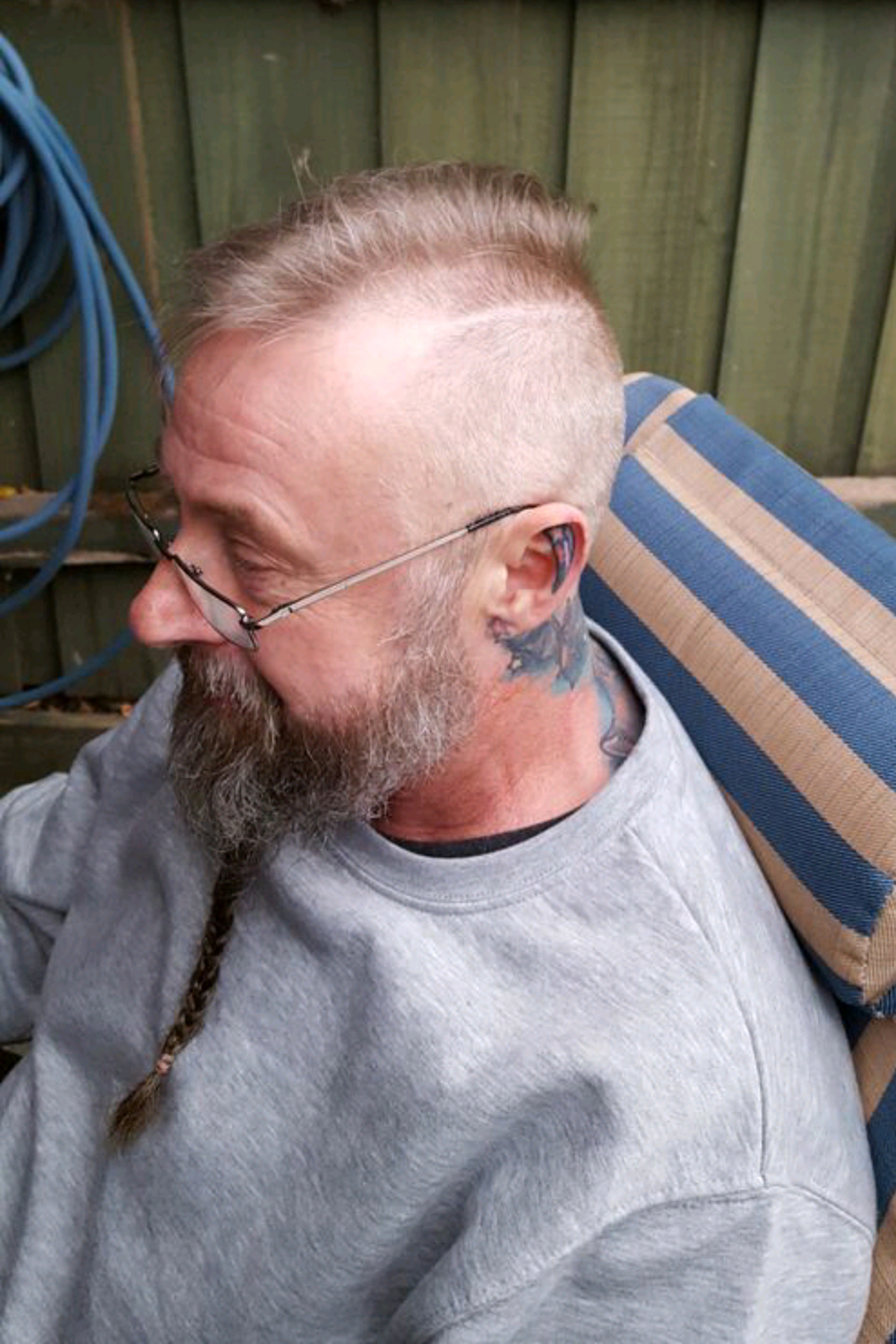
Photograph taken by study participants. A trans participant before loss of their facial hair following treatment.
Need to know
- LGBTIQ+ people face additional stresses when
navigating healthcare. - More than 30% have faced discrimination when
receiving a cancer diagnosis. - The Out with Cancer study suggests ways to
make cancer care more inclusive.

Being inclusive can start with something as simple as a rainbow sticker in a clinic.
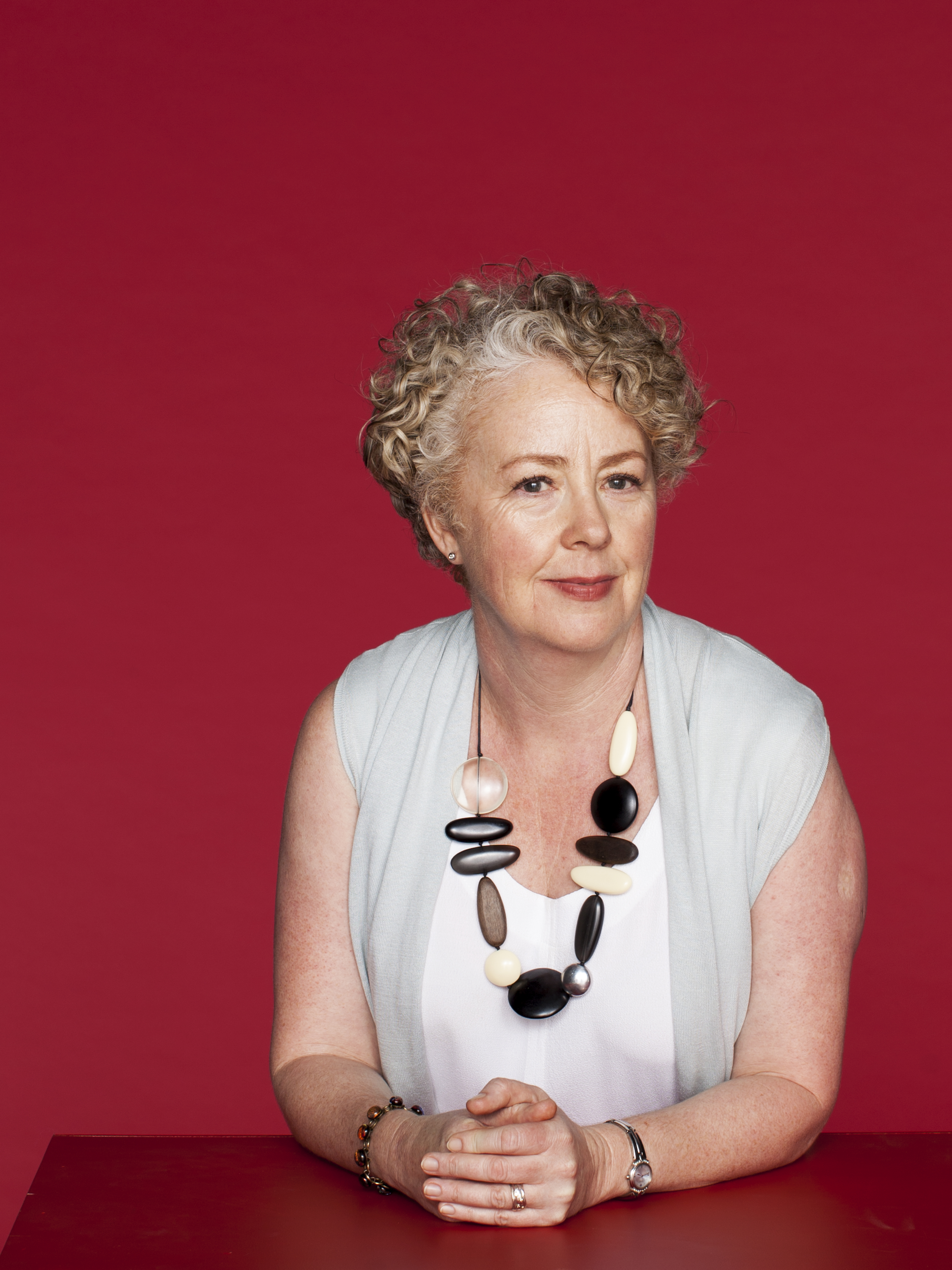
Meet the Academic | Professor Jane Ussher
Jane M. Ussher, PhD, is a critical health psychologist whose research examines embodied subjectivity across the reproductive cycle and sexuality. She completed a BA at the University of Exeter (1983), a PhD at the University of London (1987), and clinical psychology training through the British Psychological Society (1989). Appointed as Professor of Women’s Health Psychology in 2002, her work bridges research and clinical practice in gendered health, including the development of psycho-educational interventions for premenstrual distress, sexual concerns following cancer, and LGBTIQ+ cancer survivorship.
Jane is editor of the Routledge Women and Psychology book series and the Taylor & Francis journal Women’s Reproductive Health. She has served as President of the Australian Society for Psychosocial Obstetrics and Gynaecology (2017–2020) and the Society for Menstrual Cycle Research (2019–2021) and is a Fellow of the British Psychological Society.
She has authored more than 350 academic papers and 14 books, including The Psychology of the Female Body, Fantasies of Femininity, Managing the Monstrous Feminine, and The Madness of Women: Myth and Experience (all Routledge). She is also co-editor of The Routledge Handbook of Women’s Sexual and Reproductive Health, Trans Reproductive and Sexual Health, and Out with Cancer: LGBTIQ+ Cancer Survivorship and Care.
Jane has received over $14 million in research funding and numerous awards, including the Steven Grunberg Memorial Award from the Multinational Association of Supportive Care in Cancer (2019) and the Ann Voda Award for research in women’s reproductive health (2023).
Credit
Future-Makers is published for Western Sydney University by Nature Custom Media, part of Springer Nature.
© marilyna/iStock/Getty