You can search for courses, events, people, and anything else.
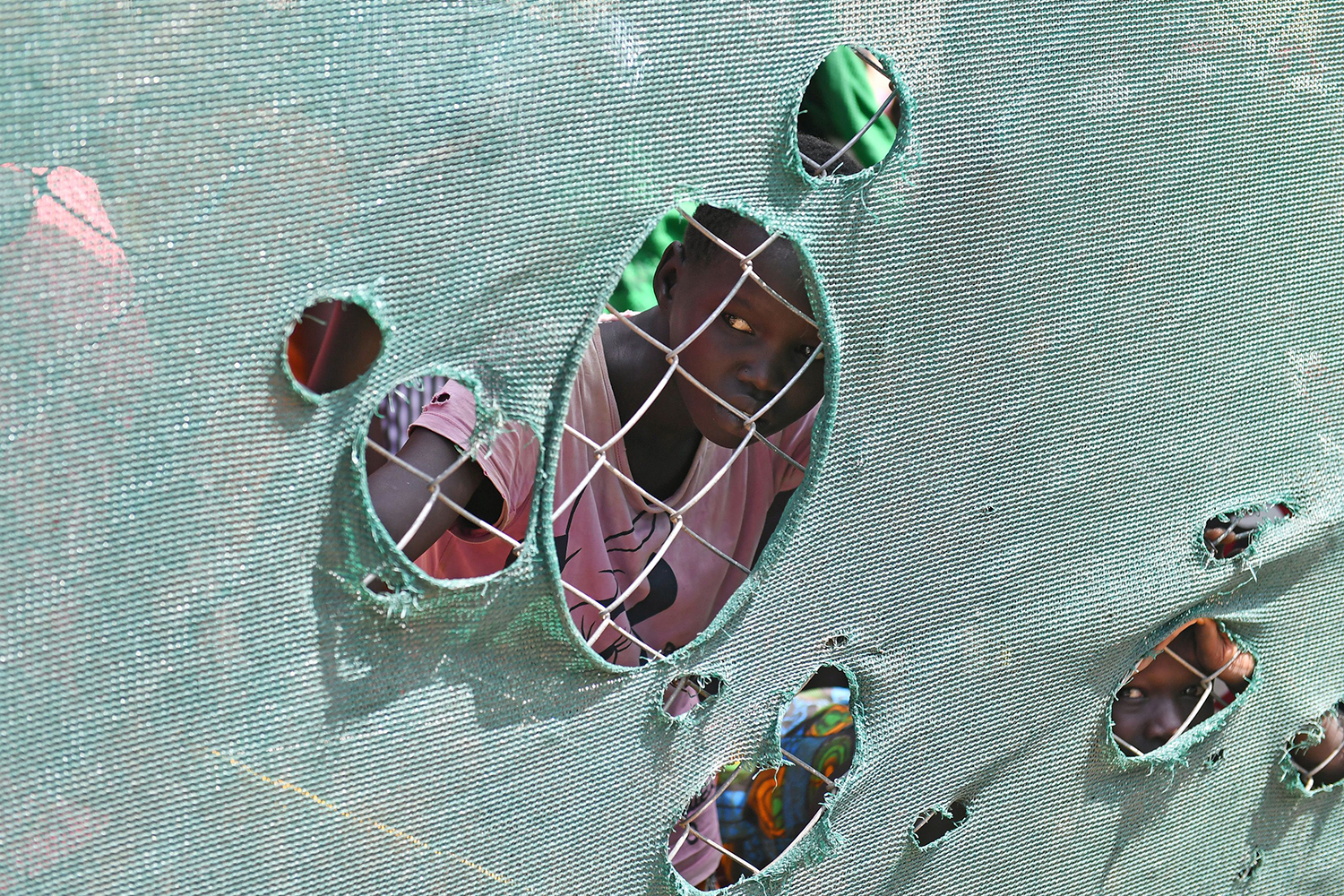
A young person looking through a fence at the Kakuma refugee camp in Turkana county, Kenya.
In a long-term refugee setting, where displacement of people spans years or even decades, the lines between humanitarian aid and development can blur. Dr Valentina Baú, a senior research fellow at Western Sydney University’s Humanitarian and Development Research Initiative (HADRI), is leading research to understand how young people in long-term refugee camps communicate, and how humanitarian organisations can engage with them more ethically and effectively.
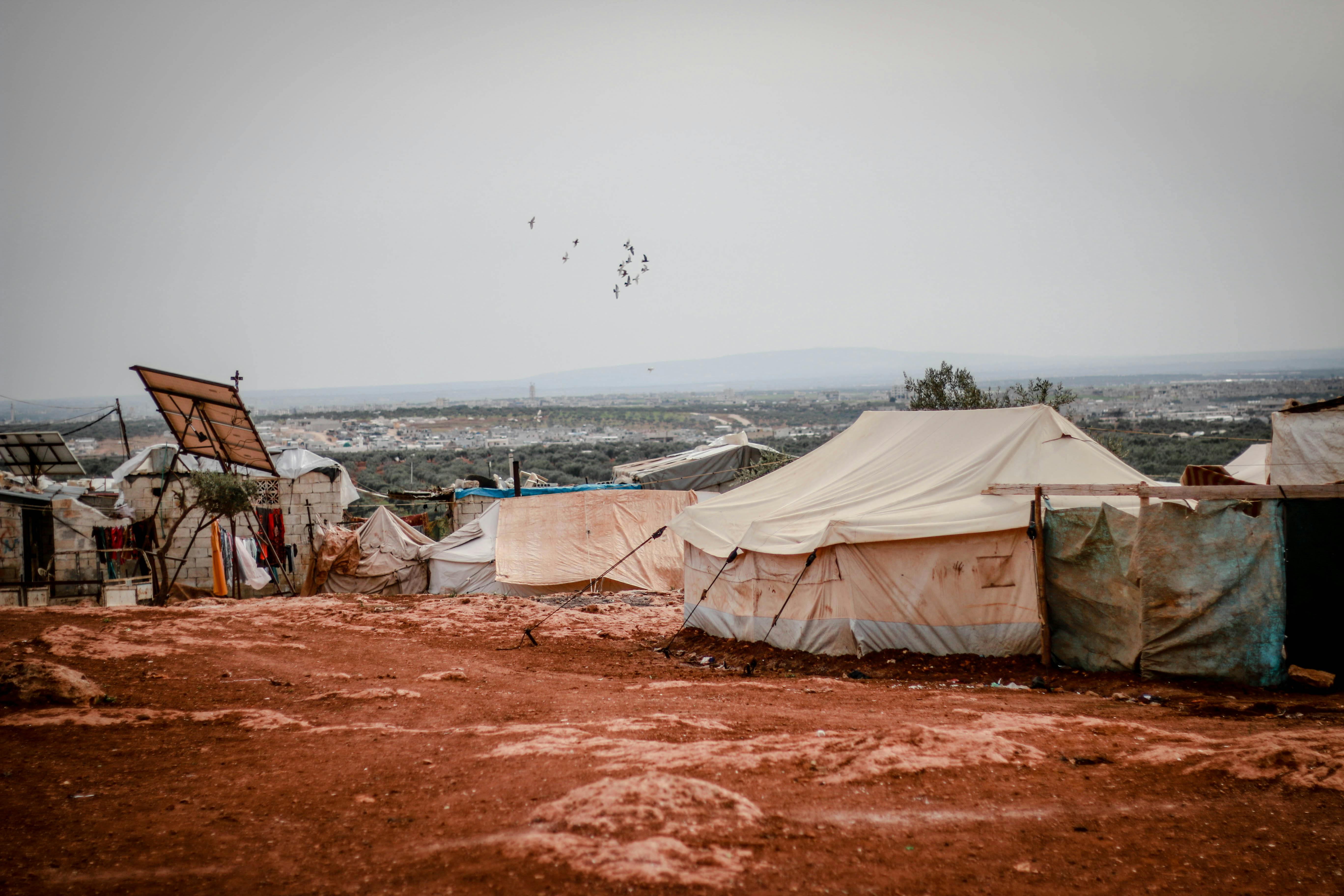
Her Australian Research Council Discovery Early Career Researcher Award project — Development Communication, Media and Peace in Protracted Displacement — focuses on two major camps: Kakuma in Kenya and Za’atari in Jordan. Kakuma is one of the largest refugee camps in the world, with a population of more than 200,000 people from different parts of Africa. It is also one of the longest running, having been established in 1992. Za’atari was founded in 2012 and has housed up to 120,000 people.
“I wanted to understand how communication is used in those camps, and how humanitarian agencies can use a more informed communication approach in reaching young people — particularly in ways that also promote social cohesion and community development in the camps,” says Baú.
Her work is grounded in the idea of ‘communicative ecologies’, which structures the communication environment into three layers: technological, social andthematic.
“The technological layer refers to the media that young people use in their everyday lives to communicate; it doesn’t necessarily need to be digital but it is the means through which information can be received and exchanged,” Baú explains.
“The social layer is all the interactions that young people have, such as gatherings, while the thematic layer is what they usually talk about. Essentially, these layers address the three questions of ‘how’, ‘where’ and ‘what’ communication takes place.”
Although both Kakuma and Za’atari are long-term refugee camps, there are important differences in their communicative ecologies. For example, in the technological layer, Za’atari camp has more resources and young people there have access to mobile phones and computers.
While mobile phones are also accessible in Kakuma, they are usually shared on a rotational basis by several people. “Obviously, that influences how digital technology is experienced,” Baú says.
On the other hand, Kakuma has a richer social layer and more opportunities for young people to meet, Baú continues. “There are interest groups, from poetry to acting and dancing; the humanitarian organisations operating there hold many activities for young people to participate in. In Za’atari, the social interactions tend to be more limited, with activities for different genders depending on the time of day.”
MESSAGES THAT ‘FIT’
One of Baú’s key findings is that understanding these differences can help humanitarian and development organisations develop more tailored communication strategies. While the content of the messages remains important, beginning with the context can help agencies break through linguistic and cultural barriers.
These findings, published in the journal Communication Studies, were added by the United Nations Refugee Agency (UNHCR) as a resource in their Assessment, Analysis and Learning Hub to encourage others to take an ecology-informed approach to youth communications.
As a next step, Baú returned to Kakuma to conduct a follow up study on the use of radio and also plans to return to Za’atari to study how other technologies like geographic information systems are used. “Radio and other technologies can be an important platform through which communication takes place, playing an important role in the ecology of young people.”
Need to know
- Dr Valentina Baú is studying how young people communicate in refugee camps.
- She is using an approach called communicative ecologies to break up the environment into technological, social and thematic layers.
- This could help humanitarian organisations develop more effective communication strategies.
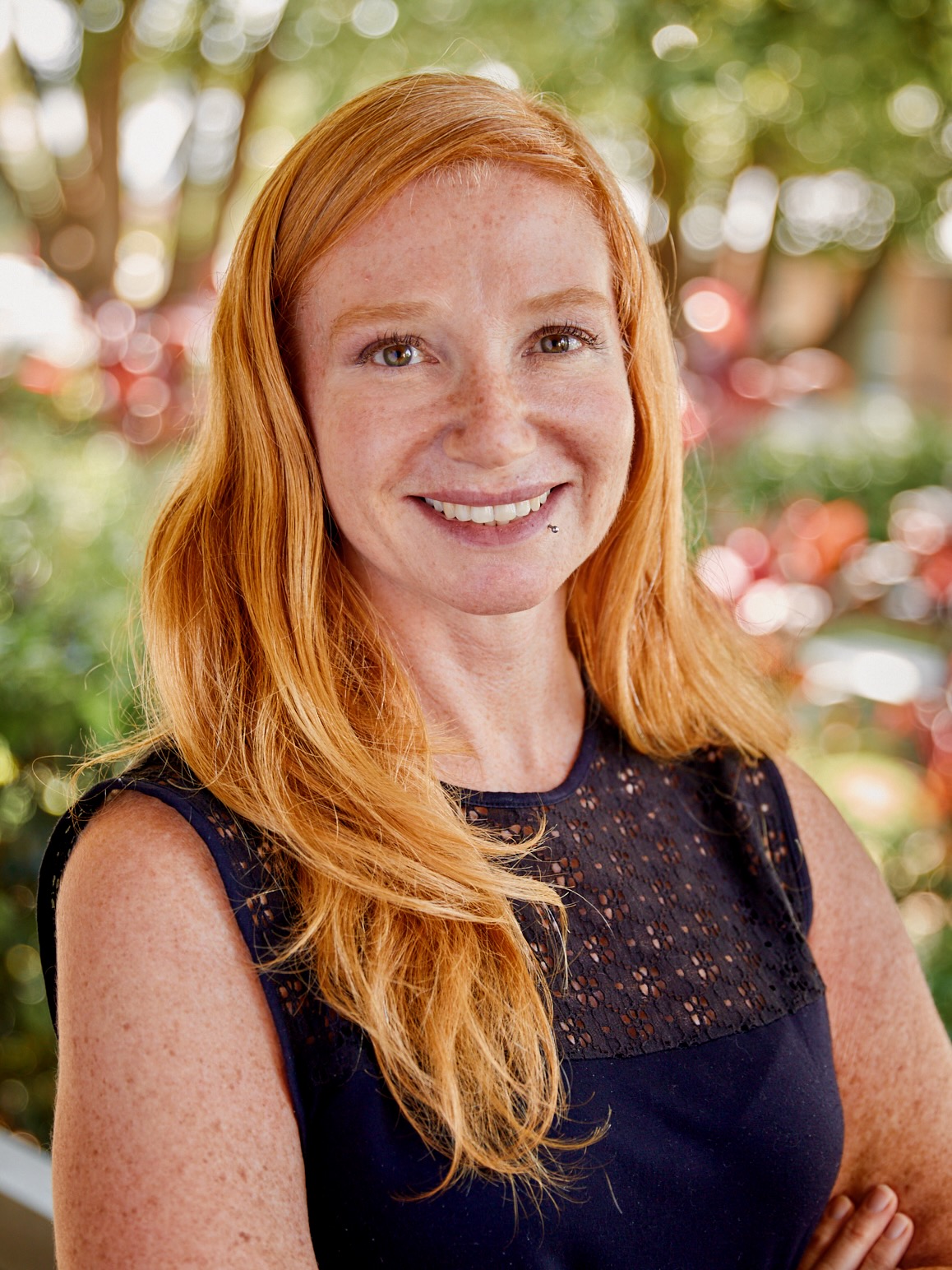
Meet the Academic | Dr Valentina Baú
Dr Valentina Baú is Co-Director of Western Sydney University (WSU) Humanitarian and Development Research Initiative (HADRI), Associate Research Fellow UNESCO Chair, Cultural Diversity and Social Justice at Deakin Institute for Citizenship and Globalisation, and an affiliate of Monash Global Peace and Security Centre at Monash University. Her work focuses on the use of development communication in peacebuilding and humanitarian contexts, and she has published extensively on both academic and industry platforms.
Valentina has worked in different African countries, Asia and the Middle East, and collaborated with international development and humanitarian agencies including UNICEF, UNDP, UNHCR, Search for Common Ground, Mercy Corps, FilmAid Kenya and the Italian Development Cooperation. She was a Visiting Fellow at the Migration Policy Centre of Robert Schuman Centre for Advanced Study, European University Institute (EUI), Italy; and a Visiting Senior Research Fellow at UNICEF Innocenti – Global Office of Research and Foresight, Italy.
Her work has received funding from the Australia Research Council (ARC) and the International Peace Research Association (IPRA) Foundation. She is the recipient of an ARC Fellowship for her project on Development Communication, Media and Peace in Protracted Displacement, looking at the use of development and humanitarian communication with young people living in Kakuma and Zaatari refugee camps. Her experience involves the implementation of both research and media projects with victims and perpetrators of conflict, displaced communities, and people living in extreme poverty. More details about her work and publications can be found here.
Credit
Future-Makers is published for Western Sydney University by Nature Custom Media, part of Springer Nature.
© Chine Nouvelle/SIPA/Shutterstock