Dealing with Anger
Among the basic emotions of human beings, anger is as fundamental as happiness and sadness. There is no doubt that we have all experienced anger at some point in our lives, whether it be as a fleeting annoyance or rage.
Although anger is widely perceived as a harmful emotional response, it can also be viewed as a healthy and appropriate response when expressed assertively and respectfully. It is also possible to use anger to motivate yourself to achieve your highest aspirations.
However, anger can become destructive when it becomes out of control. Health problems, work difficulties, and relationship difficulties can occur, as well as feelings of regret and fear. An individual's thoughts can become irrational and exaggerated and lead to a range of negative behaviours, usually associated with aggression and violence.
What is anger?
Anger is a strong emotion that ranges in intensity from mild irritation to intense fury and rage. The reason you may be angry could be a specific person (such as a co-worker or supervisor) or an event (such as a traffic jam, a delayed flight), or it could be a result of your worrying or brooding over personal issues. Anger can also be triggered by traumatic or enraging memories.
Anger is an emotion that can control many individuals, posing difficulties in controlling the emotion itself. People who have difficulty controlling their anger and other negative emotions may not initially understand the roots, triggers, and consequences, which are essential to managing it.
Feelings of anger are the result of the sympathetic nervous system's "fight, flight, or freeze" response; they prepare us for conflict. It is accompanied by physiological and biological changes such as an increase in heart rate, blood pressure, energy hormones, adrenaline, and noradrenaline. Both external and internal factors can contribute to anger. Fighting, however, does not necessarily involve using violence; rather, it involves motivating communities to change laws and enforce new norms to combat injustice. People can be driven to fight for what they believe to be right by it.
The various models of anger, stages, types, and cognitive distortions associated with anger have been the subject of a wide range of research.
Models of anger:
-
A five-step Anger Episode Model, was developed to assist you in slowing down your anger process through rational thought and can be described as follows:
- Trigger : Sets the stage and can be anything that triggers anger in an individual.
- The appraisal : involves how one views the trigger, which may lead to different emotions depending on how the trigger is perceived.
- Experience: physical symptoms associated with anger, such as an increased heart rate and thinking patterns that may focus on the issue.
- Expression: The action or non-action that occurs in relation to the environment.
- Outcome: the outcome of an angry expression, which may be positive, negative, short-term, or long-term.
This model will allow you to become more aware of when you are becoming angry and can allow you to contemplate your actions. Having this knowledge of how anger occurs will allow you to become aware of the frequency, intensity, and duration of your anger so that you can assess its impact on your life.
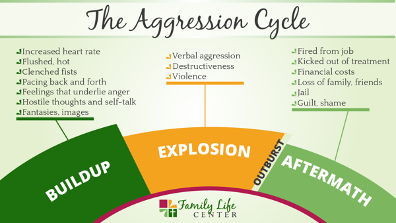
Stages of anger:
The stages of anger management can be considered as the steps that precede an angry emotional reaction. In these stages, the focus is on the length of time it takes for anger to unravel from its escalation to its aftermath. These are divided up into these three stages.
Types of anger:
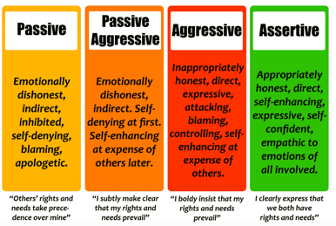
Research has shown that there are four different types of anger that help shape how we may react in a situation that makes us angry. These are:
Cognitive distortions (thoughts/beliefs) that may provoke anger:
- Personalising: Viewing another person's statement or actions as directed towards YOU when that person may not have specifically addressed your or your behaviour.
- All or Nothing thinking: Seeing things in extreme it is either black or white, all or nothing. There are no shades of grey. Seeing things as good vs bad, right, or wrong, success vs failure, always vs never.
- Negative filtering: Only seeing part of the situation and focussing on the most critical, negative, or threatening parts. The more positive aspects are ignored.
- Forecasting: Predicting what negative events or outcomes will occur in the future before it has even happened.
- Awfulising: Enlarging the most threatening parts of what happened or what someone said to you by exaggerating the awfulness and its impact on you. Reducing or discounting the most positive parts of what happened, minimising your ability to manage.
- Thresholding: Thoughts that limit what you think you can stand which makes it more likely that you will blow-up if these things happen. e.g., “If they say one more word, I'll lose it."
Strategies to manage anger
Outbursts of anger often result in regret and a wish that one could have expressed oneself differently. Whether you have chronic anger or occasionally outbursts, understanding how to control and reduce your anger makes potentially problematic situations easier by providing yourself with a healthy alternative to sometimes harmful reactions. Identifying and navigating this powerful emotion can lead to growth.
How to express anger:
- Expressing anger assertively : Clarifying your needs and how to achieve them without hurting others or appearing pushy
- Re-directed anger : Holding in your anger, ceasing to think about it, and concentrating on something positive can help redirect these feelings. Ensure you are in a safe space to express yourself to prevent negatively harnessing the anger
- Finally, you can calm yourself on the inside. This means not just controlling your outward behaviours, but also taking control of your internal responses, taking steps to lower your heart rate by taking deep breaths, and let the feelings subside
How to manage your anger:
-
Sleep: Sleep deprivation makes it harder to control angry impulses, so regular, healthy sleep can prevent you from being provoked.
-
Practice relaxation skills:
- Breathe deeply, from your diaphragm; breathing from your chest won’t relax you. Picture your breath coming up from your “gut.”
- Slowly repeat a calm word or phrase such as “relax,” “take it easy.” Repeat it to yourself while breathing deeply.
- Use imagery; visualise a relaxing experience, from either your memory or your imagination.
- Nonstrenuous, slow exercise like yoga can relax your muscles and make you feel much calmer.
-
Avoid the “catharsis myth”: Venting anger, acting with aggression, and viewing aggressive content does not tend to release anger effectively.
-
Consider alternative interpretations and identify possible solutions: Ask yourself what information is contributing to your interpretation of the situation and what approaches you can take on resolving the issue.
-
Exercise: Physical activity can help reduce stress and cope with feelings of anger. If you feel your anger escalating, go for a brisk walk, or run, or spend some time doing physical activity that you enjoy
-
Take a timeout: Timeouts aren't just for kids. Give yourself short breaks during times of the day that tend to be stressful. A few moments of quiet time might help you feel better prepared to handle what's ahead without getting irritated or angry.
How can I manage anger that’s warranted?
-
Distance yourself from the angering situation. This will help you stop ruminating and develop a clear path forward.
-
Think before you speak: In the heat of the moment, it's easy to say something you'll later regret. Take a few moments to collect your thoughts before saying anything. If your stress levels are too high, rescheduling the talk is most beneficial.
- Also allow others involved in the situation to do the same. If the other person raises their voice, lower yours.
-
Once you're calm, express your concerns assertively : As soon as you're thinking clearly, express your frustration in an assertive but nonconfrontational way. State your concerns and needs clearly and directly, without hurting others or trying to control them. Sitting down and modelling a relaxed posture may help as this commonly to lower stress levels.
-
Calmly asking for clarification can give you time to dampen your stress levels, plan a strategy and avoid misunderstandings.
-
Stick with 'I' statements: Criticising or placing blame might only increase tension. Instead, use "I" statements to describe the problem. Be respectful and specific. For example, say, "I'm upset that you left the table without offering to help with the dishes" instead of "You never do any housework."
- Also remember to take responsibility for your part in things.
-
Hold less grudges: Forgiveness is a powerful tool. If you allow anger and other negative feelings to crowd out positive feelings, you might find yourself swallowed up by your own bitterness or sense of injustice. Forgiving someone who has angered you might help you both learn from the situation and strengthen your relationship. Having a third person present who is neutral and objective and can help resolve the issues.
Dealing with anger and my studies
Anger management can make it hard to focus on studying for your exams and managing assignment deadlines, all of which can make doing well at university harder. However, there are lots of strategies you can try to help support you in your studies, you just need to find the right ones that work for you.
- Obtain social support: Having supportive people in your life is the key to anger management. This may mean reaching out to your existing network or confiding in a family member or distant friend can provide you with the social support you need.
- Take a break: It’s okay to step back from your studies to acknowledge and understand the overwhelming feelings you may experience throughout the day.
- Find activities that you enjoy: Ensuring that you have activities or hobbies that you can participate in can be a great opportunity as a break to your studies. Planning these throughout your week can allow yourself to focus your energy can help redirect your anger in a positive way.
University Support
If your anger is creating barriers that may affect your study or you want support to optimise your study then the WSU Counselling Service, Disability Service, or Student Welfare Service may be able to help.
Students can access free, short term, confidential counselling services. Face to face, Zoom or phone appointments can be made by telephoning 1300 668 370. Our office hours are Monday to Friday 9:00am - 4:30pm. Alternatively, you can email counselling@westernsydney.edu.au
The Disability Service is free to access with Disability Advisors assisting students to meet their full potential. If you have a diagnosed physical, psychological or medical condition that impacts on your studies, you may be eligible for an Academic Reasonable Adjustment Plan, developed by the Disability Service. Contact the Disability Service on 1300 668 370, email disability@westernsydney.edu.au, or make contact via WesternNow.
- WSU Welfare Service
Find support for academic, personal and financial hardship, international support and accommodation by calling 1300 668 370 or making contact via WesternNow.
Multifaith Chaplaincy can provide confidential conversation and care and support for stress management and anxiety with links to religious groups and faith communities. For more information, please call Daniel Jantos on 0402771543 or email d.jantos@westernsydney.edu.au.
- Disruption to Studies
Consider applying for Disruption to Studies and Requests for Extension if you feel as though your studies have been significantly impacted.
Deferred Exam – You can apply for a Deferred Exam no later than 5:00 pm on the second working day after your scheduled exam if you are unable to attend a final exam due to serious illness, misadventure or other exceptional circumstances beyond your control. Submit a Student Form and attach supporting documents online for application.
Withdrawal Without Academic Penalty is an option available after the Census Date of the teaching term provided that you meet eligibility.
A Leave of Absence is a temporary break from studying. Once you have completed one or more subjects in your enrolled program, you can apply for a Leave of Absence. A Leave of Absence can be taken as either six or twelve months. The maximum amount of leave you can take during your program is twelve months. Please note, you must submit your application before the relevant census date
If you are considering any of these options, please reach out to the counselling service for support and guidance. If you are an international student, please make sure you seek advice particularly if you are considering withdrawing without penalty or taking a leave of absence as these may have implications for your visa conditions.
Community Support
- Lifeline (24 hours crisis counselling) - 13 11 14
Lifeline SMS Counselling Service - Between 6pm and midnight you can text 0477 13 11 14 and somebody will text you back! You can find more information here. - Mental Health Telephone Access Line - 1800 011 511
This Mental Health Line is staffed by mental health professionals that can help and provide you advice about your needs and discuss referrals to local mental health services. It is available to everyone in NSW and operates 24 hours a day, 7 days a week - Anger management counselling and course – ‘Life Supports’ offers anger management counselling to help you take control of your anger, and live fulfilling, balance life. Recent studies have shown that 76% of clients report a medium to long-term improvement after a brief course of anger management counselling. Instead of reacting aggressively to situations, you will learn how to safely release your anger. Rather than hurting or alienating your partner, family, or friends, you will develop ways to process anger safely, and express yourself more effectively.
- Relationships NSW - Offers a session called ‘Managing Anger’ which is an 8-session group for people who need help and support for their anger-related issues. It is suitable for individuals who want to identify the signs of anger and help them learn how to manage their own anger as well as anger from others.
- Health Direct - Provide resources that describe what anger is, signs and symptoms of anger and how to control it.
- Mensline Australia – offer resources on anger management and an anger management toolkit to help you better manage that is available free for both men and women. It also offers a renovate your relationship manual for men to assist those who may overlook problems in their relationship that cause anger and how to recognise the signs to prevent an outburst.
- Headspace – provides information of dealing with anger for family and friends in relation to helping identify triggers, setting boundaries around aggressive/angry behaviour, model health way to manage anger and help in seeking professional help.
- Interrelate – offers a course that assists participants in making healthy choices when dealing with anger and its effects on relationships.
- Mind remake project - This resource list for anger management includes 75+ articles/guides; free anger assessments (both interactive and PDF formats); free printable workbooks, manuals, handouts, and worksheets; treatment planning resources; research articles/dissertations; and recommended mobile apps.
- Australian Psychological Society (APS) - provide resources that describe what anger is, aspects of anger, what causes anger and treatment options.
- SAMHSA – has information about possible signs of anger, ways to cope after disasters as well as signs that you may need professional behavioural health help.
- Coursesity – Provides multiple free anger management tutorials and online courses for you to choose which one is best for you!
Resources
Podcasts
Ep. 30: 7 Ways Past Anger
Dr. Rick Hanson and Forrest have a discussion about ways to address and work with anger that is beneficial in the long term. Listen on Apple Podcasts or Spotify.
Videos
- Anger Management Techniques
- Anger Management Part 1 | Counselor Toolbox Podcast with Dr. Dawn-Elise Snipes
- Anger Management Tools Part 2
Apps
-
AIMs is among the best anger management apps to cope with anger and emotional outburst. Even though it is designed for members of veterans and military service, you can use this app to help solve your anger issue. This app is based on self-help course of AIMS.In this app, you can find not only education about anger but also the ability to create management plan for your anger. It also helps you analyse opportunities to find support, get anger tracking, and use special tools to manage anger.
-
Headspace is a perfect guide to health and happiness. It is a simple way to let go of stress and get a better night’s rest. Headspace teaches you how to meditate, breathe, and live mindfully. It is a perfect anger management app with hundreds of guided meditations and mindfulness techniques.
-
HeartsApp is a great popular anger management apps developed by Heartfulness. It helps you work on controlling your temper, set targets, track your progress and work towards leading a healthy and happy lifestyle. You can also use it as day planner apps to set weekly targets, track your progress, and others.
-
Amaha is a great anger control app with six self-care courses that fit a range of mental health issues, from depression to anxiety, anger, and stress. You are encouraged to self-heal by finding your strength and resources which has been proven effective to enhance overall mental health.
-
Smiling Mind has some wonderful mindfulness resource and there is a specific program on anger management as well as a program designed for students that I would recommend for you.
-
Simple Habit is a 5-minute meditation app designed to help busy people stress less, achieve more, and live better. Their sleep & wellness therapy sessions offer meditations, coaching, motivational guides, and bedtime stories by world renowned experts, personalised for the way you live your life. Simple Habit will help you feel less stressed, get a better sleep and be your best self whether you only have 5 minutes or 30 minutes.
-
10 anger management tips is a great app to manage and control your emotions. It comes packed with simple and applicable management tips, ensuring its effectiveness in any situations. It is also suitable for adults and teenagers. In addition to tips, it has wise quotes about stress, anger, and anxiety, from which you can learn wisdom
- (iOS)
-
Quit Anger is a useful app to control and manage your anger. It features anger log that records your trigger, anger level, and warning signs. Whenever you get mad, input new entry so you can analyse what makes you angry and how bad it is. To help you control anger, this app comes packed with tools like breathing exercise and mindfulness meditation. Set your goal and use your favourite tools to achieve the goal. It also comes with insight report containing information about your anger such as level, triggers, and treatment.
- (iOS)
-
Calm is one of the best sleep, meditation, and relaxation apps. Users can choose from hundreds of mindfulness programs and more than 100 exclusive sleep stories with a 10-minute program daily to help ease you into the day or unwind with before bed. You can also use it as stretching app for mindful stretching and movement with exclusive music engineered to relax your body during the day
Still struggling?
If you are still struggling, reach out to the WSU counselling team for support and advice. If you prefer to seek support from a service outside of the university, it may be helpful to speak to your General Practitioner regarding a Mental Health Care Plan and referral to a psychologist, or you can speak to a counsellor or other health professional. Remember you are not alone and there will always be someone out there who is willing to stay with you through your hard times.