Happy Teeth Project
Better oral health for people with intellectual disability

About the Happy Teeth Project
The Happy Teeth Project is a five-year research project working to improve oral health for people with intellectual disability.
Good oral health is an important part of overall health and wellbeing. However, people with intellectual disability can experience more oral health problems and may face barriers to getting the care and support they need.
The project brings together people with intellectual disability, families and carers, disability support workers, disability service providers, oral health professionals and researchers. People with intellectual disability help guide the project throughout.
The Happy Teeth Project will learn more about the oral health needs of people with intellectual disability and the factors that can affect their oral health. We will use this knowledge to work together to develop and test practical ways to improve oral health support and care.
The project is led by Western Sydney University, with Professor Nathan Wilson as the Chief Investigator Lead. This project is funded by the Australian Government through the Medical Research Future Fund (MRFF). The MRFF supports research that aims to improve the health and wellbeing of Australians.
Our research
The Happy Teeth Project is a five-year research project that aims to improve preventive oral health care for people with intellectual disability.
The research brings together lived experience, oral health assessment, health and service information, co-design and implementation research. Findings from each phase will inform the next phase of the project.
Research objectives
The Happy Teeth Project has four core objectives:
- Understand oral health and what influences it
Measure oral health, identify personal and wider factors that may affect oral health, and examine the costs of current care. - Co-design an oral health resource
Work with people with intellectual disability and other partners to develop a systems-based oral health education and action resource designed to work across the disability support system. - Refine and implement the resource
Test and improve the resource, then introduce it across our six disability service partners. - Evaluate how well it works
Find out how the resource is used, what difference it makes, what it costs and whether it provides good value.
What we are doing
The Happy Teeth Project is being carried out in four phases over five years. Each phase will help us better understand oral health for people with intellectual disability and develop practical ways to improve support and care.
Listening to experiences
We began by asking people with intellectual disability what oral health means to them. We also asked what helps or makes it harder to care for their teeth and mouth.
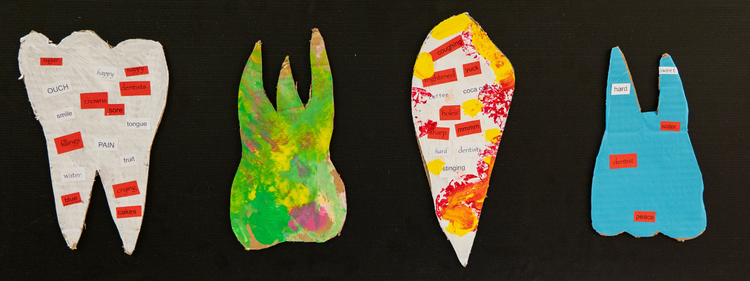
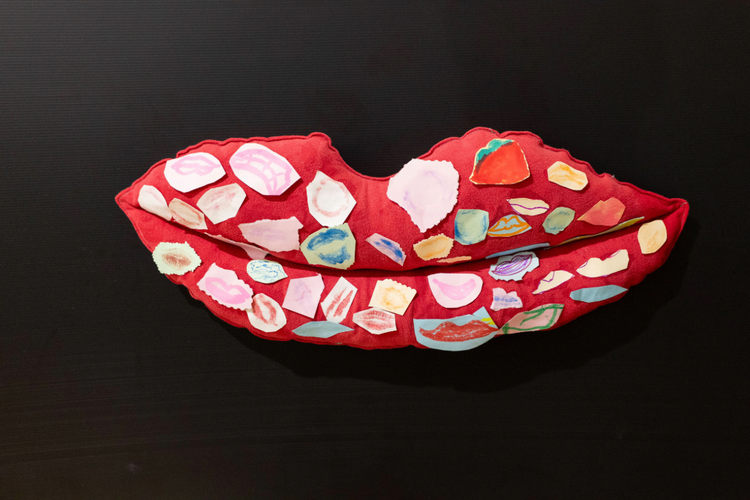
As part of this work, we held arts-based workshops in June and July 2026 where participants shared their experiences and ideas through discussion, creative activities and artwork.
Learning about oral health
We will carry out an oral health survey with people with intellectual disability.
The survey will help us learn more about oral health, oral health care experiences and the factors that may affect oral health. It will include questions about health and daily life, photos of the teeth and mouth taken using Smilo.Ai, an app that uses artificial intelligence (AI) to help assess oral health, and a simple oral health check.
Designing solutions together
We will use what we learn from the workshops, survey and other parts of the research to co-design an oral health education and action resource.
People with intellectual disability, families, support workers, disability service providers, oral health professionals and researchers will help shape the resource so it is practical, useful and suited to the disability support setting.
Putting the resource into practice
In the later phases of the project, we will introduce the co-designed resource within disability services.
We will look at how well the resource works, how practical it is to use, and whether it helps improve oral health support and outcomes for people with intellectual disability.
What we learn will help guide future work to improve oral health care and support for people with intellectual disability across Australia.
People with intellectual disability at the centre
People with intellectual disability are at the centre of the Happy Teeth Project.
Their experiences, ideas and priorities help guide the research and shape the work we do. We want the project to reflect what matters to people with intellectual disability and include their ideas in important decisions.
Lived Experience Advisory Group
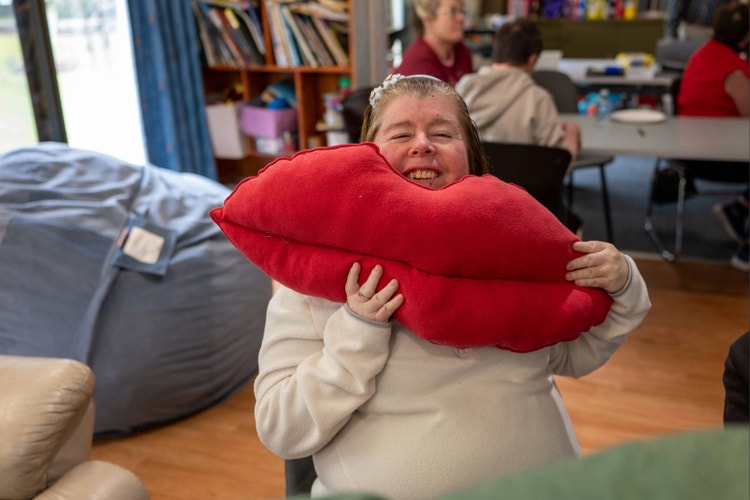
The project has a Lived Experience Advisory Group (LEAG).
The group includes people with intellectual disability, family members and carers, and disability support workers. The group aims to meet every two months throughout the project to share ideas, provide feedback and help guide important decisions.
The LEAG contributes to areas such as project materials, communication, research activities, recruitment, accessibility and how project findings are shared.
Co-designing the project
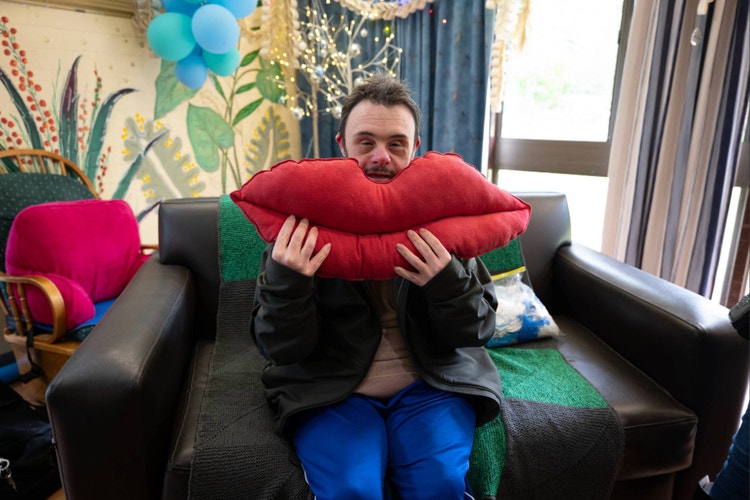
We use co-design to help make sure the research is useful, accessible and relevant.
Co-design means working together with people who have lived experience, rather than researchers designing everything on their own.
People with intellectual disability and other people with lived experience help us develop ideas, review materials, identify what is important and shape the oral health education and action resource that will be developed later in the project.
Lived experience is included throughout the project, from research planning and communication to workshops, co-design and sharing our findings.