Women's Health Week 2026
This Jean Hailes Women’s Health Week, NICM Health Research Institute is recognising the importance of research that listens to women, addresses longstanding gaps in knowledge and care, and helps improve health and wellbeing across every stage of life.
Women’s health has historically been under-researched, underfunded and, in many areas, poorly understood. Conditions that predominantly or disproportionately affect women can take years to diagnose, while symptoms associated with menstruation, reproductive health and menopause have too often been normalised, dismissed or inadequately treated.
Jean Hailes Women’s Health Week provides an important opportunity to bring these issues into focus, encourage conversations about women’s health, and empower women with evidence-based information to make informed decisions about their health.
At NICM Health Research Institute, women’s health is an important area of research, with researchers investigating some of the complex and often overlooked health challenges experienced by women throughout their lives.
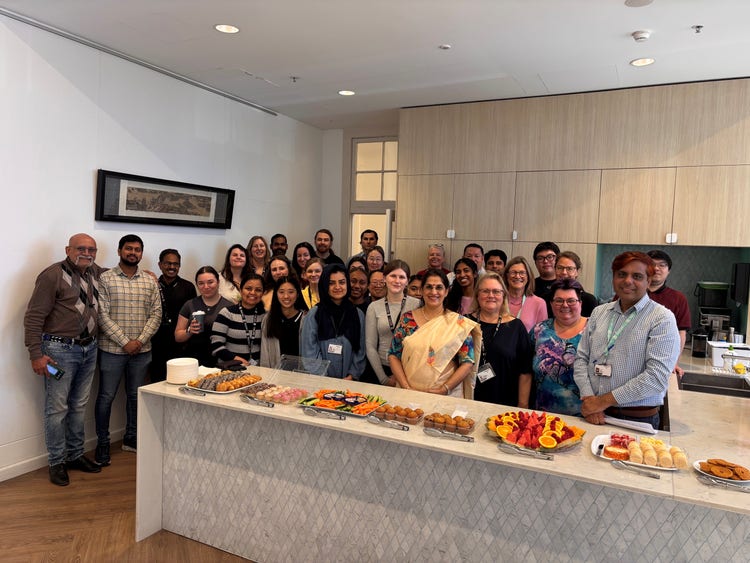
Researching the health issues that matter to women
Current NICM research spans menstrual and reproductive health, endometriosis, menopause, cognitive health, lifestyle and integrative healthcare.
Our researchers are currently investigating:
- Menstrual health and period testing
A clinical trial exploring web-based menstrual period testing and information to better understand menstrual health and help address gaps in knowledge and care. Learn more
- Movement and exercise for menstrual health conditions
NICM researchers are developing and evaluating an online education resource designed to support people with menstrual health conditions to better understand movement and exercise. Learn more
- Improving care for endometriosis
Shared medical appointments for Endometriosis trial is exploring a different model of healthcare, bringing together medical care, health education and connection for people living with endometriosis. Learn more - Non-invasive brain stimulation trial for endometriosis surgery recovery
This trial is investigating whether a non-invasive brain stimulation device, used at home by women undergoing endometriosis surgery, may help support recovery following surgery. - Pelvic health physiotherapy for the management of endometriosis
Researchers are exploring the experiences and perceptions of pelvic health physiotherapists for endometriosis .
- Menopause and cognitive health
The MENOCOG Study is investigating whether creatine supplementation may support cognitive health in postmenopausal women, contributing to a growing area of research into brain health during and after the menopause transition. Learn more
- New approaches to menopause-related cognitive symptoms
The MenoStim study is investigating non-invasive brain stimulation as a potential approach to cognitive symptoms associated with menopause, including difficulties with memory and concentration. Learn more
These are just some of the women’s health research underway at NICM and demonstrates the commitment of our researchers to building the evidence needed for better information, healthcare and health outcomes.
Turning research into accessible health information
Closing gaps in women’s health is not only about generating new evidence. It is also about ensuring women can access reliable, understandable information about their health.
To mark Women’s Health Week, NICM is sharing this free downloadable women’s health resources:
Menstrual Myths
Periods are a normal part of life, but there are still plenty of myths and misconceptions surrounding menstruation. While closing gaps in women’s health is essential, ensuring women can access reliable, evidence-based and understandable information about their health is just as important.
To separate fact from fiction Associate Professor Mike Armour, NICM Principal Research Fellow in Reproductive Health, international expert in period pain and author of more than 140 peer-reviewed publications on women’s health, has developed Menstrual Myths, a free online fact sheet.
Menstrual Myths is designed for anyone who menstruates, as well as anyone who cares for, lives with or supports someone who does. It’s free to download, read and share below.
For more in depth information go to www.menstruationmatters.com.au
Women’s health deserves attention
Women’s Health Week creates an important moment to start conversations, share knowledge and encourage women to prioritise their health. It also reminds us of the work still to be done.
Through research and the translation of evidence into practice, NICM researchers are helping build a stronger evidence base for women’s health – and working towards a future where their experiences are heard, understood and better supported.