Research Focus
| Cards(media) | |
|---|---|
|
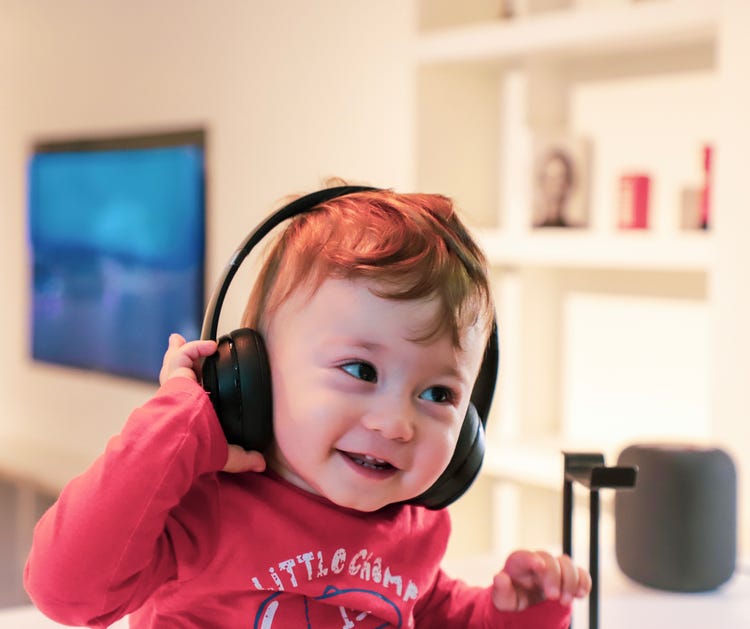
In the first months of their lives, babies face the challenging task of learning the sounds of their language. They appear to succeed in this task effortlessly, mastering the sound inventory of their language before their first birthday. However, this task is not easy because babies encounter a lot of variability in the language that they hear (e.g., different talkers, different languages, different accents). Here we study how babies learn about the sounds that are relevant for their native language or languages in the first months of their life. |
|
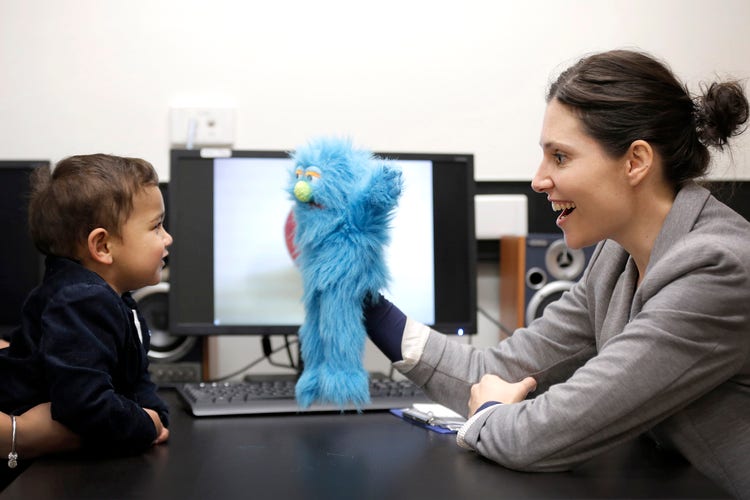
A babies' first encounter with language occurs via listening to their caregivers' speech. Talking to babies Babies start listening to the speech of their mother while they are still in the womb. During the first years of the baby's life, caregivers continue using a special type of speech when addressing their young babies known as infant directed speech or baby talk. At the MARCS BabyLab we study how infant directed speech may assist babies in the challenging task of learning their language. |

|
Around the age of two years, babies can understand several hundred words of their language or languages. Here, we study the strategies that they use to identify words in the speech that they hear around them and to learn their meaning. |
|
Babies Learning About the World A babies' first encounter with language occurs via listening to their caregivers' speech. Talking to babies Babies start listening to the speech of their mother while they are still in the womb. During the first years of the baby's life, caregivers continue using a special type of speech when addressing their young babies known as infant directed speech or baby talk. At the MARCS BabyLab we study how infant directed speech may assist babies in the challenging task of learning their language. |
|
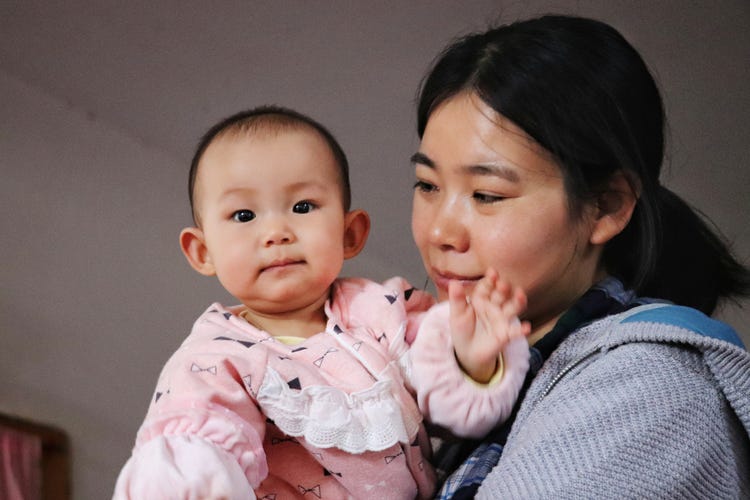
Different Experiences in Language Learning A number of environmental and genetic factors can impact infants' early language abilities. Here, we study language-learning processes in babies who are learning more than one language from birth, babies who are at-risk for a cognitive (e.g., dyslexia, Autism Spectrum Disorder, Specific Language Impairment) or sensory disorder (e.g., hearing impairment). |
Research