Past Projects

2168 Children’s Parliament Evaluation.
Forty Parliamentarians (aged 9-12 years old), from the Liverpool local government area, are actively engaging in civic life by increasing their knowledge and understanding of their rights and responsibilities. In turn, our team is reflecting on the Program’s and its potential.
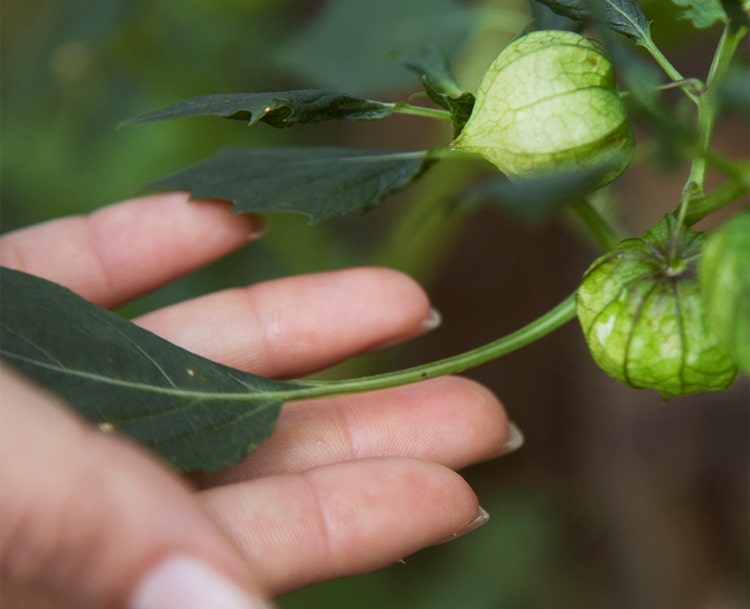
Australian Migrants and Environmental Values: How and Why do Certain Migrants Practice Care?.
This project is designed to provide an in-depth picture of Australian migrants who care about the environment, how they came to do so, and what these practices of care constitute in terms of a) everyday practices; b) activities during environmental catastrophes such as bushfires.

Who do young people contact first when they face mental health challenges and how do they support each other? This research examines the role of friendships in mental health care and how young people support each other when facing mental health challenges.

Challenge Accepted? Young people, online risks and supporting their safety.
Online challenges, often shared through social media platforms, are particularly with young people. This project provides parents and decision-makers – across corporate, government and non-government sectors – with the information they need to support young people to participate in positive and safe online spaces.

Child Centred Indicators for Violence Prevention: A Living Lab.
What sparks violence? We are working with children and adults to gather their views on violence; what needs to change, who needs to change it, and how we can measure and end violence against children.
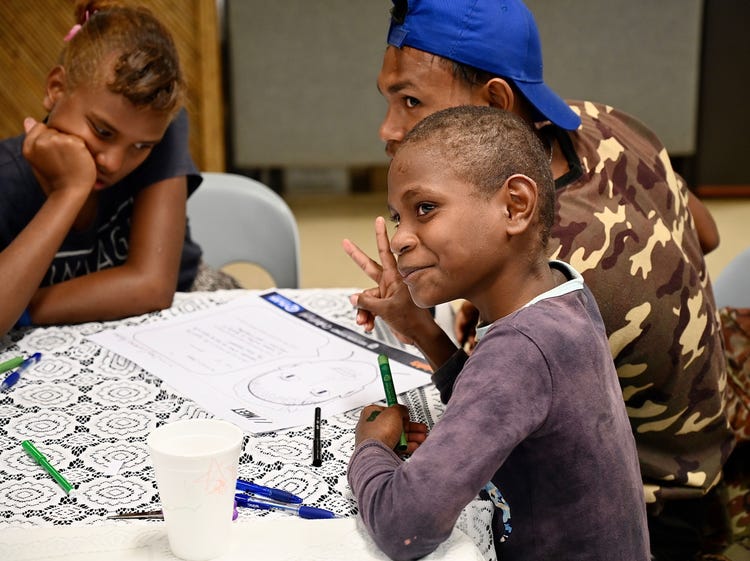
Children and Online Safety in the Pacific.
Children, their families, and adult stakeholders in the Solomon Islands, Papua New Guinea, Kiribati and Fiji are helping us to map the challenges and opportunities presented by increased access to technology in the Pacific, to inform future child protection interventions and programs.
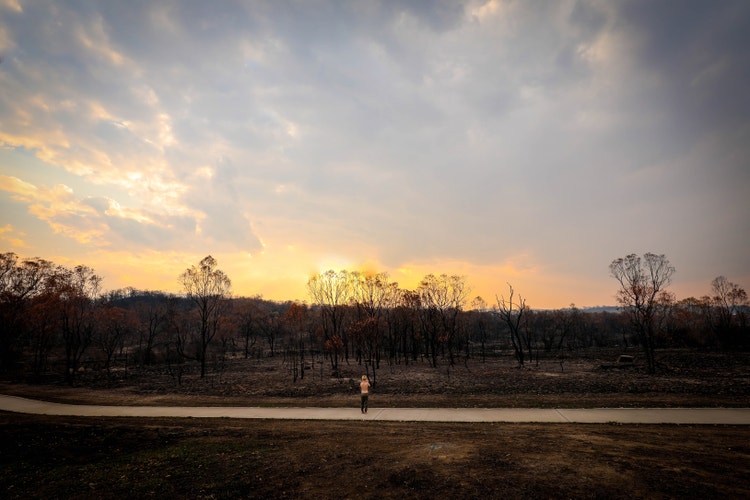
Children, young people and climate change: developing child-centred indicators for climate justice.
A collaboration with UNICEF Australia to understand the views of young people in NSW on climate change and to co-develop child-centered indicators for climate justice.
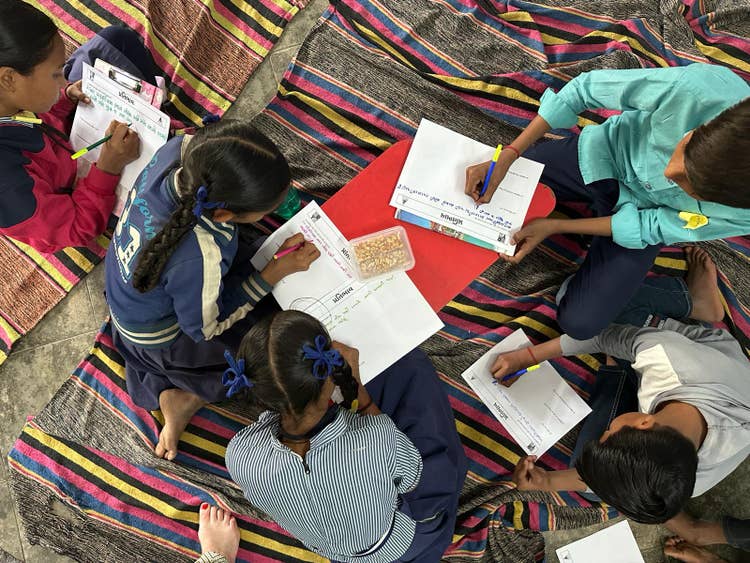
Culture-Centred Framework for Ethical Digital Design: Foregrounding Young people’s Perspectives.
A collaboration with MICA and the SEJIWA Foundation to create a clear framework to inform culture-centred, ethical design of global digital services and products targeted to young people.

Digital Inclusion for Online Learning.
While the pandemic highlighted the critical role technology plays in children’s lives, not all Australian children have reliable access to technology. In this research project, we carried out a pilot project with three schools in Western Australia, conducting workshops, interviews and surveys with students, parents, and school staff from which we identified key barriers and enablers for digitally inclusive online learning at the individual, interpersonal, organisational, and infrastructural levels.
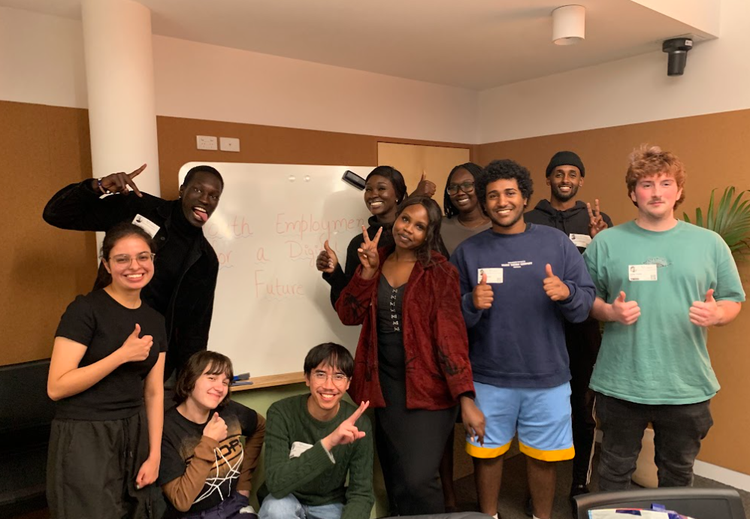
Enhancing Digital Participation Amongst Refugee and Migrant Background Youth.
This research aims to investigate and identify the factors that can enhance digital participation amongst refugee and migrant background youth in Victoria, Australia. It aims to empower young people in their work, education, socialising and health.
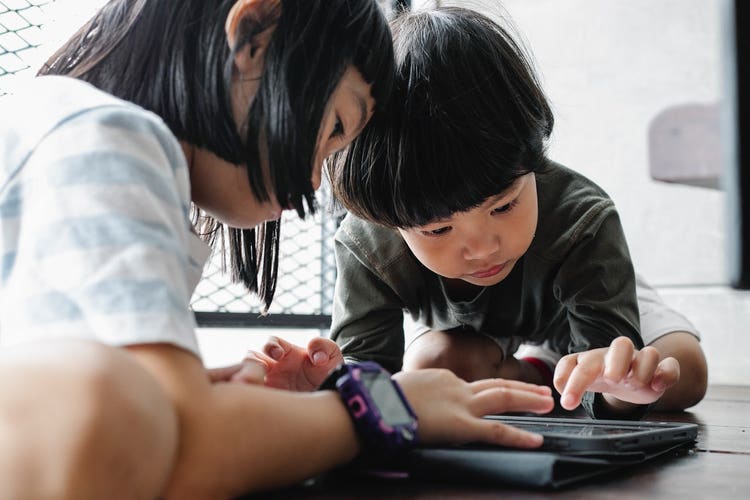
Evaluating Online Safety Education: A Framework.
We teamed up with UNICEF EAPRO consultants and children to research cyberbullying and online grooming indicators, and develop an indicator framework to understand if interventions result in behaviour change for child online protection.

Exploring Australian intergenerational social media perspectives.
This project aims to understand how social media is integrated into everyday family life, the drivers of parental concerns surrounding young people’s social media use, identify support needs for diverse families, and explore the impact of restrictive social media policies.
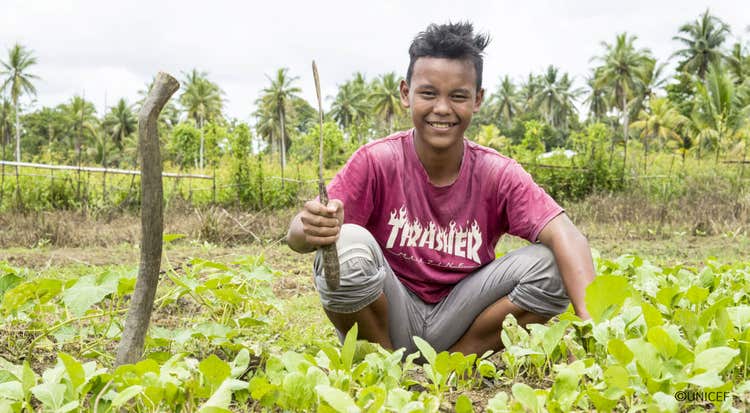
FIX MY FOOD: Children's Views on transforming food systems.
More than 700 children and young people, from 18 countries, are calling on political leaders and public and private-sector stakeholders to work across all levels of society to strengthen food systems. Find out what they have to say about food systems, the key challenges to eating nutritious, safe, desirable, and sustainable food, and the improvements they feel are necessary for the 21st century. Their voices and the findings of this project will contribute to the UN Food Systems Summit (UNFSS) in 2021, presented as part of UNICEF’s global Food Systems Dialogues with children.
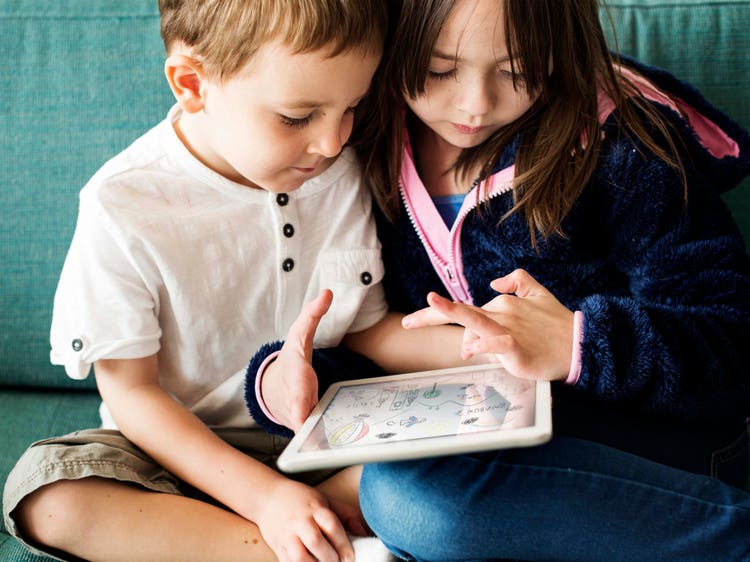
How is technology impacting the rights of young people? Together with our partners, we’re consulting 709 children in 27 countries to answer this in a General Comment for the UN Committee for the Rights of the Child.
This project explores diverse experiences of hope for Australian young people, including the relationship between hope and resilience in different cohorts of participants. It extends on the results of the 2021 UNICEF Australia report (‘Children’s Voices in a Changing World’), contributing to a more extensive research base on young Australians’ hope in a post-pandemic context.
In Real Life: Digital ethics and participation, reimagined by and for young people.
We're co-designing resources with young people for delivery in schools, ensuring that content is relatable and relevant. In Real Life resources will improve the delivery of online safety education by offering genuinely youth-centred, freely available and inclusive content to young people across Australia.
International Telecommunications Union (ITU) Child Rights Taskforce.
Online challenges, often shared through social media platforms, are particularly with young people. This project provides parents and decision-makers – across corporate, government and non-government sectors – with the information they need to support young people to participate in positive and safe online spaces.

Investigating Violence Against Children Online.
Children in Cambodia, Malaysia, Kenya and Tanzania are informing UNICEF’s Disrupting Harm survey tool by sharing their experiences with digital technology experiences and online safety.

ITU Child Online Protection Initiative.
We collaborated with partners around the world to co-produce the Child Online Protection Trainings. The online self-paced trainings we developed are aimed at children (aged 9-12, 13-15 and 16-18) and cover the topics of Harassment, Mis/Dis information and Privacy.
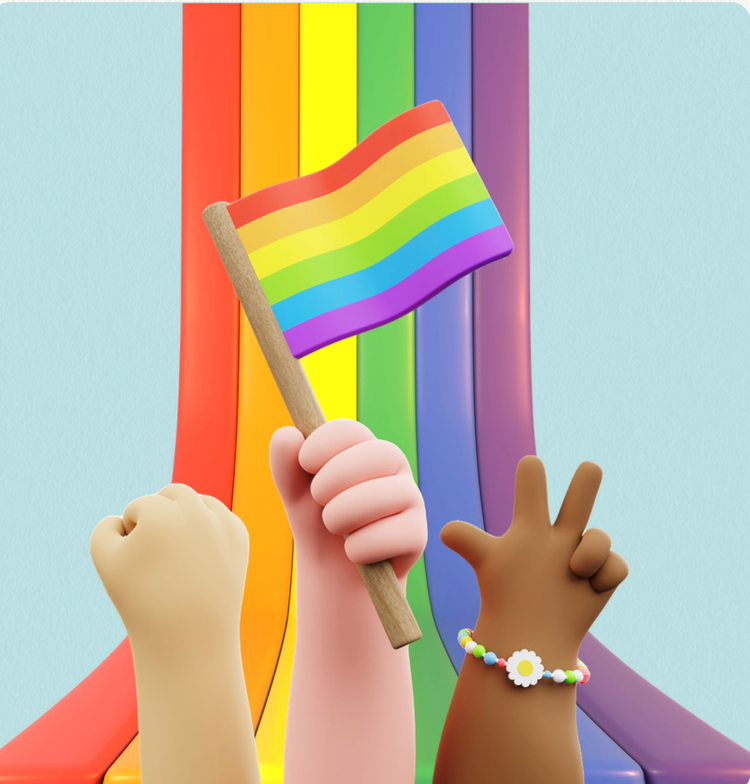
Researchers, young people from rainbow families and LGBTQ+ advocates are coming together to develop a resource to connect young people with other rainbow families, and to value and celebrate the diversity in these families.

Mapping participatory research tools for ethical and inclusive research with children.
This project will support researchers who are working with children in diverse settings to develop appropriate and ethical approaches to engage children in meaningful research, drawing on tried and tested tools.
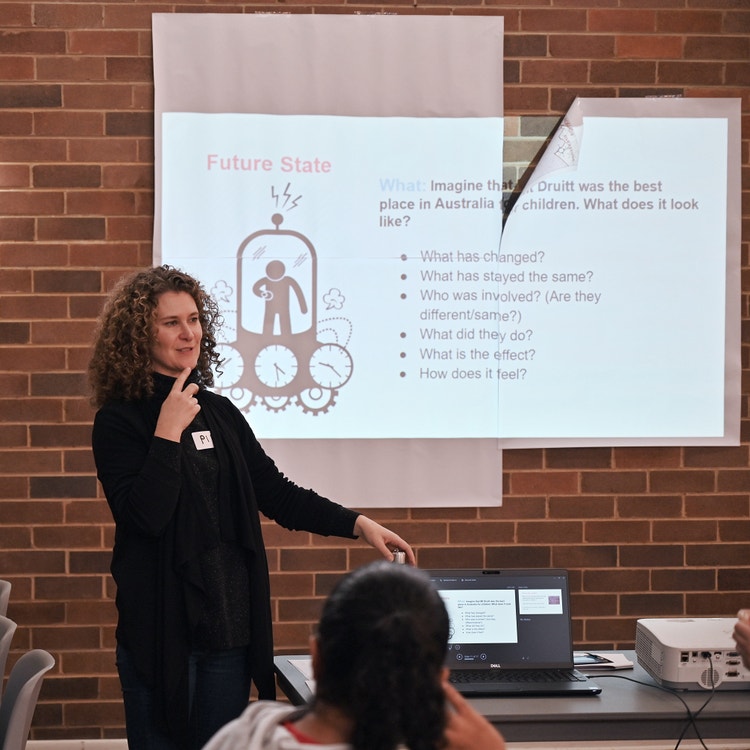
Mount Druitt Working for Children Living Lab.
Mount Druitt Working for Children Living Lab Exploring ways to increase child-friendly practices among services and engaging the voices of children and the community in decision making.
Navigating uncertainty: Australian young adult investors and digital finance cultures.
As investing becomes more accessible for younger investors through emerging digital products and services, industry groups and regulation bodies are concerned about increasing numbers of inexperienced young adults starting to invest. Responses to these concerns have focused on media regulation and better financial education to address financial literacy gaps and reduce harm from financial losses. However, these interventions may be misdirected or inadequate without understanding the experiences and needs of young adult investors.
Office of the eSafety Commissioner Youth Engagement Strategy.
A series of youth consultations have been conducted to develop the eSafety Commissioner’s Youth Engagement Strategy. The Strategy ensures young people have a right to be part of the decision-making process for policies and programs that impact their lives.

Protecting Children from Online Grooming.
To prevent Online Child Sexual Exploitation and Abuse (OCSEA), we’re working with Safe the Children to explore children’s perceptions of online grooming, as well as their help-seeking and protective behaviours. Our research findings will be shared with technology platforms and developers of online safety training programs to improve the effectiveness of their child safety efforts.

Responsible Innovation in Technology for Children: Digital technology, play and child wellbeing.
We're working with 318 children across 12 countries to understand what digital play and wellbeing means to them. The report aims to inform the design of digital products and services used by children, as well as the laws that govern them. It includes a wellbeing framework for children, made up of eight child-centric wellbeing outcomes.

State of the Youth Sector (NSW).
Our team is working with Youth Action to gather the views of youth services directors, managers and youth workers. This snapshot of the youth sector informs policies, and advocates for the value of these services.
The Power of Recognising More in Education: Youth Perspectives for systems change.
This project aims to identify and explain how young people experience learning both inside and outside school. The outcomes of this research will add to the emerging evidence addressing the connection between the way young people's skills are recognised (beyond just academic measures), their experience in school, and what they choose to do after school.

UNICEF State of the World’s Children 2019 Consultation with Children.
Our team is designing the methodology and analysing the results for the State of the World’s Children report, in partnership with UNICEF. Mother and adolescents from 18 countries share their food and nutrition experiences.

Wellbeing, Health and Youth: Centre for Research Excellence in Adolescent Health.
The views and needs of young people are being brought to the forefront, to support better adolescent health research. This project brings together diverse young people, families, professionals, policy-makers, service providers and other community members.
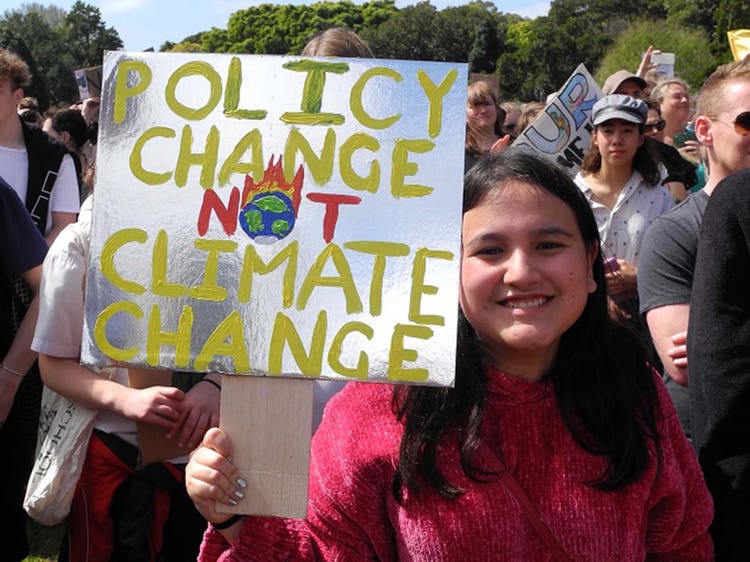
When People Protest: Understanding and explaining participation in global climate protests.
Australian young people explain their key motivations for taking part in the Global Climate Strike protest, sharing their expectations of how climate change can be addressed, and informing public and policy debate.
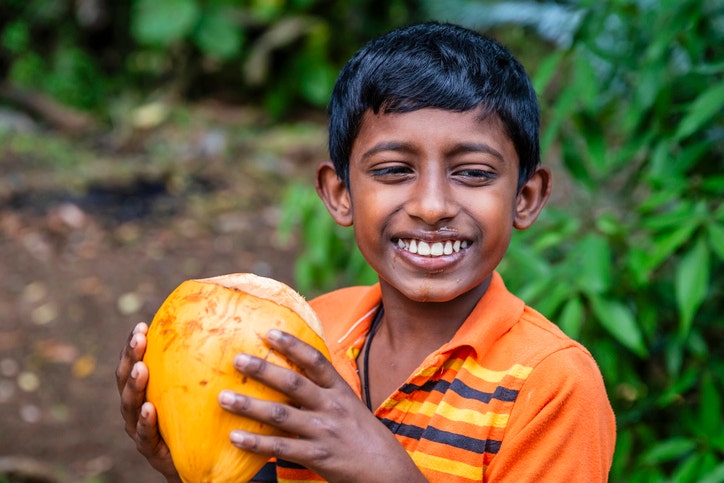
World Vision CHAMP Child-Led Research.
This project will work with youth leaders in five countries across the South Asia Pacific region (Bangladesh, Indonesia, Nepal, Philippines and Sri Lanka) with the aim of equipping them with the knowledge and skills needed to advocate for practical action to address hunger and malnutrition in their countries.

Young People and Democracy: What Matters?.
What issues concern young people in Australia? How do these relate to mainstream political debates? What can politicians and other decision-makers learn from young people? Young people have submitted more than 24,500 essays to the Whitlam Institute, answering these questions and more. We’re reviewing their responses to ‘What Matters?’
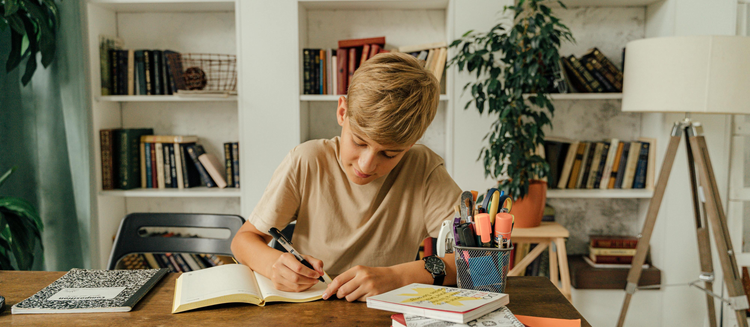
Young People and Democracy: What Matters?.
This project will generate valuable new knowledge on young people’s politics which will contribute to both democratic theory and practice. It involves quantitative and qualitative textual analysis of archived entries to the ‘What Matters?’ annual competition hosted by the Whitlam Institute within Western Sydney University.

Youth, Diversity and Wellbeing in a Digital Age.
The Youth, Diversity and Wellbeing in a Digital Age project aims to establish effective mechanisms for strengthening civic engagement and social belonging amongst a diversity of young people.
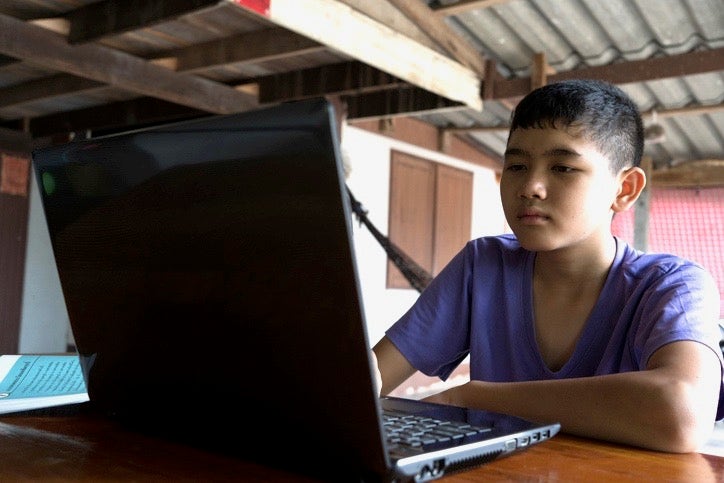
Examining Youth Digital Wellbeing in Australia and the Philippines.
This project examines young people’s experiences of digital health interventions across Australia and the Philippines. By working closely with professional stakeholders and young people in each country, the project will co-design and co-develop targeted public health messaging, practitioner guidance and support as well as policy frameworks that enable youth health and wellbeing.
The batyr programs: Promoting Young People's Wellbeing.
Our team has designed an appropriate and exciting approach to rigorously evaluate the batyr mental health support and prevention programs for schools and universities. The aim of this project is to provide the best quality data and insights to provide the basis for a sustainable plan for longer term evaluation.
The Digital Experiences of Australian Youth.
This project will build upon Telstra Foundation’s Australian Youth Digital Index survey to capture children and young people’s engagement with digital technology.