Internet and Inclusivity: What the World Is Missing by Leaving Out Children
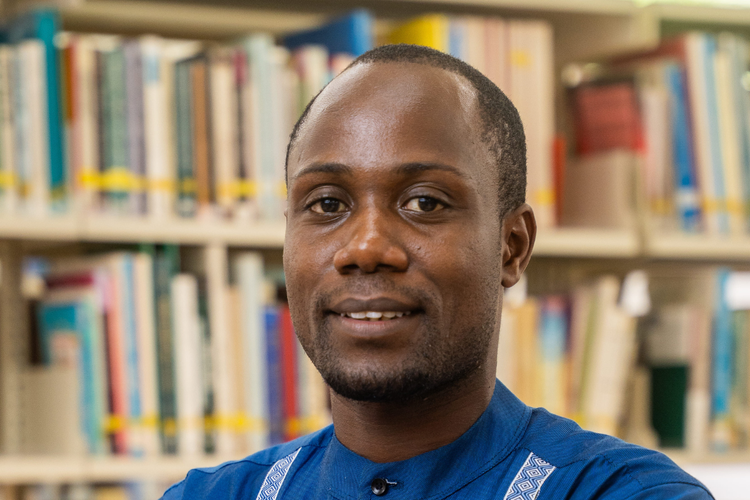
by Thierry Tuyizere, Y&R Youth Co-researcher - Rwanda
The internet has transformed how people communicate, learn, work and access services. From the invention of the World Wide Web to today’s era of artificial intelligence (AI), each stage of its development has opened opportunities that were once out of reach.
The internet has transformed how people communicate, learn, work and access services. From the invention of the World Wide Web to today’s era of artificial intelligence (AI), each stage of its development has opened opportunities that were once out of reach.
The digital infrastructure behind these advances has made information more accessible, communication faster and everyday life more convenient. Education, employment, transportation and healthcare now depend on digital tools. People have gained new knowledge, developed new skills and changed their lives because of them.
These developments are worth celebrating. But who is shaping the digital spaces we use every day? And whose experiences, needs and perspectives are considered along the way?
I had not given these questions much thought until I joined Decolonizing Digital Designs as a Youth Co-Researcher. The project, led by Western Sydney University through its Young and Resilient Research Centre, explored what children and young people think it means to design digital initiatives that are inclusive, just and safe.
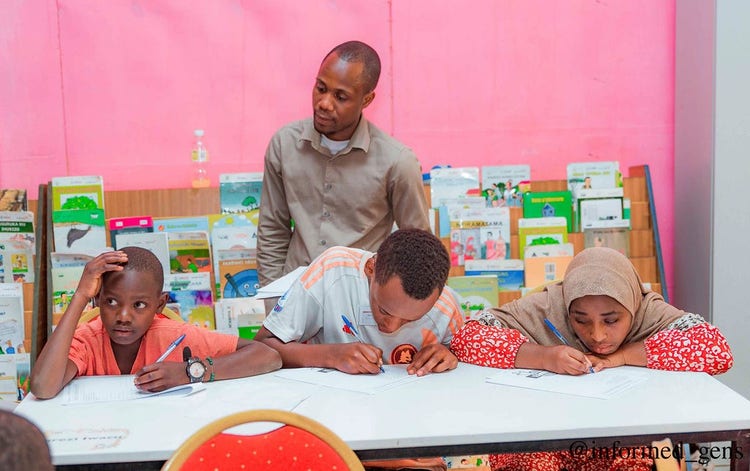
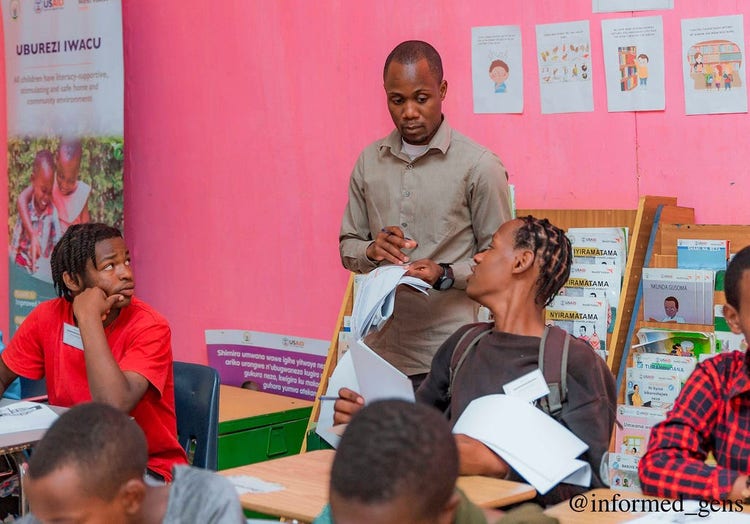
My role involved developing data collection materials in my local language, kinyarwanda, collecting data and supporting other research activities, but it also became a learning experience. It challenged my assumptions about how young people use the internet and showed me what we risk missing when they are left out of conversations about digital design.
Beyond the Urban-Rural Divide
I used to associate internet use mainly with cities, where connectivity and devices are easier to find. The children and young people I met during the research challenged that view. In both rural and urban Rwanda, they are online.
Their experiences are not identical. Connectivity, access to devices, digital skills and opportunity all shape how they use the internet. But access is only one part of digital inclusion. Young people also need to feel that they belong in these spaces, that they can express themselves and that they are safe. That means environments that respect their cultures and reflect their realities.
If young people are present online, they should also have a say in how those spaces are created and improved.
Young People Are More Than Internet Users
What stayed with me most was the moment children and young people were asked to share ideas for apps they would like to create. Their ideas were stunning.
They surprised me not only because I doubted their abilities, but also because of the creativity and insight they demonstrated when given the opportunity to contribute. They were not simply thinking about how to use existing platforms; they were imagining and designing possibilities for making digital spaces more inclusive, culturally relevant and safe.
What struck me was not just that young people could imagine creating apps, but that they could contribute ideas about how digital spaces should look and feel to the people using them. It made me reflect on how easily we can underestimate their ability to identify problems and imagine solutions when we do not give them the opportunity to speak.
Their ideas reminded me that young people do not have to wait until they become adults to contribute to the digital future. They already have experiences and perspectives that can help shape it.
This leaves an important question: what are we missing when we design platforms for young people without meaningfully involving them in the process?
Too often, children and young people are treated primarily as users of technology rather than as people who can help shape it. Yet, they have experiences, ideas and perspectives that adults and technology developers may not fully understand without listening to them directly. Their contributions can reveal needs that might otherwise be overlooked and challenge assumptions about what inclusion and safety mean in their everyday online experiences.
Their involvement should not stop at testing a finished product. Where possible, children and young people should have opportunities to contribute from the earliest stages of design through development and evaluation. Their perspectives can help inform how digital spaces function, whose cultures and experiences they represent, and how they protect the people who use them.
Building a More Inclusive Digital Future
My experience as a Youth Co-Researcher in Decolonizing Digital Designs was eye-opening. It reminded me that creating inclusive digital spaces requires more than technological innovation. It requires us to question whose voices are heard, whose experiences shape decisions and who might be left behind when those decisions are made.
It also made me reflect on whose realities are treated as the norm when digital spaces are designed. A platform may work as intended from a technical perspective and still fail to reflect the cultural experiences of the people using it. Making digital spaces more inclusive therefore requires us to look beyond whether technology works and ask whether it works meaningfully for different communities.
I hope the insights gathered through this research will contribute to recommendations that encourage digital designers and other decision-makers to rethink how they engage with children and young people. Meaningful inclusion begins with listening to them, recognising their capacity to contribute and creating opportunities for their perspectives to influence decisions.
Of course, involving children and young people in digital design requires more than simply asking for their opinions. It means creating safe and age-appropriate opportunities for them to participate, listening to their contributions and showing how their ideas can influence decisions. Their participation should be meaningful, not merely a formality. Adults, technology developers, researchers and decision-makers all have a role to play in making this possible.
As the internet continues to evolve and new technologies emerge, progress should not come at the expense of inclusion, cultural relevance or safety.
Children and young people should not simply inherit the digital world we create for them. They should have meaningful opportunities to help shape it.
If we want a digital future that is inclusive, just and safe for everyone, we must make room for their voices today.
TUYIZERE Thierry Profile Summary
Thierry Tuyizere is a Rwandan health professional, communications practitioner and Meta-Certified Social Media Manager with experience working with national and international organisations. He serves as Deputy EAC Youth Ambassador to Rwanda and Head of Communications for the East African Community Youth Ambassadors Platform. He is passionate about youth participation and inclusive development. As a Youth Co-Researcher in Decolonizing Digital Designs, he adapted data collection materials to Kinyarwanda, collected data, translated participants’ responses into English and contributed to other research activities exploring inclusive, just and safe digital spaces for children and young people.
Linkedin profile: https://www.linkedin.com/in/tuyiterry/