Researchers
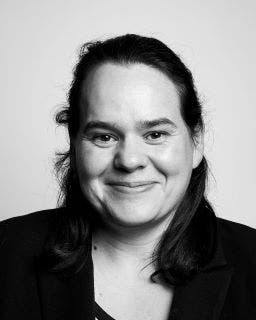
Professor Celia Harris
Memory & Ageing
Celia Harris is Leader of The Age Lab and studies how memory works and how it can be supported to improve cognitive, wellbeing, identity, and relationships. Her research explores how external cues, prompts and retrieval strategies help people access memories more effectively. This work has applications for mental health, ageing and the healthcare sector, with the aim of developing practical tools that support memory across the lifespan.
Email| LinkedIn
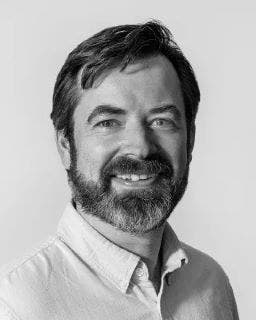
Professor Paul Breen
Biomedical Engineering
Paul Breen is a neuroscientist with expertise in sensory processing and brain stimulation, with a focus on perception, balance and ageing. His research explores how the brain adapts to sensory input and stimulation to improve wellbeing. With a strong focus on translation and commercialisation, he has helped establish two Australian start-ups: Medical Monitoring Solutions and PAYO Scientific, which develops the Braincubator tissue incubation system, and been instrumental in the development of the MemoryAid prototype.
Email| LinkedIn
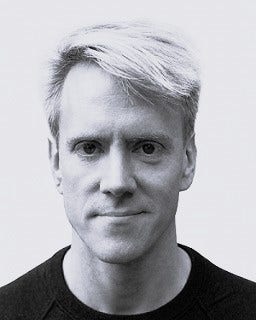
Dr Justin Christensen
Musical Agency in Dementia
Justin Christensen explores how meaningful music-making with family and friends can empower people living with dementia to stay active, connected, and feel recognised for what they contribute. His aim is to develop practical, innovative solutions that can bring joy, creativity, a sense of identity, and feelings of togetherness to people living with dementia, along with their families and carers.
Email| LinkedIn
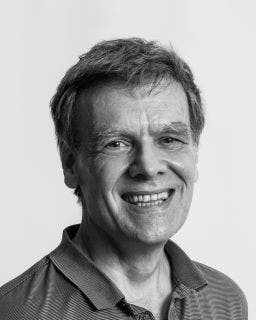
Professor Chris Davis
Speech Perception & Multisensory Communication
Chris Davis is Director of Higher Degree Research at the MARCS Institute and studies how people understand speech and language in everyday life. His work examines how the brain combines sound, vision and linguistic information to support communication, from early language learning to understanding speech in noisy or complex environments as we age. By studying communication across the lifespan, his research helps explain how humans adapt their listening and language skills as conditions change.
Email [[link]]
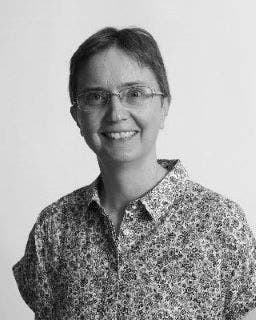
Professor Caroline Jones
Language Learning & Technology
Caroline Jones researches how language is learned, used and supported across the lifespan. Her work spans language development, language education and communication in health contexts, including early assessment and intervention. By combining insights from linguistics, psychology and technology, her research supports more effective communication in educational, clinical and community settings.
Email| LinkedIn
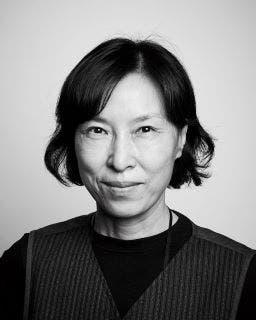
Professor Jeesun Kim
Multisensory Communication
Jeesun Kim studies how people perceive and produce speech and non-speech signals during face-to-face communication. Her research focuses on the adaptive nature of communication, examining how age-related, environmental and communicative factors influence the use of auditory, facial, and gestural cues. Her work informs the development of more accessible communication strategies, particularly for older adults and individuals with communication difficulties.
Email| LinkedIn

Professor Jorge Serrador
Biomedical Engineering
Jorge Serrador is a biomedical engineer whose research explores how the brain interacts with the body’s cardiovascular and vestibular systems. His work focuses on blood flow, balance and physiological regulation, particularly in conditions affecting mobility and health. By combining engineering and neuroscience, Jorge supports advances in health monitoring, ageing, and rehabilitation technologies.
Email| LinkedIn
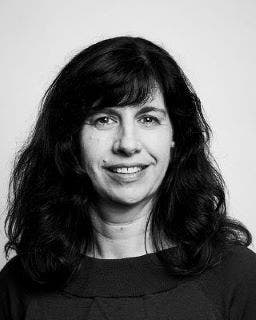
Professor Gabrielle Weidemann
Cognitive Psychology
Gabrielle Weidemann is Dean of the School of Psychology and a behavioural neuroscientist who studies various forms of human associative learning a central mechanism for behaviour change. Her research looks the practical implications of associative learning, including how it contributes to language acquisition, word learning, musical preferences, infant emotion recognition, object preference, decision making in older adults and the processing of visual information.
Email| LinkedIn
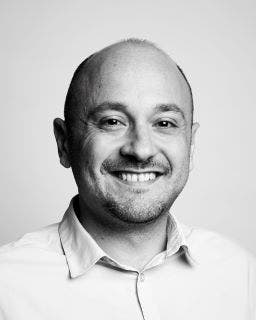
Professor Mark Antoniou
Bilingualism
Mark Antoniou is a psycholinguist whose research encompasses cognitive, neuroscientific, and developmental aspects of language learning and use, including bilingualism. His work focuses on bilingualism and language learning, exploring why some learners adapt more easily to new languages than others. By studying individual differences in language experience, his research informs education, communication and support for multilingual communities across diverse settings.
Email | LinkedIn
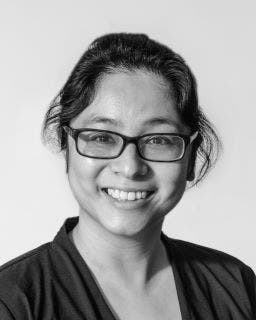
Associate Professor Joyce Siette
Dementia Risk Reduction
Joyce Siette is the Deputy Director of the MARCS Institute and a member of The Age Lab. Joyce is a health services researcher focused on reducing dementia risk and supporting healthy brain ageing across the lifespan. Her research explores how lifestyle, social connection and digital health approaches can improve cognitive wellbeing, particularly for older adults and diverse communities. Joyce is committed to translating research into practical, community‑based programs that empower people to take an active role in their brain health.
Email| LinkedIn
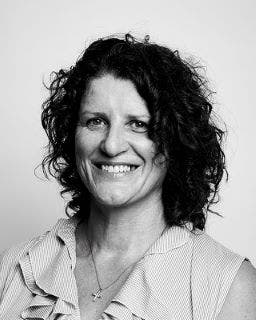
Dr Ruth Brookman
Attuned Communication in Dementia Care
Ruth Brookman is a clinical psychologist and research fellow whose research examines how human interactions shape wellbeing across the lifespan. From foundational work on early life relational ‘attunement’ to dementia and aged care, she has advanced into interdisciplinary technology development and policy‑relevant synthesis and is involved in translating psychosocial evidence into scalable interventions for key healthcare industry partners. By examining communication in everyday and clinical contexts, her research supports better understanding of social connection across the lifespan.
Email| LinkedIn
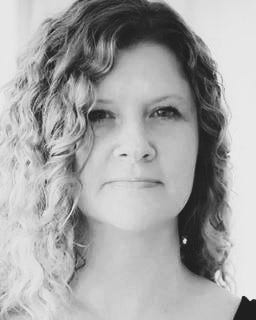
Dr Sandra Garrido
Arts-Based Interventions
Sandra Garrido studies how arts-based interventions can affect our mood, emotions and wellbeing. Her research has provided the evidence for effective programs and tools that use music to improve mood and quality of life for young people with depression and older people with dementia.
Dr Mark Richards
Language Revitalisation
Mark Richards is a research fellow whose work focuses on Indigenous language revitalisation and community‑led research. He works closely with communities to support the teaching, learning and ongoing use of endangered Indigenous languages. Mark's research ethos emphasises community consultation and collaboration to harness cultural knowledge and co-design practical outcomes to strengthen language practices and ensure their sustainability.
Email| LinkedIn
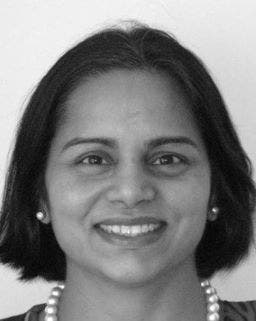
Dr Neeru Sharma
Workplace Technology
Neeru Sharma is a marketing researcher examining how individuals and organisations interact with emerging technologies. Her work focuses on artificial intelligence, financial technologies and digital services, exploring their impact on consumer behaviour, wellbeing and financial literacy. Neeru investigates how businesses can design better products and experiences, with current projects addressing AI‑generated advertising, fintech and technology adoption.
Email| LinkedIn
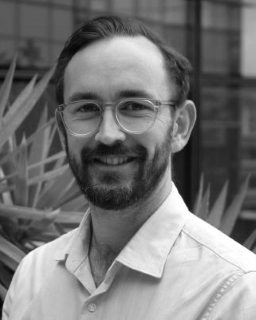
Dr Paul Strutt
Neuropsychology
Paul Strutt is a clinical neuropsychologist whose research examines cognitive function, assessment and decline across the lifespan. His work focuses on modifiable risk factors for dementia, including hearing loss and lifestyle interventions, as well as neuropsychological assessment in conditions such as ADHD and acquired brain injury, to improve diagnosis, prevention and cognitive health outcomes.
Email| LinkedIn