Members
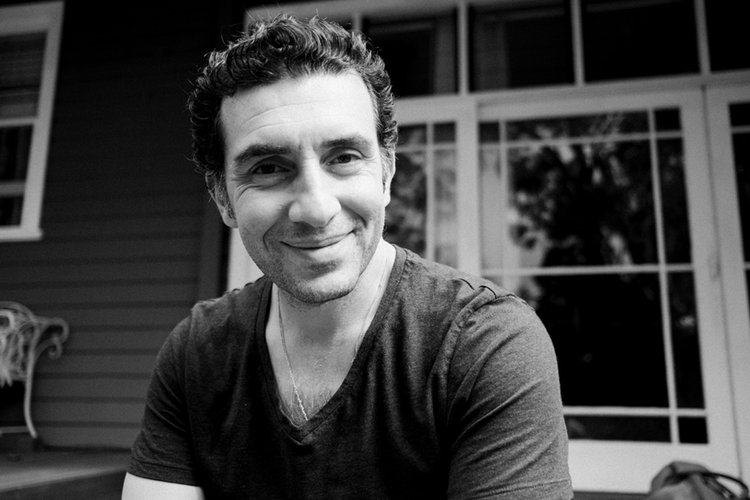
Milad Milani, Academic Lead and Co-Founder
Milad Milani is Associate Professor of Religious Studies at Western Sydney University and a School-based Member of the Institute for Culture and Society. He leads the Religion Research Initiative in the School of Arts and is co-founder of the Sufi Studies Network (Monash University). He serves on the editorial board of Sophia, is editor of the Journal for the Academic Study of Religion, and is Past President of the Australian Association for the Study of Religion (2023–2025). He is internationally recognised for his contributions to the study of religion. Selected publications include The Nature of Sufism and Heidegger, Ontology, and the Destiny of Islam, which examine the philosophical, mystical, and historical dimensions of Islamic thought.
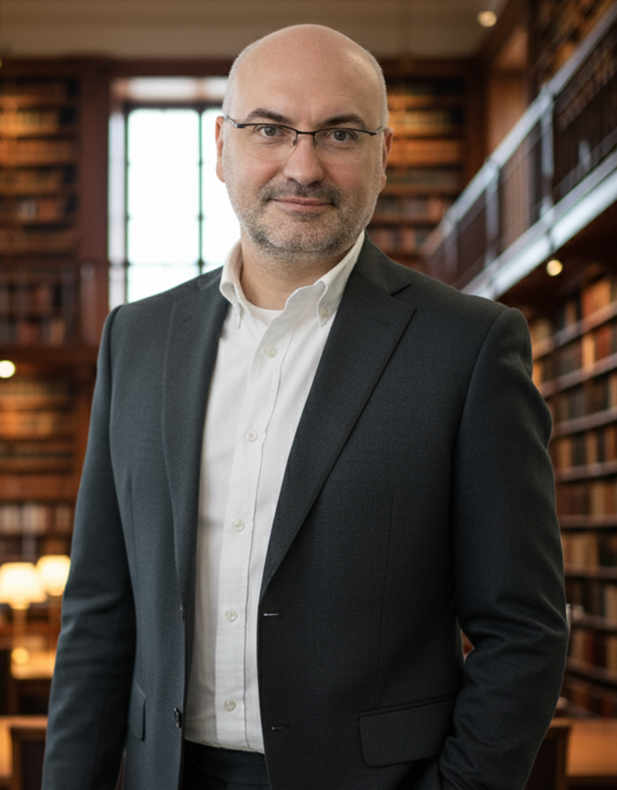
Diego Bubbio, Co-Founder
Paolo Diego Bubbio is Associate Professor of Philosophy at the University of Turin (Italy). He has been a Research Fellow at Heythrop College, University of London (2003–2004), and an ARC Postdoctoral Fellow at the University of Sydney (2006–2012). Before joining the University of Turin in 2022, he was an ARC Future Fellow and subsequently Associate Professor of Philosophy at Western Sydney University.
His research focuses on post-Kantian philosophy and philosophy of religion, exploring their intersections, and includes a sustained engagement with René Girard’s mimetic theory. His publications include Sacrifice in the Post-Kantian Tradition: Perspectivism, Intersubjectivity, and Recognition (SUNY Press, 2014); God and the Self in Hegel: Beyond Subjectivism (SUNY Press, 2017); Intellectual Sacrifice and Other Mimetic Paradoxes (Michigan State University Press, 2018); and Hegel, Heidegger, and the Quest for the “I”: Prolegomena to a Philosophy of the Self (Routledge, 2024). He has also co-edited several essay collections, including Religion After Kant: God and Culture in the Idealist Era, with Paul Redding (Cambridge Scholars, 2012), and Justice and Freedom in Hegel, with Andrew Buchwalter (Routledge, 2024).
He is the editor of the book series Contemporary Studies in Idealism (Bloomsbury) and serves on the editorial boards of the Journal for the Academic Study of Religion, the Journal of Continental Philosophy, and Rivista di Estetica.
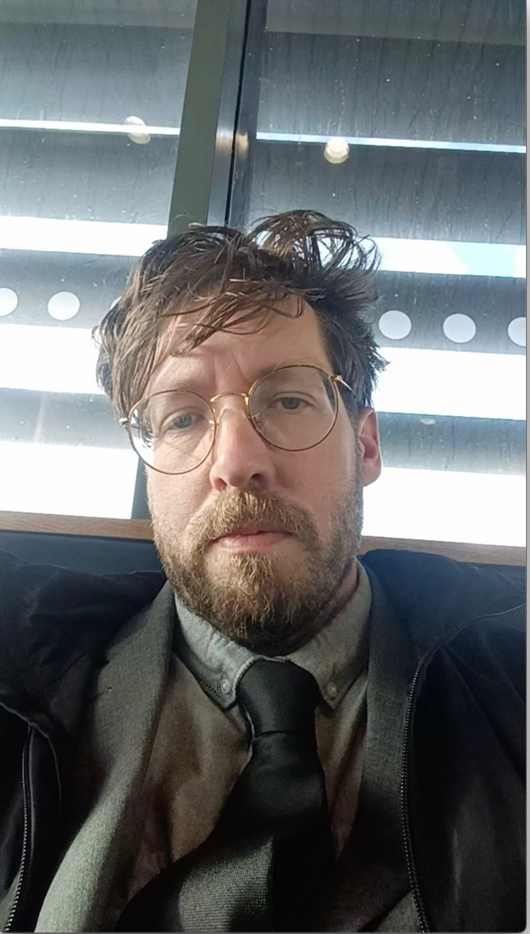
Mark G. E. Kelly
Mark G. E. Kelly is Associate Professor and Program Lead in Philosophy at Western Sydney University and Executive Director of the New York-based Telos-Paul Piccone Institute. He is the author of many books and articles on or pertaining to the thought of 20th century French thinker Michel Foucault, most recently Normal Now: Individualism as Conformity (Polity, 2022), sometime host of the Religious Studies Collective’s podcast Religion in Conversation and a frequent contributor to the journal Telos. His research interests straddle the intersections of religion, philosophy, society, politics, and psychoanalysis.

Greg Barton
Gregory Barton is Professor of History at the University of Johannesburg and Western Sydney University. He is an historian of imperial, environmental and global history. His most recent book, The Global History of Organic Farming(Oxford, 2018) builds on his interest in cultural movements that have had a global environmental impact. He served as a Fulbright Scholar to Bangladesh and has received grants from the Australian Research Council on the global history of organic farming and on global climate theory and desiccation.
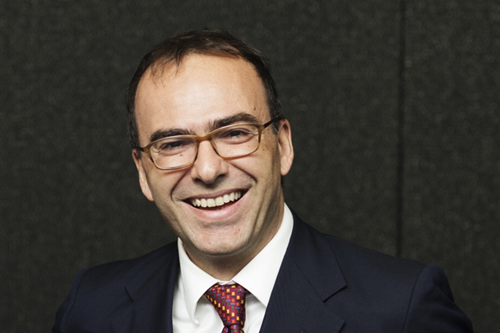
Dimitris Vardoulakis
Dimitris Vardoulakis was the inaugural chair of Philosophy at Western Sydney University. Some of his books include Freedom from the Free Will: On Kafka’s Laughter (2016); Spinoza, the Epicurean: Authority and Utility in Materialism (2020); The Ruse of Techne: Heidegger’s Magical Materialism (2024); and The Agonistic Condition: Materialism and Democracy (2025). He is the co-editor of the book series “Incitements” (Edinburgh University Press) and the journal Philosophy, Politics and Critique. He is currently Vice President of the Council of the Humanities, Arts and Social Sciences (CHASS) and has served as chair of the Australasian Society for Continental Philosophy (ASCP).

Peter Mauch
Peter Mauch is a modern Japanese historian who has developed a particular interest in the Imperial Army and Navy and the role they played in shaping Japan’s course in the first half of the twentieth century. He has authored Tojo (Belknap Press, 2026) and Sailor Diplomat (Harvard, 2011). He has published chapters in such works as the Cambridge History of the Second World War (Cambridge, 2015), and otherwise published essays in e.g. Diplomatic History (Oxford) and the Pacific Historical Review (U California Press).
He is currently working with Gordon M. Berger and Roger H. Brown on a translation of the Emperor Hirohito’s so-called “monologue,” delivered in the early aftermath of Japanese surrender in World War II. Entitled The Emperor’s Testimony: Hirohito’s Monologue on Japan’s War in Asia and the Pacific, this book is contracted for publication with Cambridge University Press. His next monograph, tentatively titled Hirohito: The Life and Legacy of Japan’s Showa Emperor, is contracted for publication with Harvard University Press.
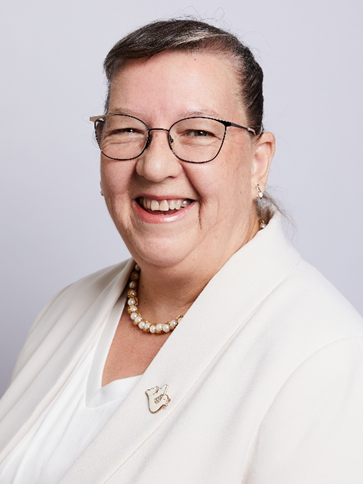
Alison Short
Alison Short, Associate Professor in Music Therapy/Music & Health at Western Sydney University, focuses on education and research across music therapy, health services and spirituality. She is particularly interested in synergies between resilience and spirituality within an ecological approach to health, undertaking research to support meaning-making and connection which includes the transition to motherhood and psychosocial recovery from physical/medical treatments. Alison sees music as a tool to access and support the spirituality of people within broader health and wellbeing practices, typically using a Jungian-oriented Guided Imagery and Music (Bonny Method) approach to address trauma and emergent spiritual issues. Alison holds a Diploma in Theology from the University of Divinity and is an authorised Lay Preacher. She has a keen interest in the everyday spiritual needs of younger generations and melds well-founded therapeutic principles into religious dialogue and debate. Several of Alison’s peer reviewed articles occur in the Lutheran Theological Journal (2020, 2021, 2022), exploring the ordination of women, with “Beyond an earthly reign: Changing custom to meet context”. Her most recent theological article appears in Colloquium, “Connecting resilience and spirituality: A vocational tertiary education initiative during the pandemic” (2025, https://doi.org/10.2478/colloquium-2025-0005)
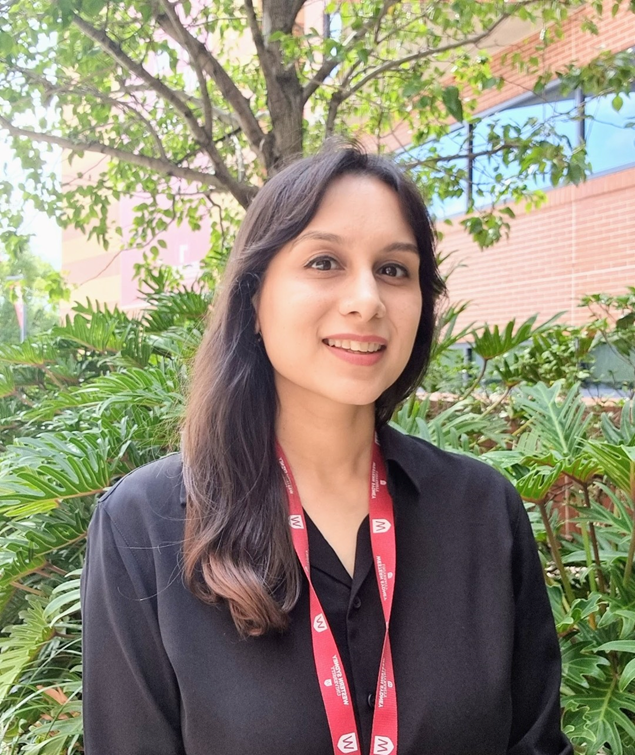
Dr Maria Bhatti
Dr Maria Bhatti is a Senior Lecturer in the School of Law at Western Sydney University. Her research sits at the intersection of religion and law, with a focus on the relationship between religious and secular legal systems and the ways in which legal frameworks engage with religious norms and communities. Her work examines how religion shapes legal regulation, social practices, and policy debates, particularly in areas such as Islamic law, comparative law, and international commercial arbitration. Through this research, she seeks to foster cultural understanding, legal empowerment, and policy reform aimed at advancing social justice and more inclusive societies.
Dr Bhatti completed her Bachelor of Laws and Master of Laws at the University of Melbourne. Her master's thesis examined the taxation implications of Islamic finance and was awarded a scholarship from the National Australia Bank. She completed her PhD at Monash University, where her research explored the relationship between Islamic law and international commercial arbitration. Her monograph, Islamic Law and International Commercial Arbitration (Routledge, 2019), received the Emeritus Professor H. P. Lee Student Publication Prize from Monash University.
Dr Bhatti is also actively engaged in initiatives promoting cultural diversity, equity, and inclusion within higher education and professional environments. Her work emphasises the importance of creating inclusive institutions that recognise the legal and social realities of diverse communities.
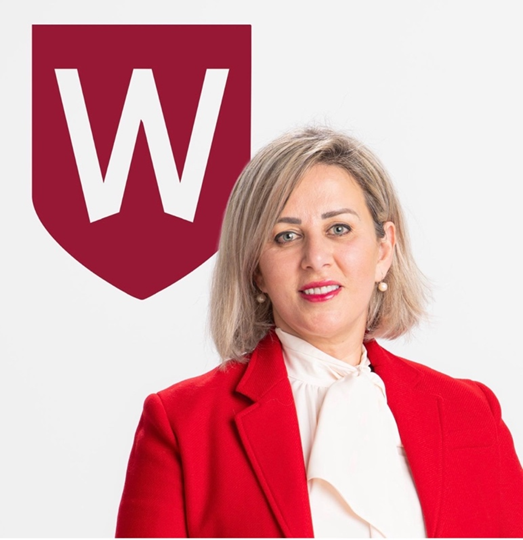
Eva Melhem
Eva Melhem is an academic at Western Sydney University who teaches and researches in the areas of language, culture, and communication. A native speaker of Arabic, her work focuses on multilingual communication and the experiences of culturally and linguistically diverse (CALD) communities. Her linguistic background also informs her interest in Arabic religious texts, including the Qur’an, alongside a broader engagement with religious traditions and textual interpretation. At WSU, she is developing a subject in religious studies that examines texts and religions. She is also involved in a research project on Translation and Artificial Intelligence and is preparing a PhD proposal exploring the relationship between health literacy and translation.
Eva is an active member of the Maronite Church, one of the oldest Christian communities with roots in Lebanon. She engages with its liturgical tradition, including Syriac, a branch of Aramaic closely related to the language historically associated with Jesus. This background informs her interest in religious texts and the role of language in shaping religious understanding.
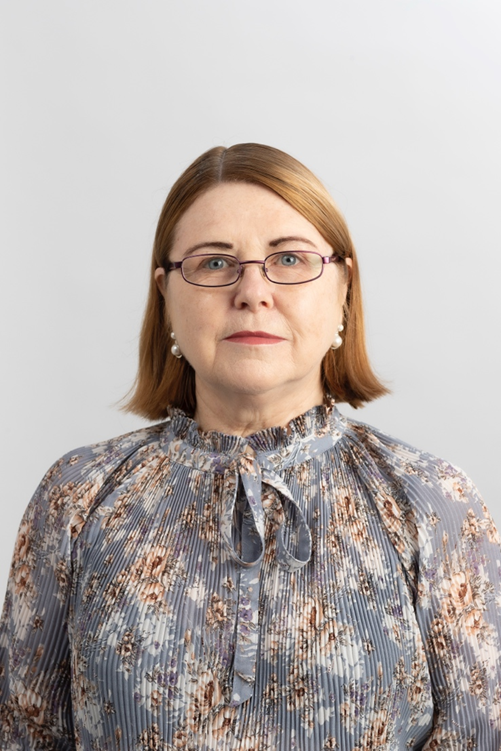
Carole Cusack
Carole M. Cusack is Professor of Religious Studies at the University of Sydney. She graduated Bachelor of Arts (Honours in Religious Studies and English Literature) in 1986 and did a PhD with Eric J. Sharpe, founding Professor in Studies in Religion at Sydney. Her doctorate was published as Conversion Among the Germanic People (Cassell 1998). She now researches primarily in new religious movements, western esotericism, religion and popular culture, and contemporary religious trends. Her books include: Invented Religions: Imagination, Fiction and Faith (Ashgate 2010); The Sacred Tree: Ancient and Medieval Manifestations (Cambridge Scholars 2011); and (with Katharine Buljan), Anime, Religion and Spirituality: Profane and Sacred Worlds in Contemporary Japan (Equinox 2015).
Carole has (co-)edited numerous volumes, including: (with Michael Stausberg and Stuart A. Wright), The Demise of Religions: How Religions End, Die or Dissipate (Bloomsbury 2020); and (with John W. Morehead and Venetia Robertson), The Sacred in Fantastic Fandom: Essays on the Intersection of Religion and Pop Culture (McFarland 2019). She is Editor of Literature & Aesthetics (Sydney Society for Literature & Aesthetics) from 2015; since 2022 she is Editor of Alternative Spirituality and Religion Review (USA, PDC); and she is founding Editor of the Journal of Daesoon Thought and the Religions of East Asia (Daejin University, South Korea) since.
From 2003-2018 Carole spent research leave at University of Edinburgh; in 2018-2019 she was a member of the Demise of Religion Project (led by Michael Stausberg [Bergen] and the late James R. Lewis [Tromsø]), at the Norwegian Academy of Science and Letters. In 2024 she held a Fellowship at the Center for the Study of World Religions, Harvard University and was the academic lead for the “Legacy and Teachings of G. I. Gurdjieff Conference” in December. In 2026 she will be a CAS-E Fellow at the University of Erlangen, Germany.

Jay Johnston
Professor Jay Johnston FAHA is Honorary Professor, Gender and Cultural Studies, at the University of Sydney. She is a leader in conceptual and methodological innovation particularly in the new subfields of subtle body studies and aesthetics of religion. As a cross-disciplinary specialist her work demonstrates the importance of Religious Studies scholarship for the fields of Heritage Studies, Wildlife Conservation and Environmental Humanities, Art History and Theory, Norse and Celtic studies. Jay’s research focuses on the interrelationship of ontology, ethics and aesthetics in the creation and use of ritual objects, artworks and human–animal–landscape relations and their role in identity formation, healing practices and cultural exchange. This includes investigating concepts of embodiment, epistemology and materiality in the ‘natural world’ and their rendering in belief systems. Her most recent publications include Amulets in Magical Practice (Cambridge University Press, 2024); Drawing Spirit: The role of Images and Design in the Magical Practice of Late Antiquity (with I. Gardner, de Gruyter 2023) and Stag and Stone: Religion, Archaeology and Esoteric Aesthetics (Equinox 2021).
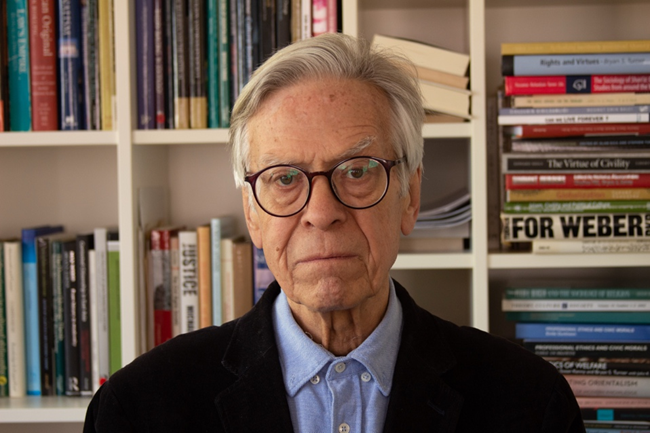
Bryan Turner
Bryan S. Turner is member of the Institute for Humanities and Social Sciences at the Australian Catholic University. He has held professorships in a number of universities: CUNY USA; National University of Singapore: Cambridge; Wellesley USA; Max Planck Potsdam Germany; University of Utrecht; and in Australia: Flinders; Deakin; Western; and ACU. He is Editor of the Journal of Classical Sociology and Citizenship Studies and is Series Editor of The Anthem Companions to Sociology. His recent publications include Understanding Islam: Positions of Knowledge(Edinburgh University Press, 2023) and A Theory of Catastrophe (De Gruyter, 2023). His latest funded project is Far Right in Australia: Intellectuals, Masculinity, and Citizenship (Australian Research Council Discovery Project, 2021–2024). Turner’s areas of expertise include sociology; sociology of religion; social theory; citizenship studies; and sociology of Islam.
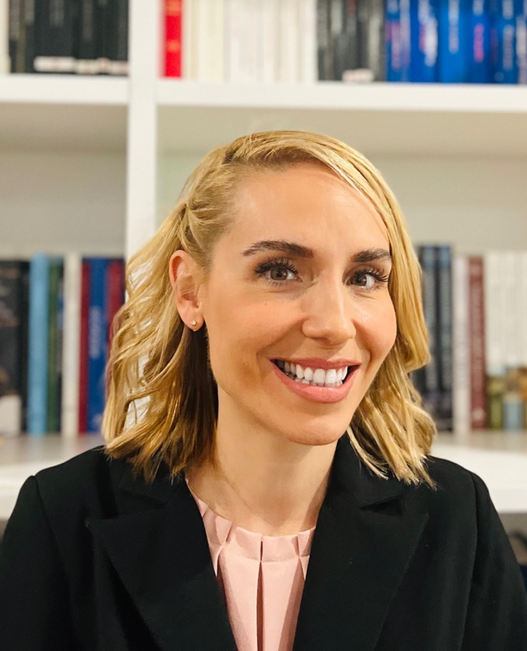
Sarah Irving-Stonebraker
Sarah Irving-Stonebraker was recently appointed Associate Professor of History and Western Civilisation at Australian Catholic University. She is a historian of Christian thought, particularly since the Reformation, and in the context of the British Empire. She was awarded her PhD in History from Cambridge University and held then a Junior Research Fellowship at Wolfson College, Oxford University. Her first book, Natural Science and the Origins of the British Empire, was awarded The Royal Society of Literature and Jerwood Foundation Award for Non-fiction. She is Co-Editor of the Journal of Religious History.
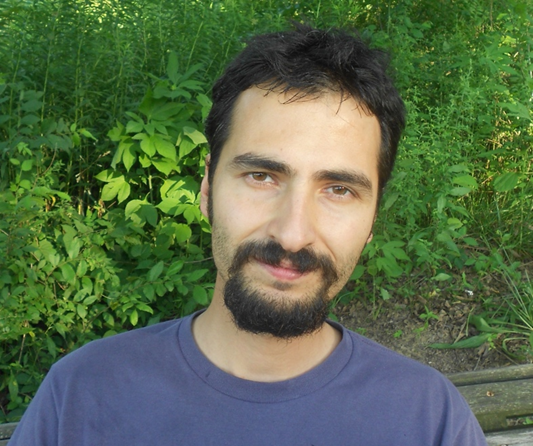
Aydogan Kars
Aydogan Kars earned his PhD in Religion at Vanderbilt University. Currently he is a Senior Researcher at Monash University, running a DECRA project on knowledge transmission in Islamic civilisations. His primary research field is Islamic intellectual history, with a focus on medieval mysticism, theology and philosophy.
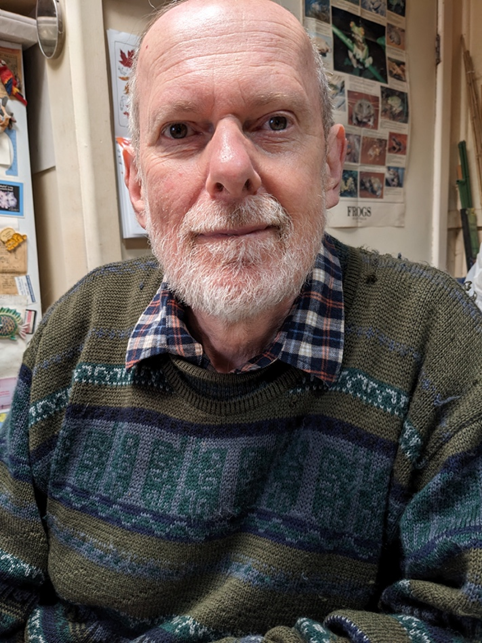
Kenneth Avery
Kenneth Avery was born and educated in Australia. He studied Hebrew, Aramaic/Syriac, Arabic and Persian at the University of Sydney in the late 1970s. He continued his studies at The University of Melbourne where he completed his doctorate in the year 2000. His thesis was published by Routledge entitled A Psychology of Early Sufi samā‘ : Listening and Altered States. Ken’s real love, however, is for classical Persian poetry, and he published a selection from Farīd al-Dīn ‘Aṭṭār’s Dīwān with the help of award-winning poet Ali Alizadeh in 2007: Fifty Poems of ‘Aṭṭār: Texts, translations and analysis. The biographical tradition of early Sufism is also one of Ken’s interests, and in 2014 he published a monograph on the misunderstood Shiblī: His Life and Thought in the Sufi Tradition (S.U.N.Y. Press). He is now engaged in publishing a biographical and analytical work on the 9th century radical Bāyazīd al-Basṭāmī. He is also translating ‘Aṭṭār’s Asrār-nāma, the first English version of this major work. Ken lives in rural Victoria and works as a musician and music teacher.
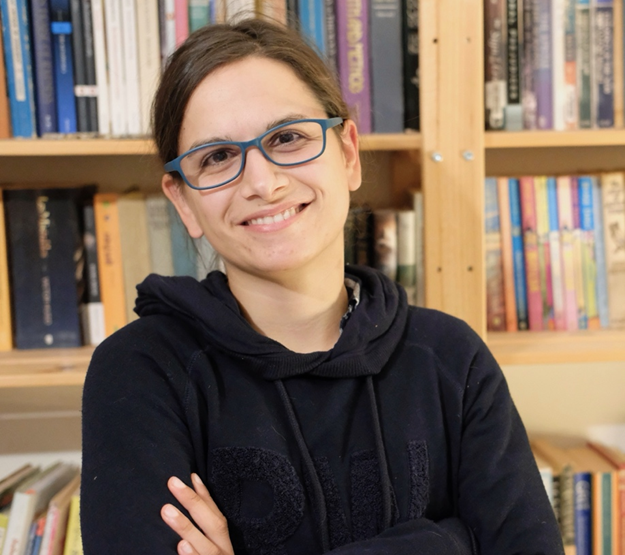
Sarah Bacaller
Sarah Bacaller is a writer, editor and researcher from Naarm/Melbourne. She has just completed a PhD in philosophy on G. W. F. Hegel’s philosophy of religion and is the editor of Apostate: Stories of Deconversion (Apocryphile 2025). Her writing, which spans various disciplines, has been published in both popular and academic contexts (see www.sarahbacaller.com). Sarah also runs Thrive Audio, producing quality Australian audiobooks for children and young people, and has narrated 70+ commercial audiobooks.
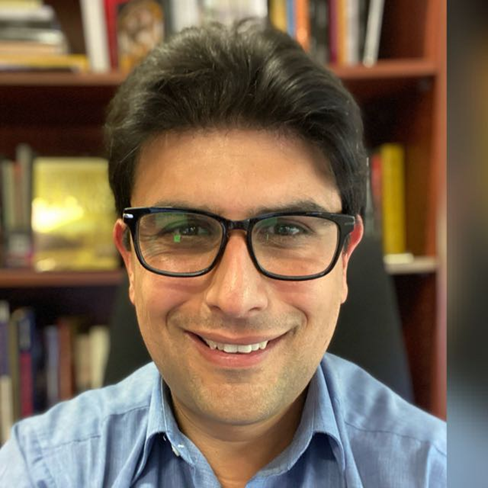
Mario Baghos
Mario Baghos is Senior Lecturer in Theology at the University of Notre Dame, Sydney (Broadway). He teaches primarily in the areas of doctrinal theology, e.g. Christology and Eschatology, as well as Patristics, Catholic Social Thought, Research Methods, and related courses. From 2010-2017 and 2020-2022, he taught Patristics and Church History at St Andrew’s Greek Orthodox Theological College (Sydney College of Divinity). He has also lectured in the discipline of Studies in Religion at the University of Sydney, from where he received his doctorate in 2015. He also taught Theology at St Mark’s National Theological Centre (Charles Sturt University). He publishes extensively in the disciplines of Patristics and Byzantine Studies, specifically in the areas of eschatology and religious symbolism in art and architecture. His most recent book is entitled From the Ancient Near East to Christian Byzantium: Kings, Symbols, and Cities (Cambridge Scholars Publishing, 2021). It is currently being translated into Italian and Romanian. His upcoming monograph with Bloomsbury Publishing is entitled Remnants of New Rome: The Sacred Topography of Constantinople and the Byzantine Empire.
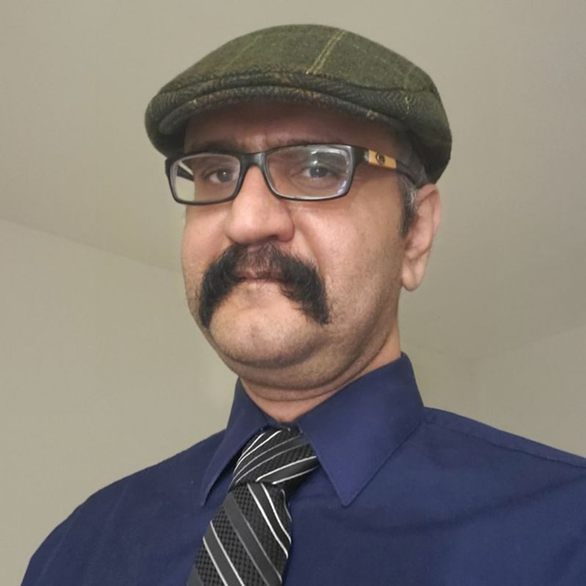
Ashkan Bahrani
Ashkan Bahrani is a translator and an assistant professor of religion and history at AUI in Morocco. Having earned his Ph.D. in religious studies from Vanderbilt University in Nashville Tennessee, he served Monash University in Melbourne as a postdoctoral research associate for two years before settling in Ifrane, Morocco. His main field of interests are method and theory in the study of religion as well as Arabic and Persian premodern Sufism. Works of translation include: Umar al-Suhrawardi: Studies, Translations, Editions (2022: Brill) and Persian translation of Ahmet Karamustafa's Sufism: the Formative Period and Veronique Mottier's Sexuality: A Very Short Introduction and most recently Rashid Khalidi's The One Hundred Years' War on Palestine (published by Nogaam publishers in London in September 2024).
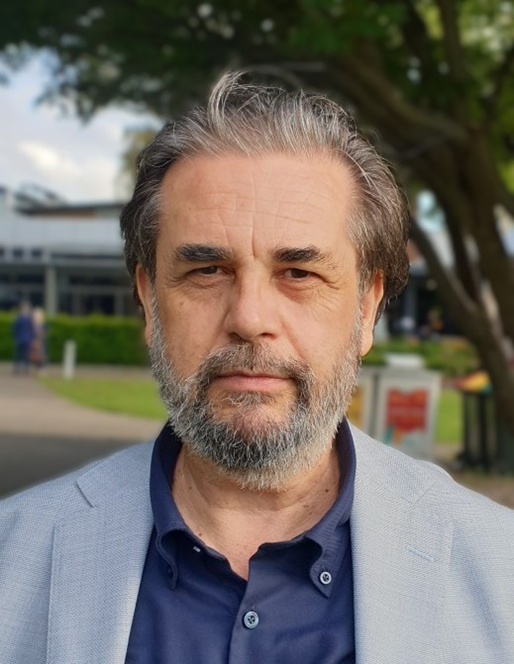
Vassilios Adrahtas
Vassilis Adrahtas teaches Islamic Studies at Western Sydney University and Ancient Greek Religion and Myth at the University of NSW. He holds a PhD in the Sociology of Religion from Panteion University of Social and Political Sciences, Athens, Greece, and a PhD in Studies in Religion from the University of Sydney. His specialisation is in the Political Phenomenology of Early Christianity, Patristics, Byzantine Philosophy, the History of Religions and Indigenous Australian Studies. He has authored and co/edited more than ten books. His most recent publications are ‘John Damascene’s Reception and Interpretation of the Corpus Areopagiticum’, in S. Ables (ed.) John of Damascus: More than a Compiler (Brill 2023); ‘Intellectual Hegemony, Conversion Discourse and Early Christian Apologetic Literature’, in Religions 2021, 12(9), 782; Islam, Civility and Political Culture (Palgrave Macmillan 2021, co-edited with M. Milani); ‘The Feminine in the Poetry of Yunus Emre: A Case Study in the Hierophanic Dialectics of Mystical Islamic Experiences’, in Religions, 12(9), 727; ‘Translating Crisis into Logic: John Damascene’s Iconic Conceptualization of History vis-a-vis Late Neoplatonic Symbolism’, in E. Anagnostou-Laoutides & K. Parry (eds) Eastern Christianity and Late Antique Philosophy (Brill 2020); (ed.) Kazantzakis in Australia!, Sydney Branch of International Society of Friends of Nikos Kazantzakis: Sydney, 2024; “John Damascene’s Arguments about the Existence of God: A Logico-Philosophical and Religio-Hermeneutic Approach”, Religions, 2024, 15(10): 1167; “Damascenus Neoplatonicus: Suggestions regarding a Research Agenda for the Study of Neoplatonism in John Damascene’s Oeuvre”, in E. Anagnostou-Laoutides and K. Parry (eds), Later Platonists and Their Heirs among Christians, Jews, and Muslims, Leiden: Brill, 2023, pp. 153-170; and “Global Intercultural Connections in Modern Greek Neopaganism: A Photo-Ethnographic Discussion”, Modern Greek Studies: A Journal for Greek Letters, 2022, 20:175-191.
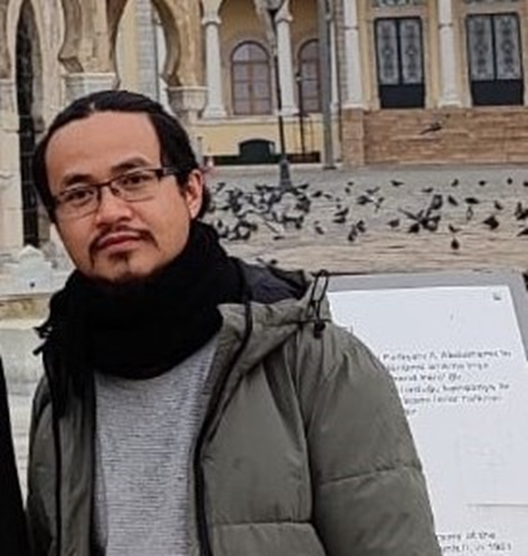
Morokoth So
Morokoth So is a casual academic at Western Sydney University, teaching in Islamic studies and History. He received his Ph.D. in 2022 from Western Sydney University after having received his Honours in 2016 at the same institution. His dissertation was a study of the Sufi thought in the Timurid period, focusing on the teachings of Shams al-Dīn Lāhījī (1433 – 1506/07) as articulated in his famous commentary upon the Gulshan-e Rāz. His honours thesis focused on Ahmad Ghazali and the historical development of Sufi teachings and ideas amongst the Persian Sufis within the historical context of the Seljuq period.
Morokoth received a graduation certificate from Shiraz University for completing Intermediate Persian I, II, and Advanced Persian I courses (2017 – 018). For his classes in Advanced Persian I, he specialised in the reading and comprehension of medieval Persian texts under the guidance of various Iranian teachers from Shiraz University – especially classical works of the Sufi genre of Persian literature. In addition to specializing in Sufism, Dr. So’s research interests include Medieval Iranian history and Classical Persian literature. He has also recently signed a contract with Taylor & Francis to publish his Ph.D. thesis as an upcoming monograph titled, The Persian Sufi Tradition and Shams al-Dīn Lāhījī: Sufi Metamorphosis, as part of Routledge’s prestigious Sufi Series.