

Research provides an integrated suite of services supporting the University's research effort.
This includes the development of contracts and agreements, and the provision of application advice and grant writing support to researchers; research policy implementation and development; maintenance and provision of research data; and the monitoring and promotion of ethical research practice.
Please contact us if you require further information.

Study with Us
Research
Globally recognised for our research strengths and innovations in teaching, our impact-driven research transforms lives and shapes the future.
About Western
School of Business
 School of Computer, Data and Mathematical Sciences
School of Education
School of Engineering
School of Health Sciences
School of Arts
School of Law
School of Medicine
School of Nursing and Midwifery
School of Psychology
School of Science
School of Social Sciences
School of Built Environment and Design
School of Computer, Data and Mathematical Sciences
School of Education
School of Engineering
School of Health Sciences
School of Arts
School of Law
School of Medicine
School of Nursing and Midwifery
School of Psychology
School of Science
School of Social Sciences
School of Built Environment and Design
School of Computer, Data and Mathematical Sciences
School of Education
School of Engineering
School of Health Sciences
School of Arts
School of Law
School of Medicine
School of Nursing and Midwifery
School of Psychology
School of Science
School of Social Sciences
School of Built Environment and Design
Community
QUICK LINKS
Research Institutes
Research Groups
Research Centres
- Australia India Water Centre
- Centre for Educational Research
- Centre for Infrastructure Engineering
- Centre for Research in Mathematics and Data Science
- Centre for Smart Modern Construction (c4SMC)
- Centre for Western Sydney
- Chinese Medicine Centre
- Global Centre for Land-Based Innovation
- International Centre for Neuromorphic Systems
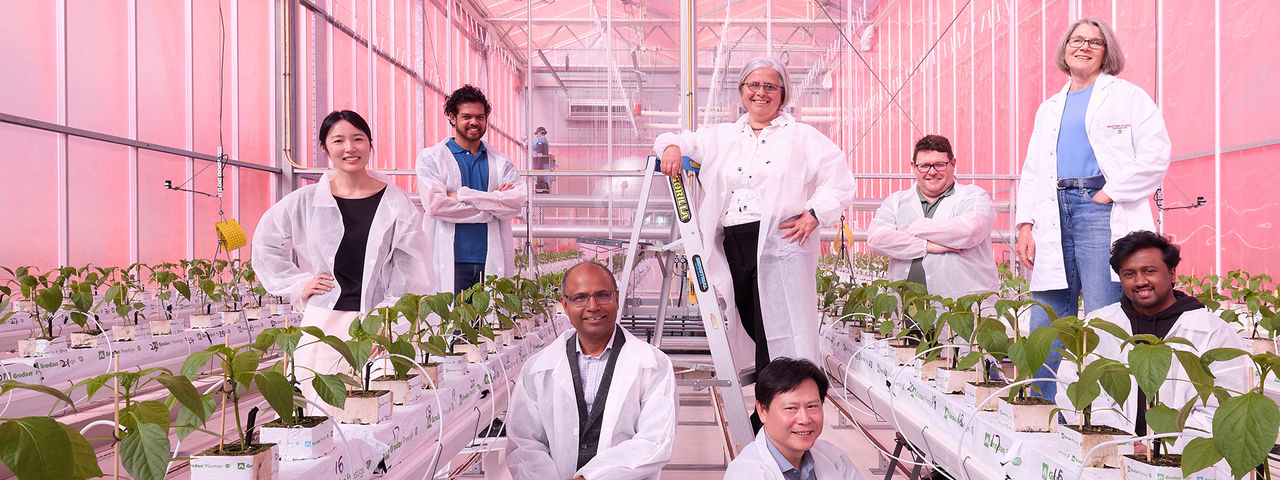
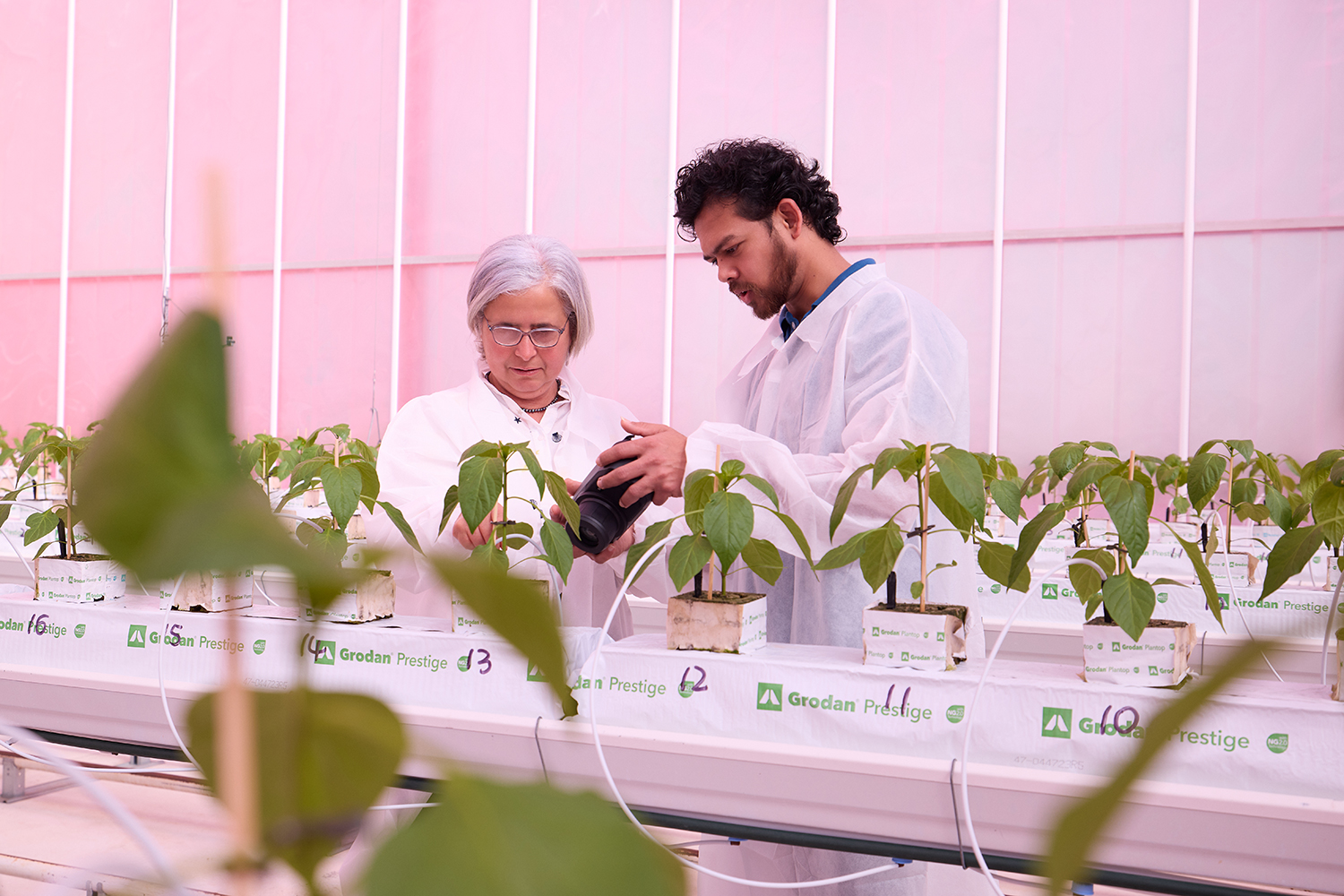
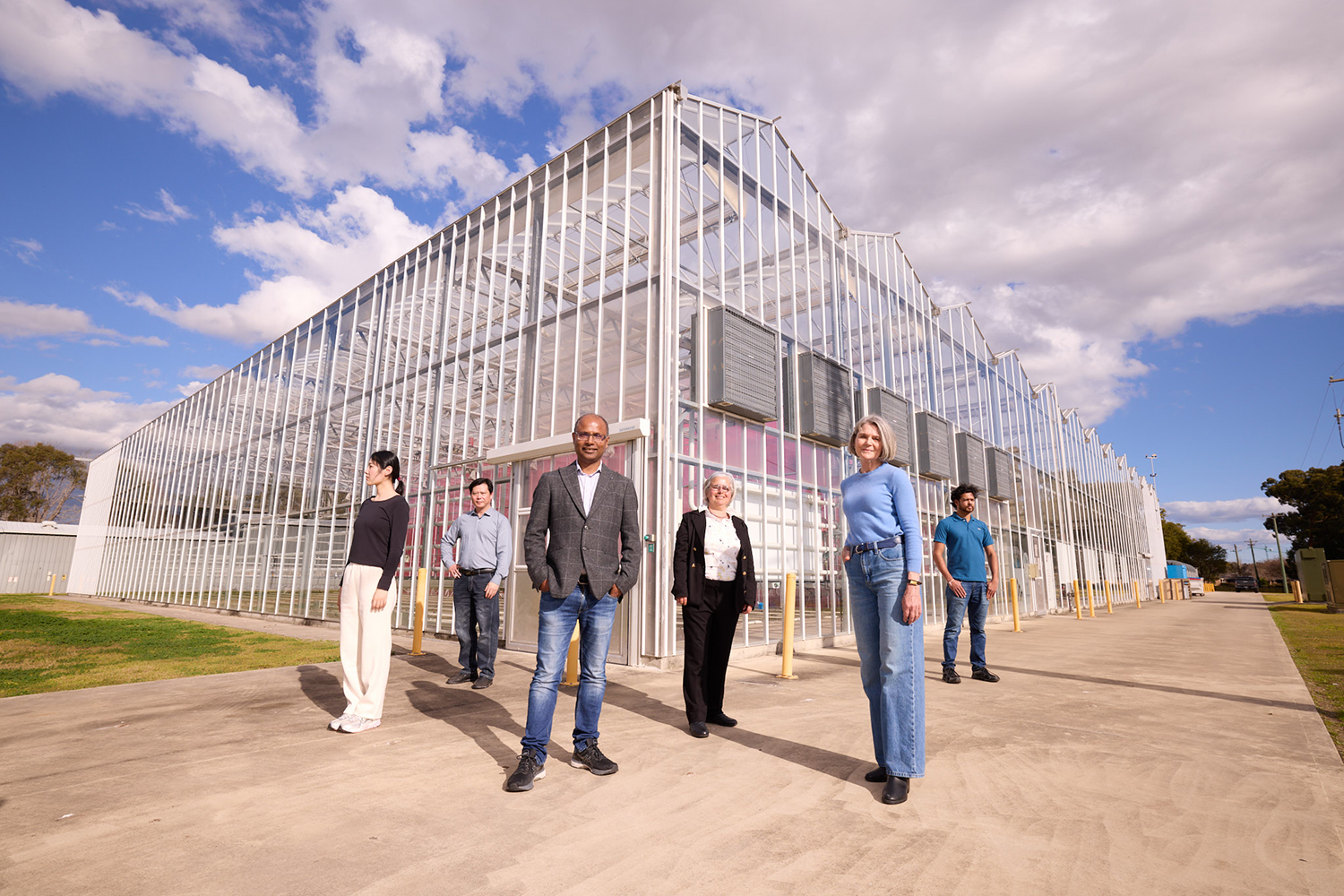
- National Vegetable Protected Cropping Centre
- NSW Bushfire and Natural Hazards Research Centre
- Transforming early Education And Child Health Research Centre (TeEach)
- Urban Transformations Research Centre
- Writing and Society Research Centre
- Young and Resilient Research Centre
Collaborative Research Centres
Research Activate Program
Research Activate is a university wide, bottom up initiative designed to remove barriers to research and activate the social capital, confidence, and capability already present across the academic community.
The program recognises that increasing research productivity and quality is not primarily achieved through additional generic training or workshops. Instead, it focuses on changing everyday research practices, mindsets, and connections so academics can progress their research through learning by doing, supported by peers and senior colleagues at the moments that matter.
Research Activate centres on:
- building regular, sustainable research habits;
- making high quality feedback and mentoring easily accessible;
- strengthening collaboration and shared leadership; and
- clearing institutional and psychological barriers that slow or discourage research activity.
The program combines a hands on Forum Studio - where participants develop a 12 week research plan, join a Peer Alliance, and are matched with Research Leaders - with a year round ecosystem of on demand supports. These include peer led writing sprints, timely access to research development expertise, Navigator support to unblock processes, and targeted activities in areas such as team science and research leadership.
At its core, Research Activate is not about developing researchers for them, but about creating the conditions and connections that allow researchers to develop themselves - together.
Research Spotlight: BabyLab Infant Research Centre
Dyslexia affects one child in ten and there is still no universal test for diagnosis. Western Sydney University supports ground-breaking research in early infancy.
Learn more about infant research at Western:
WHAT'S HAPPENING
EucFACE Facility: From Western to the Atmosphere
EucFACE, the world's only Free Air CO2 Experiment in native woodland, is designed to predict the effects of rapidly rising atmospheric carbon dioxide on Australia's unique native forests.
Learn more about climate change research at Western:
Research

SEARCH FOR RESEARCH PAPERS
Western Sydney University research is made searchable and accessible to the global community via the University’s institutional repository.