Herbal Analysis and Pharmacology
Laboratory research provides a critical step in understanding the cellular and molecular basis of how herbal medicines work in the body. Chemical analysis of herbal products for quality assurance provides an important extension to the clinical studies programme, and provides a wealth of opportunities for innovation in medicinal product development. NICM HRI developed the Herbal Chemical Marker Ranking System (Herb MaRS) as a comprehensive set of guidelines and criteria for selecting the most suitable chemical markers for quality assurance and quality control analysis of complex multi-ingredient herbal medicine formulations.
NICM HRI has established state-of-the-art laboratories for the investigation of the pharmacology and chemistry of herbal medicines. Our Herbal Analysis and Pharmacology Laboratories (HAPL) engage in basic lab research to elucidate the molecular mechanisms underlying the therapeutic effects of herbal medicines. We also investigate the chemical identification, bioactivity, bioavailability, mechanisms of action and molecular targets of herbal medicines. The Herbal Analysis Laboratory is one of the few university laboratories to be licensed by the Australian Therapeutic Goods Administration (opens in a new window) to undertake testing and provide certificates of analysis for herbal products in line with regulatory requirements.
Key areas of research include:
- Quality assurance through authentication of the botanical identity of raw herbs and identification of active ingredients through fingerprinting techniques.
- Extraction, isolation, and quantification of herbal biomarkers.
- Method development for quality assurance of complex herbal medicines.
- Stability studies.
- Preclinical bioactivity and clinical bioavailability studies.
- Molecular basis of the neuroprotective and anti-aging effects of traditional Chinese herbal medicines.
Current projects include:
- IronMax for iron deficiency anaemia.
- Synergistic activity of herbal medicines in stroke.
- Naoxinqing Pian Research Program Phase I.
- Pharmacological interactions of Oncozac (Coriolus versicolor,Yunzhi) and chemotherapy medications.
- Synthesis and testing of novel tanshinone analogues.
- Novel insecticides and synergists from endemic and exotic flora.
Laboratory facilities
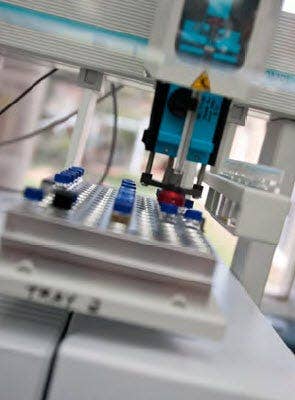
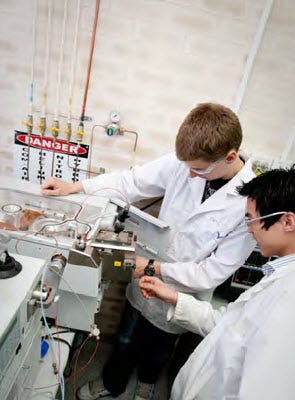
The Herbal Analysis Laboratory features a range of chromatographic and spectroscopic equipment for the isolation, extraction and identification of herbal constituents. The Herbal Analysis Laboratory is one of the few university laboratories to be licensed by the Australian Therapeutic Goods Administration (opens in a new window) to undertake testing and provide certificates of analysis for herbal products in line with regulatory requirements.
The laboratory features:
-
High performance and ultra performance liquid chromatography (HPLC/UPLC) with photodiode array and tandem mass spectrometry detection (HPLC-PDA).
-
UV spectrophotometers.
-
High performance thin layer chromatography (HPTLC).
-
Gas liquid chromatography with flame ionisation and mass spectrometric detection (GC/MS and LC/MS).
-
Preparative HPLC.
-
Semi-preparative HPLC-photodiode array/evaporative light scattering detection (HPLC-PDA-ELSD).
-
Temperature and humidity controlled environment chambers.
The Herbal Pharmacology Laboratory is a PC2 accredited facility designed for bimolecular studies including high throughput bioassays and quantitative real time polymerase chain reactions. The tissue culture facility allows a variety of human and animal cell lines to be cultured, to enable research into biochemical, molecular biological or biophysical experiments under controlled conditions.
The facility is notable for being able to undertake patch clamp electophysiology and digital fluorescence imaging at the same time. Specialist equipment includes:
- Gel electrophoresis (DNA and protein) and blotting
- Patch clamp
- Digital fluorescence imaging
- High speed/ultra centrifuge
- Tissue culture (mammalian cell lines and primary cultures)
- Real time polymerase chain reaction (RT-PCR)
- 96 well plate reader with time results fluorescence illuminator