World Oral Health Day: Expert reveals training closing the dental gap
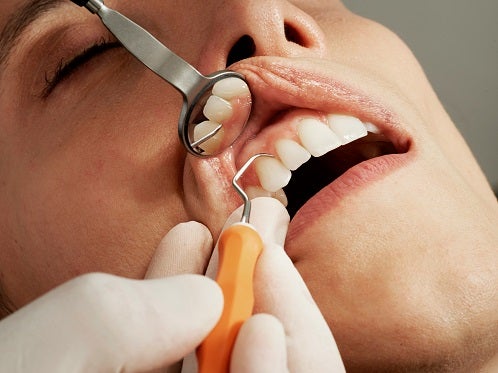
On 20 March, the world marks World Oral Health Day — a global reminder of the growing burden of oral diseases and their impact on individuals, health systems and economies. Professor Ajesh George from Western Sydney University is available to comment on why oral health is vital to overall wellbeing, the gap between its impact and the level of attention it receives in routine healthcare, and the work Western Sydney University is doing to close this gap by training non‑dental professionals to better identify, prevent and respond to oral health issues.
Professor Ajesh George, School of Nursing and Midwifery
“Good oral health is important for general health and wellbeing. It plays a crucial role in how we eat, speak and interact with others. Poor oral health can affect quality of life and is linked to serious health conditions including diabetes, heart disease and kidney disease. It can also contribute to complications during pregnancy. There is strong evidence that having your teeth and gums professionally cleaned can lower blood glucose levels by a clinically significant amount,” said Professor George.
“Poor oral health is very common. Around the world, 3.5 billion people are affected by dental diseases. In Australia, about 30 to 40 per cent of people have tooth decay, and dental problems lead to around 87,000 preventable hospitalisations each year. Barriers at the community, system, and healthcare levels contribute to these high numbers.
“In the community, many people have low oral health literacy, don’t visit a dentist regularly and may not practise good oral health habits. At a system level, access to affordable dental services is limited, private dental care is expensive and public waiting lists are long. Within healthcare, oral health is often not discussed or prioritised, with time pressures and a lack of training reducing confidence in healthcare professionals to promote oral health.
“The dental discipline alone cannot address the high levels of poor oral health. We need to focus on preventative approaches involving early education, screening and referrals from non‑dental health professionals. These can include any healthcare provider a patient interacts with across hospitals and primary care settings, such as GPs. Nurses are in the forefront of health care and are often the first point of contact for patients and thus are in a unique position to promote oral health.
“At Western Sydney University, we are addressing this by providing oral health training at both undergraduate and continuing professional development levels, primarily for nurses and midwives, and increasingly for other healthcare providers like GPs. We have developed Australia’s first microcredential around oral health and diabetes for non‑dental professionals (endorsed by the Australian Diabetes Educators Association), and we have successfully embedded oral health education into our nursing and midwifery degrees. Our learning modules have also been adapted and adopted by universities across Australia. This training is essential, as most health professionals have not received oral health education during their undergraduate studies, and professional development opportunities in this area are limited.”

Ajesh George is a Professor of Interprofessional Oral Health at Western Sydney University’s School of Nursing and Midwifery. He is a dentist with extensive experience in integrated oral health and is a leading expert globally in integrating oral health into primary care and training non-dental professionals to promote oral health His work has been recognised by the World Health Organisation, and he has been ranked among the top 2% of scientists worldwide. Professor George is also the Director and Co-founder of the Australian Centre for Integration of Oral Health (ACIOH) which is a leading national research centre led by Western in collaboration with various partners including universities, health services and professional organisations.
For interviews, please contact media@westernsydney.edu.au
ENDS.
20 March 2026
Media Unit
Photo credit: Caroline LM via Unsplash