Western Sydney University celebrates another milestone in Indigenous student success
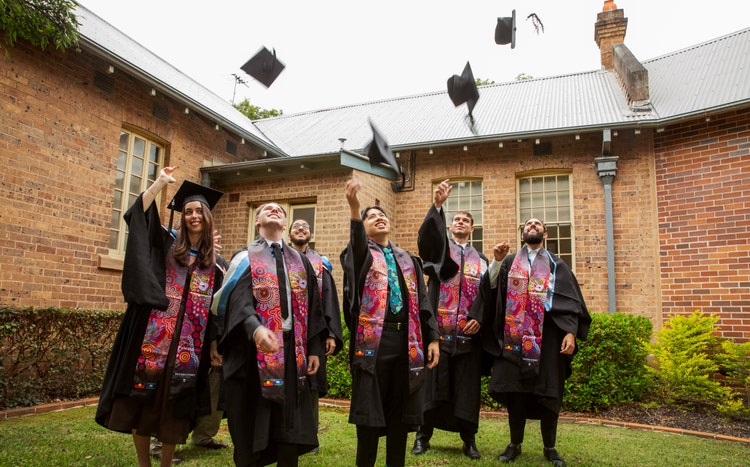
Western Sydney University has become the first Sydney-based university to have 1,000 Indigenous students enrolled, marking a significant milestone in Indigenous student participation, success and achievement.
The milestone reflects the collective efforts of students, graduates, families, communities, staff and partners, and the University's long-term commitment to increasing Indigenous participation and success in higher education, including through its Indigenous Strategy 2026-2030.
Over the past four years, Indigenous student enrolments at the University have grown steadily, increasing from 818 students in 2023 to reach the 1,000-student milestone in July 2026.
Among the University's most highly enrolled programs for Indigenous students are nursing, medicine, education (primary), science, psychology, and business, reflecting the growing number of Indigenous students pursuing careers that will strengthen communities and create lasting impact in Western Sydney.
Since 2022, Western has celebrated 617 Aboriginal and Torres Strait Islander student completions, with graduates moving into professional careers, further study and community leadership roles, including across the region.
Deputy Vice-Chancellor Indigenous Leadership, Professor Michelle Trudgett said the milestone was a moment to reflect on and celebrate Indigenous student success and the collective efforts behind this achievement.
“Reaching 1,000 students represents far more than enrolment growth - it reflects increased access, participation, achievement and success for Indigenous students. We are incredibly proud of all of our students and graduates, whose aspirations, achievements and contributions continue to strengthen our University community,” said Professor Trudgett.
“This milestone is underpinned by a strong commitment to Indigenous students achieving their educational and career aspirations. The sustained growth highlights the impact of culturally responsive programs and our sector-leading Indigenous-led support models that enable students to thrive throughout their university journey.”
Vice-Chancellor and President, Distinguished Professor George Williams AO said the milestone was significant for the University and the communities it serves, which is home to Australia’s largest Indigenous population.
“As an anchor institution for our region, we have a responsibility to empower Indigenous students from high school through their university journey, and into successful careers. Our commitment to the next generation of Indigenous leaders is deep, with Indigenous knowledges and excellence underpinning our teaching, research, and community engagement,” said Professor Williams.
The Badanami Centre for Indigenous Education is central to the University’s Indigenous student success and provides a culturally safe environment for students.
Through a strengths-based approach, Badanami empowers students across the entire university journey, from aspiration and entry through to graduation and into early career. Key areas of support include academic guidance and success support, cultural mentoring and connection, scholarships and financial assistance, and leadership and career development.
Other key pathways include the Pathways To Dreaming program, which builds aspirations and awareness of university opportunities for Indigenous high school students. The program currently operates in more than 75 South-Western and Western Sydney high schools, including in Campbelltown, Liverpool, Penrith, Seven Hills, Mt Druitt and Blue Mountains regions.
The Aboriginal and Torres Strait Islander Entry Program is an alternative admission pathway into university for Indigenous applicants, recognising the diverse educational journeys and experiences of Indigenous students. The program supports transition into university through connection with Badanami and broader support services.
Meet some of our Indigenous students and graduates making a lasting impact in their communities.
Western Sydney University graduate Ace De Vera is now a first-year doctor in Western Sydney, where he is combining clinical practice with a passion for improving health outcomes for Aboriginal and Torres Strait Islander communities.
Inspired by his studies and rural placements, Ace is committed to culturally safe care, patient advocacy and mentoring the next generation of Indigenous students. He credits the University's strong focus on Indigenous health, diverse learning environment and support through the Badanami Centre with helping shape his career, and says growing Indigenous representation in medicine is critical to closing the gap in health outcomes.
Ace says Western Sydney University reaching 1,000 Indigenous students reflects its commitment to creating a culturally safe environment where students can thrive.
“The achievement highlights the commitment of the University to Indigenous education through the many opportunities they provide including through the Badanami Centre and access pathways, which I personally utilised.”
“It also reflects how Western has created a culturally safe environment that supports learning and encourages students to complete their degrees. Badanami was an invaluable resource whenever I had difficulties with my studies. I was additionally given multiple work, cultural and travel opportunities that supplemented my learning.”
“Seeing more Indigenous students seeking and completing tertiary education is a really positive trend.”
“Looking ahead, I’m excited about greater Indigenous representation in the healthcare workforce with shared goals of closing the gap.”
Aleyah Joseph always knew she wanted a career in health, but it was a second-year rural placement at Muswellbrook in the Upper Hunter that convinced her paramedicine was the right path.
A graduate of Western Sydney University's paramedicine degree, Aleyah credits the support of the University's Badanami Centre - including tutoring and a close-knit Indigenous student community - with helping her through her studies. She graduated in 2024 and now works as a qualified paramedic based at Northmead, covering areas including Blacktown and Westmead.
“I chose Western because I felt it had really good support for Indigenous students. Western prepared me well for when I graduated. The support from Badanami was invaluable.”
“I was an active Indigenous student in the Badanami Centre and attended multiple events at the Campbelltown campus throughout my studies. Throughout my degree, I always knew Badanami was my space.”
“They had all the resources I needed at any point in time. The tutoring support was really helpful, especially for subjects I wasn’t sure how I would go in, like chemistry and science.”
“No matter what I needed, I always knew I could ask someone at Badanami and there would be some sort of support available.”
Billy is a proud Anaiwan and Ngunnawal man from the Blue Mountains and a third-year Bachelor of Occupational Therapy student at Western Sydney University. His path to studying occupational therapy was shaped by a personal experience.
"My grandfather had an OT, and talking with him while I was in high school made the choice a lot easier. I really liked that OT takes a more holistic approach," said Billy.
"I first heard about the entry program through Pathways To Dreaming through my high school in Year 9, and became more involved in the later years. It helped keep my options open, and I ended up sitting the exam and completing my HSC."
Since starting at Western, Billy has embraced opportunities to grow both personally and professionally. He said being part of Western's close, connected community and a university that creates opportunities for mob has been a significant part of his experience.
"Starting OT was definitely a learning curve, but it's been a really positive experience. Going to the Indigenous Uni Games helped me make connections and rekindled my focus on my studies. Being involved with the Badanami Centre has been a huge part of my university experience and the support I've received overall."
"My goal is to get into OT, starting in a hospital. Down the track, I'd love to focus more on Indigenous health and help close the gap. Eventually, I'd like to have my own clinic."
ENDS.
23 July 2026
Photo credit: Sally Tsoutas
Media Unit