Mother and three children embark on shared journey to becoming Indigenous doctors
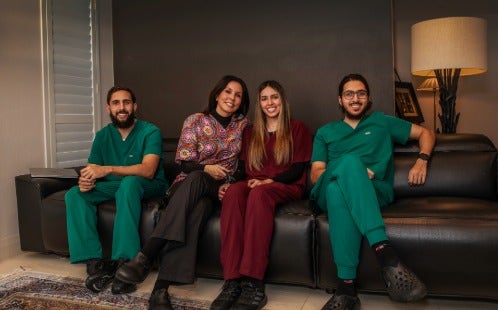
For Western Sydney University alumna and general practitioner Dr Tatum Maybir, being a role model to her children took on greater meaning than she could have ever dreamed of. The proud Indigenous medical graduate saw her two sons, Jamaal and Abdul, graduate with medicine degrees from the University in December 2025, and this year her daughter Ieesha began her own studies in medicine, also at the University.
“What began as a dream for our family has become an extraordinary and humbling reality,” said Dr Maybir.
“Education has the power to change not just one life, but an entire family’s trajectory. Watching that unfold across generations has been incredibly moving.
“One of the proudest moments of my life has been watching my two sons follow in my footsteps and graduate as doctors from Western Sydney University. Seeing them emerge as strong, capable Indigenous doctors is an honour that is difficult to put into words.
“Knowing that my daughter’s dream of becoming an Indigenous doctor is within reach fills me with immense pride and hope for the future.”
Dr Maybir once thought university was out of reach, being the first in her family to have her sights set on higher education.
“Before me, no one in my family had walked that path, and for a long time, it didn’t even feel like a world that was accessible to me.”
“University seemed unfamiliar and distant, something other people did. Stepping into that space was both exciting and daunting. There wasn’t a roadmap to follow, but that experience shaped my resilience and independence. It also made the achievement feel even more meaningful.
“If there’s one thing we’ve learned, it’s that where you begin does not determine where you can go. None of this was mapped out for us, it was built step by step through hard work, faith, setbacks and perseverance.
“I hope our journey shows others, especially those who may not see themselves represented, that they belong in these spaces. Dreams that feel distant can become reality with courage, support and determination. Sometimes the most powerful thing you can do is take the first step and trust that the path will form beneath you.”
Fast forward to now, Dr Maybir is working at an Aboriginal Medical Service which she describes as deeply fulfilling.
“Providing care within this community has deepened my appreciation for culturally safe practice and the importance of building long-term, trusting relationships with patients. It feels like a privilege to serve in this space and to continue growing as a clinician.”'
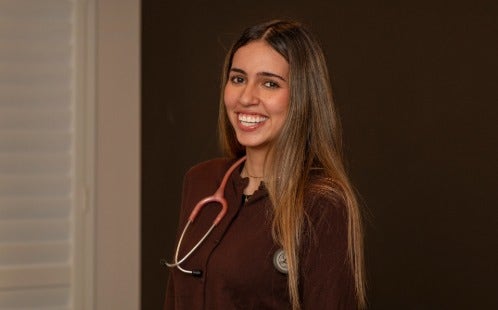
For Ieesha, who is just at the beginning of her journey, seeing her mother succeed has shown her that anything is possible if she puts her mind to it.
“Watching her raise six children while completing a medical degree showed me, from a young age, that having a family doesn’t mean women have to put their dreams on hold,” said Ieesha.
“Her strength, resilience and determination shaped the way I see the world. She never framed it as extraordinary, she simply worked hard and kept going.
“Watching my brothers’ journeys through medicine has been just as inspiring. Being there at their graduations was such a proud moment for me. They’ve shown me what dedication and perseverance look like in real time. I feel grateful to walk a path they’ve walked before me.”
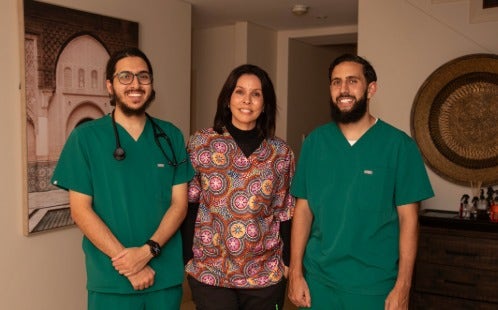
For brothers Jamaal and Abdul, being on this journey as a family has at times felt surreal.
“Growing up, I saw firsthand the self-discipline and sacrifice it takes to pursue medicine, but I also saw the deep sense of purpose Mum carried in her work. She never complained about the long hours, she focused on the impact she could make. That left a lasting impression on me,” said Jamaal.
“During my degree, she was always there in the background, checking in before exams, talking through clinical cases at the dinner table, and reminding me to stay grounded when things felt overwhelming. Her belief in me, especially during the more difficult moments, gave me confidence when I doubted myself. Watching her journey made medicine feel possible, and having her support made it achievable.
“Following Mum’s path feels surreal, she showed me that commitment and compassion can exist side by side,” added Abdul.
“Seeing her balance family life with such a demanding career taught me that perseverance and faith in your goals can carry you a long way. Her strength and quiet determination inspired me not just to enter medicine, but to strive to practise it with the same integrity and care she embodies.”
The brothers are now enjoying working as junior doctors in the public hospital system.
“Hospital work has been both challenging and really rewarding as I adjust to the responsibilities of clinical practice. Each day is helping me build confidence and develop my skills, while giving me a better sense of where my long-term interests might lie,” said Jamaal.
“The transition from student to doctor has been a significant milestone, stepping into responsibility and applying years of learning in real-world settings. Alongside clinical work, I’ve been focusing on refining my practical skills and exploring areas of medicine that I may wish to pursue further in the future,” said Abdul.
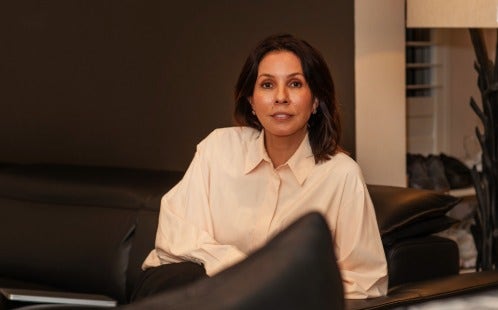
When deciding where to study, Dr Maybir said the University stood out for not only its strong medical program and placements, but also its approach to community and diversity.
“I wanted to be part of a community that reflects what Australia looks like today—diverse and inclusive—and to learn alongside people with different perspectives and experiences.”
“Choosing Western Sydney University wasn’t just about earning a degree, it was about being part of a community that shared my values.”
Dr Maybir said that throughout her studies, support from the Badanami Centre for Indigenous Education and the Tutoring for Success (TFS) Program was instrumental.
Western Sydney University’s Badanami Centre provides Indigenous students with an array of programs, services, and facilities that actively encourage and nurture their participation in the many facets of their student journey at Western.
“Throughout this journey, the support I received from Western Sydney University, particularly through the Badanami Centre has been unwavering and transformative. Their guidance and genuine belief in Indigenous students made it possible for me to persist and succeed, even during the most demanding moments,” said Dr Maybir.
“The TFS program provided personalised academic support across all years of study, which made a significant difference.”
When reflecting on how Western Sydney University prepared them for real-world practice, the family say that they would not be the doctors they are today without the foundations the university helped lay.
“Western Sydney University laid the ethical and human foundations of my practice. It shaped not just how I treat illness, but how I see people, as individuals within families and communities. That perspective has profoundly influenced the doctor I am today,” said Dr Maybir.
“What I appreciated most was how practical the training felt. We were exposed to clinical environments early on, and that made the jump into hospital work far less intimidating,” added Abdul.
“Western Sydney University prepared me by teaching resilience as much as medicine,” said Jamaal.
“Entering the workforce, I felt ready not because I knew everything, but because I knew how to learn, adapt and improve.”
Dr Maybir is pleased to have inspired her children but recognises that their success is all their own.
“Their achievements are entirely their own, shaped by their hard work and character. That is what makes me most proud.”
ENDS.
10 June 2026
Photo credit: Sally Tsoutas
Lauren Coskerie, Senior Media and PR Advisor