Longer summers, bigger risks: experts critical warning
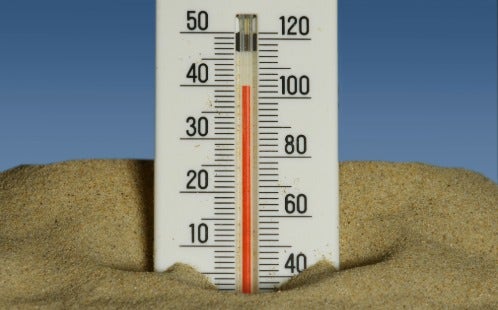
New reports published today confirms what many Australians are already feeling — summer isn’t just hotter, it’s lasting longer. As extreme heat increasingly reshapes daily life across Greater Sydney, Professor Sebastian Pfautsch from Western Sydney University is available to explain what’s driving longer, more intense summers, the growing risks for communities and infrastructure, and why urgent investment in climate adaptation is now critical.
Professor Sebastian Pfautsch, School of Social Sciences and Urban Transformations Research Centre
"The study published by Mr Scott and his colleagues confirms our own research: Sydney’s summers are getting longer and hotter. This trend is felt more intensely in the West compared to the East. Importantly, there is a clear relationship between the number of days where it is hot (35-40°C) and where extreme heat becomes a hazard (40-50°C). And this (non-linear) relationship points towards an even greater number of extreme heat hazard days when hot days become more frequent."
"The impacts of this rising summer heat and its longer occurrence has countless impacts – from limited opportunities for outdoor sports and recreation, to closing schools outside of summer holidays, to reduced construction work, lower productivity in ag and increased strain on health systems. The list is very long, and the aggregated impacts cost Western Sydney alone $1.4 billion today and $7.8 billion by 2070."
For interviews, please contact media@westernsydney.edu.au.
ENDS.
14 April 2026
Photo credit: Immo Wegmann via Unsplash
Media Unit