How curiosity is driving discoveries from the bush to the lab this Science Week
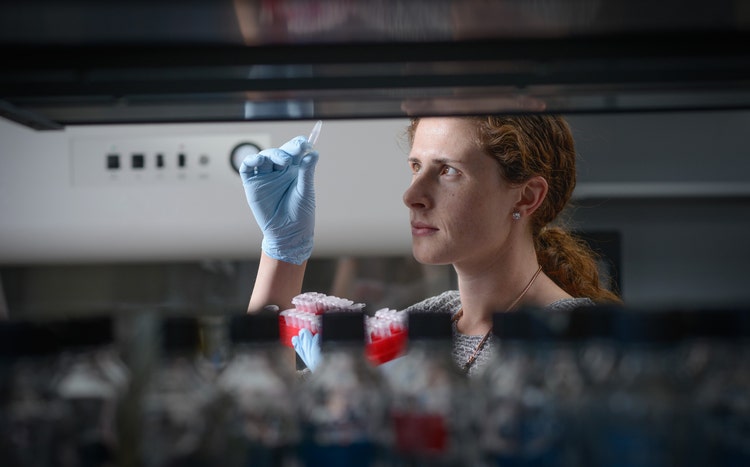
The theme for National Science Week 2026, 15 - 23 August, is Seeds of Science: Nurturing knowledge for all, celebrating curiosity, shared learning, and the many ways scientific understanding grows.
From wombat conservation and citizen science to invisible microbial worlds and forensic investigations, Western Sydney University researchers from the School of Science are revealing new insights about the world around us.
For Associate Professor Julie Old, curiosity has led to a career spent understanding and protecting one of Australia's most recognisable marsupials.
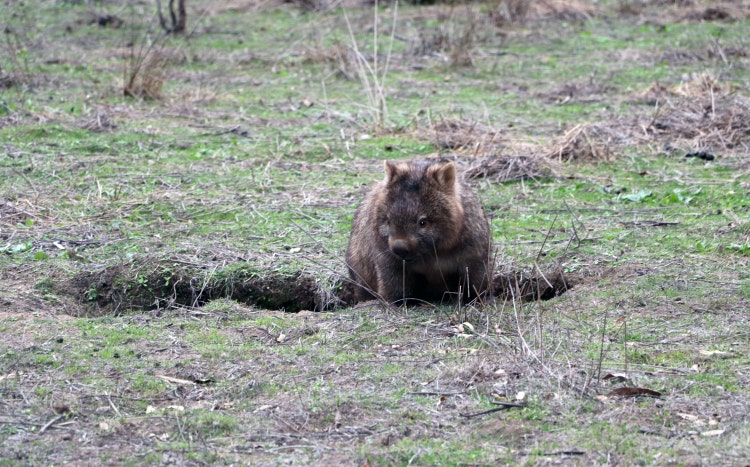
“Wombats are iconic Australian marsupials and important ecosystem engineers that help maintain habitat and support biodiversity,” said Julie.
“The most pressing issues include sarcoptic mange, road mortality, habitat loss and fragmentation, and there is a real need for better long-term monitoring across wombat populations.”
But these challenges cannot be solved by scientific research alone.
“They require collaboration between scientists, communities, government, wildlife organisations, Traditional Custodians, landholders and volunteers so that evidence can be translated into practical conservation action.”
Through the Wombat Survey and Analysis Tool (WomSAT) project, researchers are building a clearer national picture of where wombats occur, where they are under threat, and where conservation action is most urgently needed.
“The strength of WomSAT is that it turns everyday observations into useful conservation data and educates the wider community about wombats and the threats to them. People who see wombats on roads, on farms, in reserves or near their homes can contribute valuable information that helps researchers better understand and protect wombat populations.”
Julie is particularly proud of #WombatWednesday, a hashtag that began alongside WomSAT in 2015 and has since grown into a friendly and engaging way to keep wombats in the public conversation.
While Julie's work takes her into paddocks, bushland and wildlife corridors, Associate Professor Michelle Moffitt spends much of her time exploring a world invisible to the naked eye.
After more than 20 years studying microbiology, Michelle is still captivated by how much remains undiscovered.
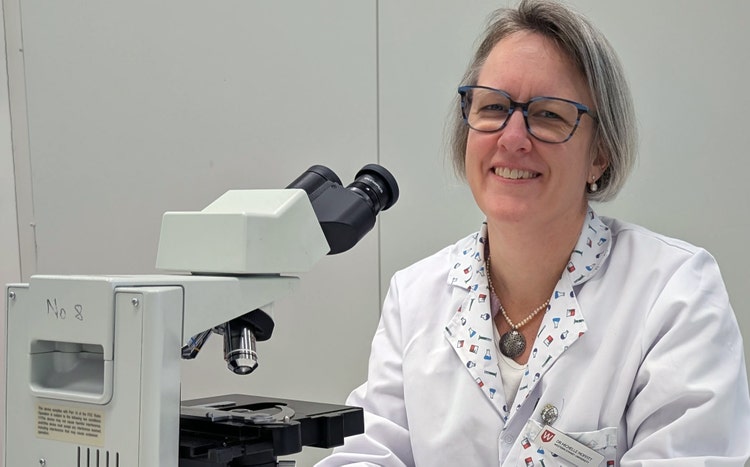
“Microbiology is fascinating to me because there is a whole world of organisms that we can't see,” said Michelle.
"They impact our everyday lives. They grow on or in our bodies, are in the air we breathe and in the soil; they are important in food and drinks. And most of these microbes and the things that they do, remain undiscovered.”
Michelle says researchers are continuing to uncover extraordinary insights into how microbes interact with each other and their hosts.
“Scientists have been learning that microbes don't just grow on their host but can communicate with each other and also with their host. That means that microbial communication can be beneficial, making the host healthier, or could turn a microbe into a pathogen.”
Today, her research focuses on fungi that live within plant leaves and the role they can play in protecting plants from disease.
“This is an important way that we can protect our agricultural plants from disease. We have also been focused on a disease called myrtle rust, which infects some Australian native plants and as a result of this disease, some of these plants are critically endangered, impacting the health of the bushland and rainforests.”
For Associate Professor Kelly Meiklejohn, it all started at a school holiday forensics camp.
Her research focuses on harnessing the capabilities of newer genetics and genomics methodologies to recover more information from traditional forensic evidence and analyse previously overlooked biological evidence.
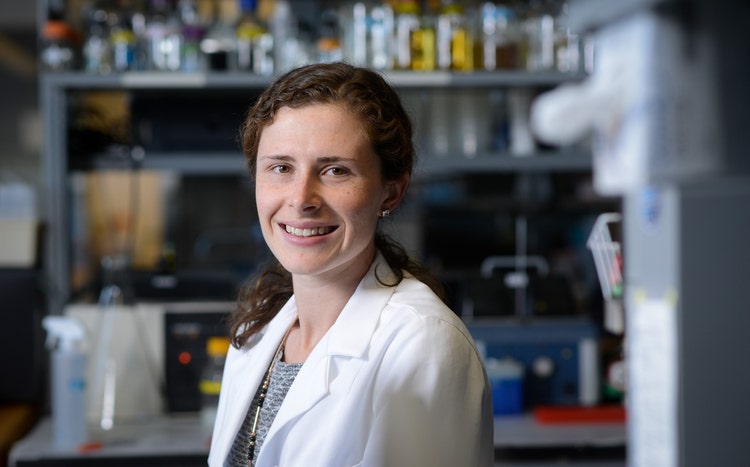
"My mother was a high school science teacher who would run a STEM Forensics Camp in school holidays,” said Kelly.
“My sister and I would help out, and that is where my interest in forensic science started. While I don’t have an undergraduate degree in forensic science, I did my PhD in forensic entomology, and from there I was hooked on forensic science.”
A major focus of her research projects is environmental DNA (or eDNA), associated with soil and dust.
“We can potentially use the bacteria, fungi, plant and insect communities associated with soil and dust for sample-to-sample comparisons, such as determining whether soil on the suspects shoe matches the soil found at the crime scene."
“If we can show the value of analysing eDNA associated with soil and dust evidence, it could be implemented into casework and ultimately help solve more crimes.”
Kelly says popular crime television shows have contributed to misconceptions about how forensic science works.
“One of the biggest misconceptions is the time it takes to complete DNA analysis of a sample - it is rarely within hours, and most commonly weeks.”
“There is a lot of testing and validation of new methods before they can be used in casework. This can take months of experiments. We need to make sure the method is reliable and repeatable before it is used on evidence.”
For young people considering a future in science, the researchers have simple advice.
“Don't be afraid to ask questions and talk to people in science. You never know where a question or a conversation can take you.”
“Get involved in any opportunity that you can - whether it is helping out on academic research projects at school or community outreach events.”
"There are so many sub-disciplines of science, so exposing yourself to different experiences is the best way to discover where your passion lies.”
Find out more about National Science Week here.
ENDS.
17 August 2026
Photos: Supplied
Media Unit