Cyclone Narelle — Western Sydney University experts available for interview
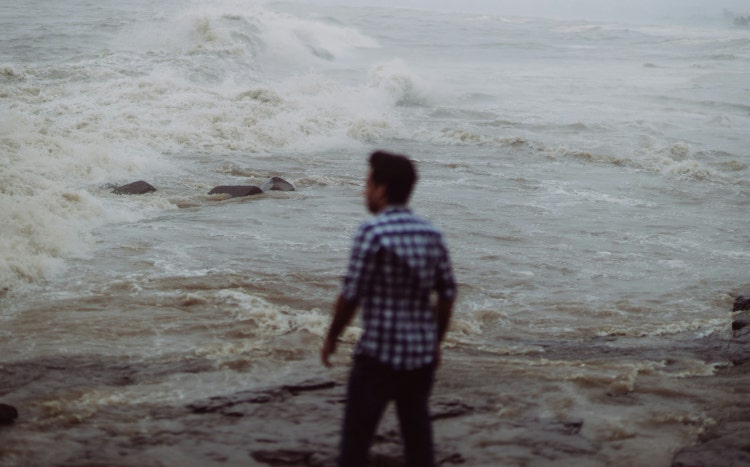
Western Sydney University experts are available to speak to the impacts of Tropical Cyclone Narelle, from protecting drinking water supplies and understanding flood-related health risks, to how families with young children can prepare and evacuate safely, what this event reveals about Australia’s preparedness for increasingly complex, multi-hazard disasters, and broader public health considerations, including conditions that can contribute to the spread of infectious diseases.
Associate Professor Ian Wright, School of Science, water quality and ecological impact
Associate Professor Wright teaches classes in water science and management, environmental planning and environmental regulation. He has been a water scientist for more than 30 years and now leads a small team that conducts high-impact and highly engaged research that addresses water resource sustainability issues. He has published research on the water quality and ecological impact of wildfires on streams and high conservation-value peat wetlands in the Blue Mountains area, including the Greater Blue Mountains World Heritage Area.
“In preparation for a cyclone and possible damage and flooding, I suggest you think about drinking water. You may lose your supply of clean and safe drinking water. I suggest that people fill containers, bottles, and even fill the bath with clean and safe tap water. That water may become incredibly important for post-cyclone recovery.”
“And watch out for the dangers of flood waters. Flooding often overwhelms the sewerage system and flood water are likely to be teeming with infectious diseases. And watch for cuts and scratches that could easily become infected due to contact with contaminated flood water.”
Adjunct Professor Karleen Gribble, School of Nursing and Midwifery, young children and families in emergencies
Adjunct Professor Gribble is a world-leading researcher on infants and young children in emergencies and has been involved in research, policy development and training in this area since 2006. She conducted the first comprehensive study of the experiences of families with babies and toddlers of an Australian disaster with the Babies and Young Children in the Black Summer (BiBS) Study.
“It is particularly important that those who are more vulnerable plan to leave early in the event of a disaster. This includes pregnant women and parents with babies and toddlers. We know that caring for children means that everything takes longer, this includes evacuating. Parents should plan to leave early, pack an evacuation kit for their child, and arrange to evacuate to a friend or family member's home rather than an evacuation centre if possible.”
"Members of the community can play an important role in supporting pregnant women and families with babies and toddlers in disasters. Friends and family who have a home that is safe in the disaster can offer it as a place of evacuation. In evacuation centres, community members and emergency responders should check in with parents, especially mothers who have evacuated on their own with small children, and ask if they have everything they need. Providing a separate and supported space in evacuation centres for pregnant women and families with very young children can also help to keep them safe.
"In the aftermath of disasters, it can be difficult for parents, especially mothers, to look after themselves and their children, especially their babies and toddlers. It is vital that disaster recovery interventions are provided to take care of mothers so they can take care of their babies and toddlers. In humanitarian emergencies, this support has been provided for over 25 years by an intervention called the Mother-Baby Area (MBA). MBAs provide a safe and welcoming space for pregnant women and new mothers to connect with other women, to receive support and assistance in caring for their children and referral to other services. MBAs have been shown to increase mothers’ social connectedness, reduce mothers’ stress and suffering, improve the quality of interactions between mothers and their children, and increase uptake of positive health behaviours. MBAs should be deployed in the aftermath of Cyclone Narelle.”
Following on from the BiBS Study and with the assistance of Professor Gribble, the Australian Breastfeeding Association has developed resources to help parents and to help emergency responders to support families with young children during and after Australian disasters including evacuation kit lists, guides on keeping infants safe in evacuation centres and the Mother-baby area guide for Australia.
For more information, visit https://www.breastfeeding.asn.au/emergency-resources-babies-and-toddlers and https://www.breastfeeding.asn.au/supporting-families-emergencies.
Dr Ehsan Noroozinejad, Urban Transformations Research Centre, hazard resilience, climate resilience and emerging technologies
Dr Ehsan Noroozinejad is an internationally recognised expert in structural and infrastructure hazard resilience, with specialist expertise in earthquakes, bushfires, floods, urban heat, and other natural hazards. He has played an active role in advancing both research and policy in these areas. He is a member of the Executive Committee of the Early- and Mid-Career Academic and Practitioners (EMCAP) Network, a Natural Hazards Research Australia (NHRA) initiative that supports emerging leaders and promotes collaboration for a more resilient Australia. He also serves as a Director of Net Zero Cities Australia, a not-for-profit organisation focused on resilience, circularity, and the digital transformation of the built environment to help create more sustainable and resilient cities.
“Tropical Cyclone Narelle is a stark warning for Australia. After briefly reaching Category 5 offshore, it crossed the Far North Queensland coast this morning as a high-end Category 4 system, with sustained winds near 195 km/h, gusts above 250 km/h, rainfall forecasts exceeding 500 mm in some areas north of Cooktown, and more than 3,500 customers already affected by power outages. This is not just a wind event. It is a multi-hazard event, where extreme wind, flooding, storm surge, power failure, transport disruption and community isolation all interact at the same time.”
“That is the real lesson for Australia. We still tend to plan, build and govern for hazards one at a time, when communities actually experience them together. What is missing is a stronger national multi-hazard resilience framework that is properly embedded in planning, infrastructure design, housing, emergency management and standards. Universities, governments, industry and standards bodies need to work together much more closely to make that happen. We should also learn from countries facing similar compound risks, and turn that knowledge into practical Australian standards, better policies and safer communities. This cyclone should be a turning point, not just another disaster headline.”
Dr Thomas Jeffries, School of Science, environmental microbiology, emerging diseases, historical pandemics
Dr Thomas Jeffries is a Senior Lecturer in Microbiology at the School of Science at Western Sydney University. His work involves studies related to the human microbiome, marine biology, soil, environmental microbiology, and climate change impacts, with applications in water management and marine ecosystems.
“The risk of floodwaters from tropical cyclone Narelle may increase the risk of mosquito-borne and enteric pathogens in water and the risk of Melioidosis in flooded soils.”
To arrange an interview, please contact media@westernsydney.edu.au.
ENDS.
20 March 2026
Media Unit
Image credit: Rish Agarwal, Unsplash