Microclimate report finds a divide in how City of Sydney feels the heat
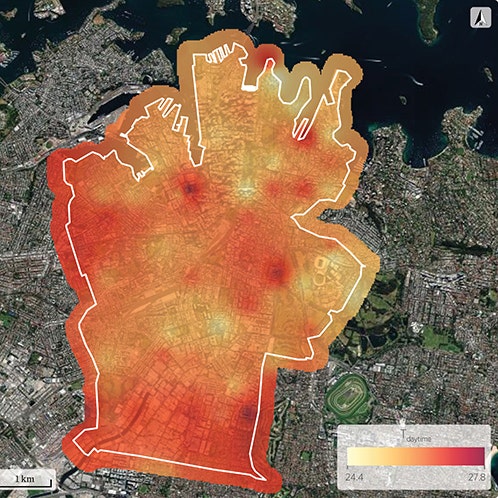
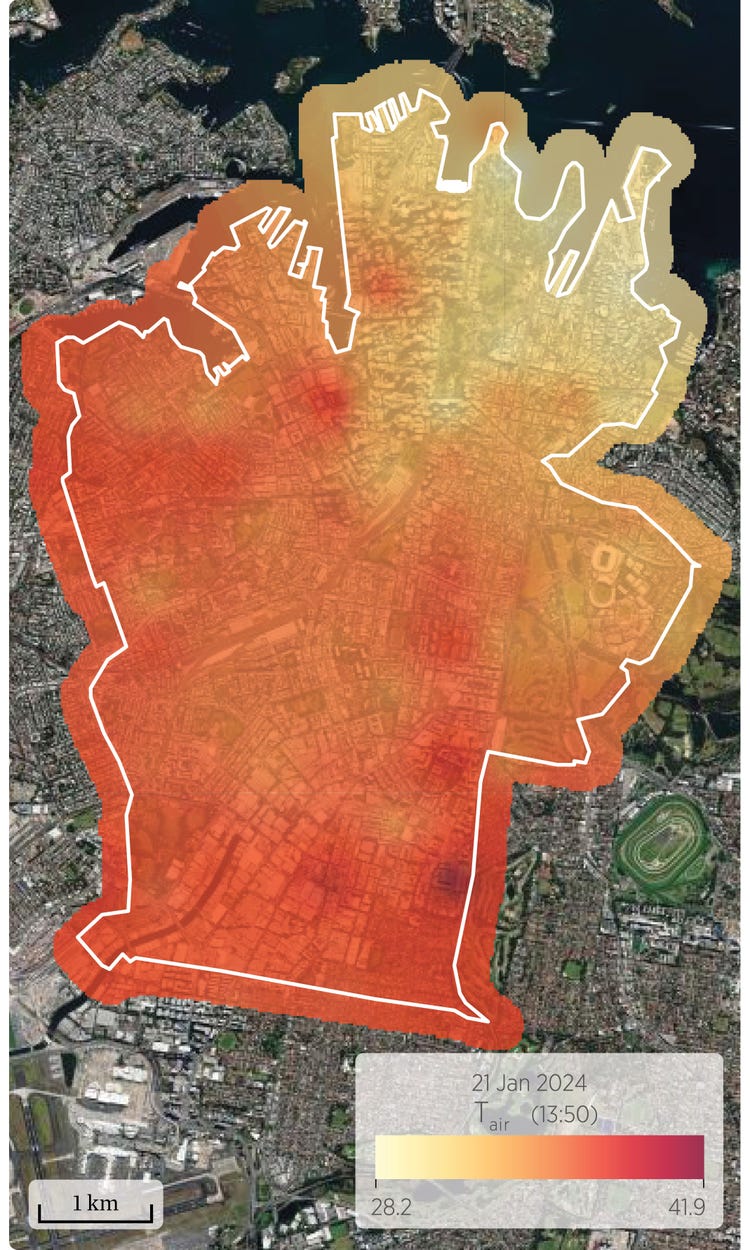
A new microclimate report reveals suburbs near the harbour are up to 15 degrees cooler than those in the City of Sydney’s south, during extreme heat.
The City of Sydney partnered with urban heat experts from Western Sydney University to map the region’s microclimates, through the most detailed analysis of urban heat ever carried out in the area.
Between December 2023 and March 2024 one and a half million measurements were taken using bespoke temperature gauges placed in parks, streets, the foreshore and industrial areas.
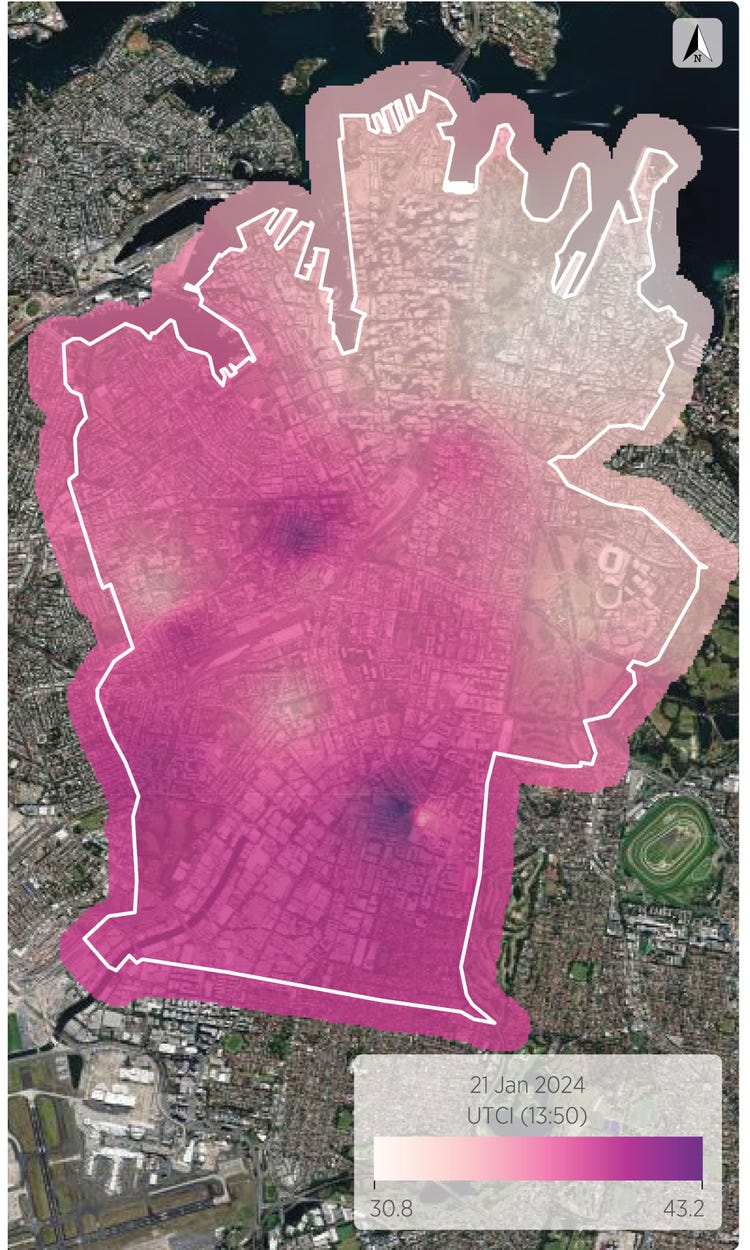
The hottest day was 9 December where a high of 45.3°C was observed in St Peters, while at the same time temperatures in the Botanic Gardens were 30°C.
Western Sydney University’s Professor Sebastian Pfautsch, from the Urban Transformations Research Centre and School of Social Sciences, said the results will help the City of Sydney cool suburbs and build resilience.
“With summers getting hotter it is vital that governments at all levels work to both mitigate the worst impacts of heat but also adapt and prepare for summers that are trending hotter,” said Professor Pfautsch.
“The microclimate report shows what needs to be done and where so that everyone not only has access to cool spaces on scorching summer days, but also knows where they are.
“Replacing hard surfaces with plants in southern, central and western areas is crucial. We must focus on innovative ways to bring nature back into an urban environment that is dominated by buildings, roads and other materials that only make summers hotter.”
The report found areas of Zetland, despite lots of urban development, are well cooled by mature urban tree canopy showing the cooling power of trees – a result of deliberate planning.
On the contrary, it found areas along Parramatta Road get very hot, strengthening the City of Sydney’s advocacy to make Broadway a cool, green spine complete with trees, a cycleway, light rail and more space for people walking.
The study also found that areas near large green open spaces, like Moore Park and Sydney Park, had lower mean nighttime temperatures. Among the warmest areas was Central Station at Haymarket.
“We are already experiencing the impacts of climate change. By 2050, urban heating is predicted to increase temperatures between 1.5 and 3 degrees, so it’s vital we plan, invest and adapt,” said Lord Mayor of Sydney, Clover Moore AO.
“This study has given us remarkable insights into Sydney’s microclimates and will help us to better target strategies that maintain the liveability of our area, even with the climate changing around us.
“We’re increasing tree canopy particularly in areas we know need attention. This will continue to create a cooler, well-shaded city and help reach our ambitious goal of 40% green coverage by 2050. And our work with St Vincent’s Hospital ensures vulnerable members of our community can access cooling shelters when the mercury soars.”
The full report can be found here (opens in a new window).
ENDS
14 March 2025
Latest News
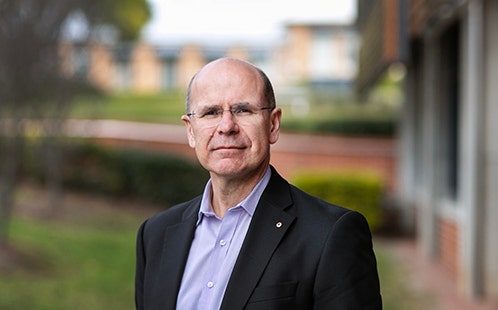
ABC RN transcript: Vice-Chancellor Professor George Williams discusses higher education sector, student support, and the impact of AI
The following is a transcript of an interview that aired on ABC Radio National Saturday Extra between presenter, Nick Bryant and Vice-Chancellor, Distinguished Professor George Williams AO.
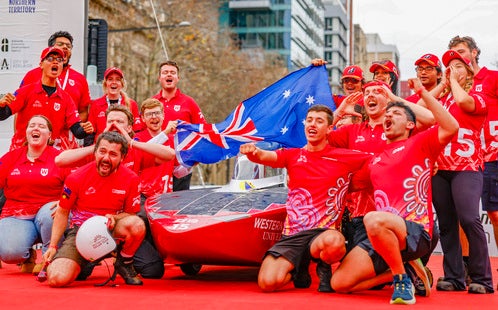
Western Sydney University are the number one Australian solar car team at the 2025 Bridgestone World Solar Challenge
Western Sydney Solar Car team has crossed the finish line placing preliminarily sixth in the world overall, and the number one Australian team in the world’s most prestigious solar car challenge.
Western Sydney University Statement on Cyber Incidents
Western Sydney University has issued an update to its community following confirmation that previously stolen personal information was published online, including on the dark web.