Western Sydney University experts available to discuss unseasonably warm weather and bushfire concerns
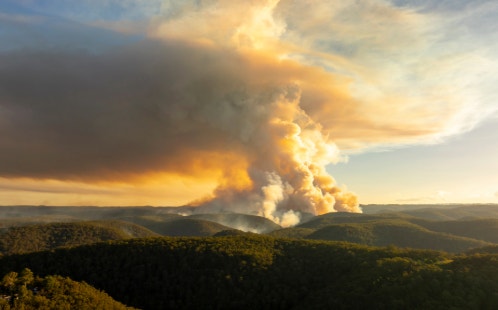
Western Sydney University experts are available to comment on the unseasonably warm weather, including any associated environmental impacts and bushfire concerns surrounding today’s forecast.
Associate Professor Rachael Nolan, Hawkesbury Institute for the Environment, estimating bushfire risk and impacts
Associate Professor Nolan works at the intersection of plant ecophysiology, fire ecology and forest fire management. Her research bridges science, policy and management, aiming to provide an early warning of the risk of bushfires, and to predict their impacts on ecosystems under a changing climate. Associate Professor Nolan is the Director of the NSW Bushfire and Natural Hazards Research Centre.
“Unseasonal warm and windy conditions can quickly dry out fuels, leading to the risk of fire, particularly grass fires.”
Associate Professor Ian Wright, School of Science, water quality and ecological impact
Associate Professor Wright teaches classes in water science and management, environmental planning and environmental regulation. He has been a water scientist for more than 30 years and now leads a small team that conducts high-impact and highly engaged research that addresses water resource sustainability issues. He has published research on the water quality and ecological impact of wildfires on streams and high conservation-value peat wetlands in the Blue Mountains area, including the Greater Blue Mountains World Heritage Area.
“Much of NSW and the Sydney, Illawarra and Blue Mountains has had lots of rain over the last few years, and this year to date. Now that the heat has arrived - this means that flourishing plant growth could soon dry out. This can make bushfire conditions much worse.”
“I recommend that people update their bushfire plans - and clear away flammable objects from around the house. This includes cleaning accumulated leaves from house gutters.”
Dr Thomas Longden, Urban Transformations Research Centre, temperature and energy
Dr Thomas Longden is a senior researcher at Western Sydney University's Urban Transformations Research Centre (UTRC). His work on temperature-related mortality and temperature-related energy insecurity has been published in leading international journals, including Nature Energy, and Climatic Change.
"One of the most confronting impacts of extreme heat is the risk of deaths and ill health from hot weather. Heat stress can exacerbate existing health conditions including diabetes, kidney disease and heart disease. Older people are particularly vulnerable."
"Heat is more dangerous than the cold in most Australian regions. 2 per cent of deaths in Australia between 2006 and 2017 were due to the heat. In the three warmer climate zones this number was higher, ranging from 4.5 per cent to 9.1 per cent of deaths. In the coldest climate zone, 3.6 per cent of deaths were due to the cold and the heat was less dangerous."
"A lack of acclimatisation can make some heatwaves more dangerous than others due to the physiological impact on people's thermoregulation. These events mean that people get caught out."
"Temperature extremes will increase the demand for electricity due to the need to cool homes, which can become an expense that places greater pressure on already stretched budgets. The type of billing will change how this energy affordability issue affects households."
Adjunct Associate Professor Karleen Gribble, School of Nursing and Midwifery, young children and families in emergencies
Adjunct Associate Professor Gribble is a world-leading researcher on infants and young children in emergencies and has been involved in research, policy development and training in this area since 2006. She is the Project lead on the Australian Breastfeeding Association’s Community Protection for Infants and Young Children in Bushfires Project. This Australian-first project is conducting research on the experiences of caregivers of infants and young children during the Black Summer and is working with organisations on the NSW South Coast to pilot emergency planning and preparation to support very young children in future bushfires.
“The research that I conducted in the Babies and Young Children in the Black Summer (BiBS) Study found that having a baby or toddler profoundly impacted parents' experience of the disaster. For some, it delayed evacuation as they tried to gather items for their child or they ended up in evacuation centres that were really quite dangerous places for their children. Babies and toddlers are especially vulnerable to heat stress and dehydration during hot weather, making emergency situations even more challenging for parents. Parents need to be making a disaster plan now, including planning to leave early, packing an evacuation kit for their child, and arranging to evacuate to a friend or family member's home rather than an evacuation centre if possible.
The Australian Breastfeeding Association, in partnership with the BiBS Study, has developed valuable resources, including quick preparation guides and evacuation kit lists tailored to parents of young children. For more information, visit Australian Breastfeeding Association Emergency Resources (opens in a new window).
For further insights, read Adjunct Associate Professor Gribble’s recently published paper on the experiences and support for caregivers during the 2019-2020 bushfires: Experiences and Support for Caregivers of Infants and Young Children (opens in a new window).
ENDS
30 August 2024
Photo credit: Adobe Stock Images
Latest News
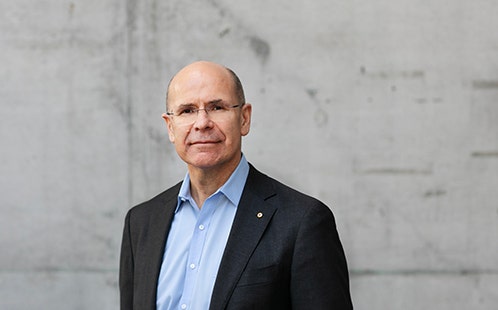
ABC RN transcript: Vice-Chancellor Professor George Williams discusses higher education sector, student support, and the impact of AI
The following is a transcript of an interview that aired on ABC Radio National Saturday Extra between presenter, Nick Bryant and Vice-Chancellor, Distinguished Professor George Williams AO.
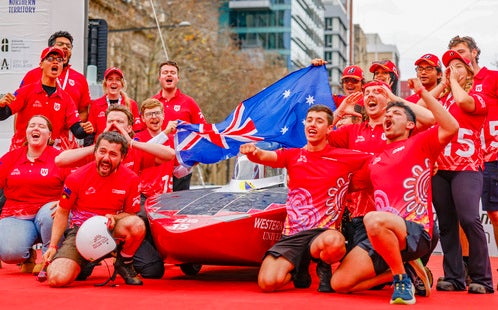
Western Sydney University are the number one Australian solar car team at the 2025 Bridgestone World Solar Challenge
Western Sydney Solar Car team has crossed the finish line placing preliminarily sixth in the world overall, and the number one Australian team in the world’s most prestigious solar car challenge.

Western Sydney University Statement on Cyber Incidents
Western Sydney University has issued an update to its community following confirmation that previously stolen personal information was published online, including on the dark web.