Teens experiencing mental ill-health sleep less, study finds
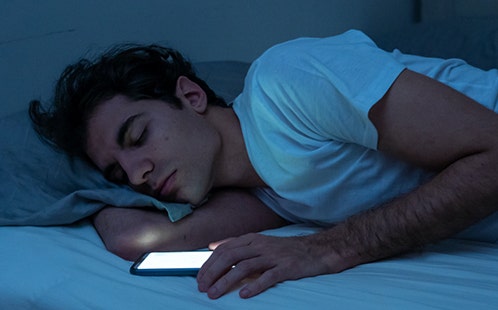
Australian teenagers experiencing increased levels of psychological distress and high social media use are more likely to sleep less than the recommended amount, according to a new study.
Published in BMJ Open (opens in a new window), the study found teens with high levels of psychological distress had a higher chance of sleeping less than the 8-10 hours recommended a night.
Similarly, teens who had high social media usage and spent longer periods on homework were also more likely to sleep less than 8 hours.
The 1,295* participants initially recruited for the study via social media were from Sydney, and most of those surveyed were females aged between 16-18.
Vikas Arya, Research Fellow in the Centre for Mental Health and Community Wellbeing at the Melbourne School of Population and Global Health, said the study is novel in that it shows how mental wellbeing impacts sleep, and also how sleep impacts levels of psychological distress.
“This study highlights the adverse impacts of higher psychological distress and greater numbers of hours spent on social media and homework on sleep duration,” he said.
"There's a negative feedback loop that happens with sleep and mental wellbeing, so we found that psychological distress was associated with fewer hours of sleep at night while decreasing sleep duration was linked with increased psychological distress.
“Looking ahead, we’d encourage health education programs in schools focusing on the significant benefits of mental well-being and restful, restorative sleep at night.”
Dr Sithum Munasinghe, Post-Doctoral Associate Research Fellow from the Translational Health Research Institute at Western Sydney University said the impact of social media use on sleep could be explained in a few different ways.
“It’s possible that significant social media use may actually replace sleep hours, or that social media use may stimulate emotional or psychological arousal which impedes sleep,” he said.
“It may also be the case that using phones before bed might prolong the time it takes to fall asleep.”
The study was led by the University of Melbourne, Western Sydney University and University of Sydney.
*Note: Just over 25 per cent of those recruited responded to at least one follow-up.
If you or anyone you know needs help or support, please get in touch with Kids Helpline (opens in new window) on 1800 55 1800 or Lifeline (opens in a new window) on 13 11 14.
ENDS
17 October 2024
Latest News
ABC RN transcript: Vice-Chancellor Professor George Williams discusses higher education sector, student support, and the impact of AI
The following is a transcript of an interview that aired on ABC Radio National Saturday Extra between presenter, Nick Bryant and Vice-Chancellor, Distinguished Professor George Williams AO.
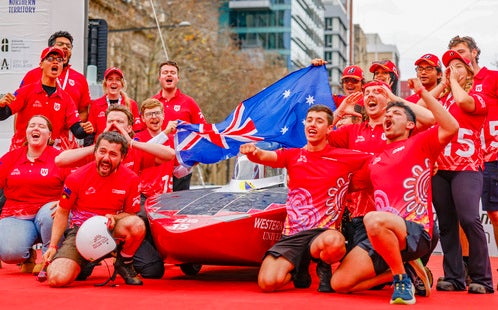
Western Sydney University are the number one Australian solar car team at the 2025 Bridgestone World Solar Challenge
Western Sydney Solar Car team has crossed the finish line placing preliminarily sixth in the world overall, and the number one Australian team in the world’s most prestigious solar car challenge.

Western Sydney University Statement on Cyber Incidents
Western Sydney University has issued an update to its community following confirmation that previously stolen personal information was published online, including on the dark web.