Physical inactivity costs Western Sydney $1.5 billion per year and increases health risks, new report reveals
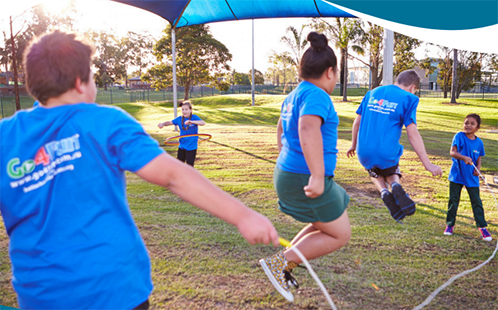
Western Sydney is grappling with a physical inactivity crisis, with over 40 per cent of adults insufficiently active - compared to less than 30 per cent in other parts of Sydney - according to a new report from Western Sydney University’s Centre for Western Sydney and WSYD Moving.
Additionally, the report reveals that physical inactivity costs the Western Sydney economy approximately $1.5 billion per annum in health burden, lost productivity, and mortality.
Launched today, the report Tackling Inactivity and Inequity in Western Sydney: A Systems Approach (opens in a new window) sheds light on the barriers faced by Western Sydney communities and outlines a plan to create more equitable health outcomes through active lifestyles.
The Australian Heart Foundation estimates that insufficient exercise is a risk factor for 72 to 76 per cent of heart disease in Western Sydney, compared to 52 to 65 per cent in the rest of Sydney.
Furthermore, Western Sydney residents suffer from higher rates of diabetes, obesity, and heart disease with approximately 13 per cent of the Western Sydney population estimated to have Type 2 diabetes.
The report provides five key recommendations to address systemic barriers and leverage the strengths of the Western Sydney region:
- Adopt a systems approach to combat inactivity in Western Sydney
- Prioritise a preventive health agenda centred on active lifestyles
- Address cultural and community-specific barriers to activity
- Invest in and activate spaces in the most marginalised areas
- Empower systems leadership at the local level
Lead researcher of the report, Dr Angela Smith from Western Sydney University’s Centre for Western Sydney, said that the findings of the report indicate that Western Sydney residents encounter various inequities and obstacles to engaging in physical activity.
“These disparities are tied to structural barriers such as socioeconomic status, time pressures, cost of living challenges, care responsibilities, and limited access to inclusive recreational spaces and programs to cater to Western Sydney’s diverse population,” said Dr Smith.
“Western Sydney residents face other barriers such as poor transport connectivity, limited walkability, and high heat vulnerability.”
Lead author of the report, David Burns from WSYD Moving, emphasised the importance of a coordinated, multi-stakeholder approach to tackle this entrenched issue.
“Physical activity is ultimately an equity issue. It’s not just about individual choice; it’s about how the system works. Our report is a call for greater cross-sector collaboration,” said Mr Burns.
“This is an issue that demands strategic investment to ensure that everyone can enjoy the benefits of sport, recreation and physical activity.”
Dr Rhonda Itaoui, Director of the Centre for Western Sydney, said this new collaboration with WSYD Moving is critical for addressing inactivity in the Western Sydney region.
“The diverse and growing populations in the region deserve equitable access to resources that support active lifestyles. By working together, we can create an environment where everyone in Western Sydney can thrive through physical activity, sport, and recreation,” said Dr Itaoui.
“Quantifying the costs of inactivity and proposing a systems-based plan needed to truly address these challenges are both vital to reducing disparities and fostering inclusive communities.”
To download the full report, please visit the website here (opens in a new window).
ENDS
21 November 2024
Latest News
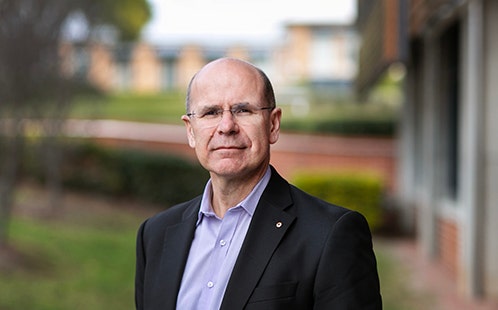
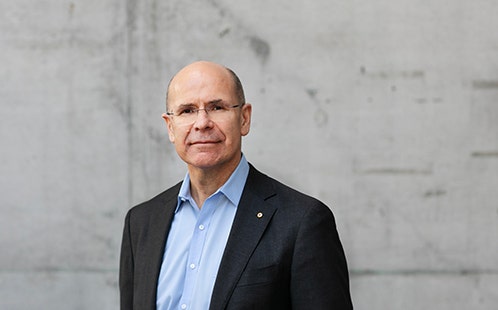
ABC RN transcript: Vice-Chancellor Professor George Williams discusses higher education sector, student support, and the impact of AI
The following is a transcript of an interview that aired on ABC Radio National Saturday Extra between presenter, Nick Bryant and Vice-Chancellor, Distinguished Professor George Williams AO.
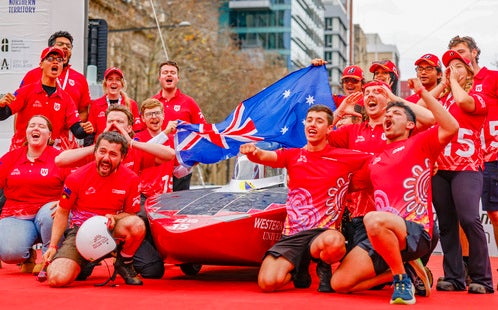
Western Sydney University are the number one Australian solar car team at the 2025 Bridgestone World Solar Challenge
Western Sydney Solar Car team has crossed the finish line placing preliminarily sixth in the world overall, and the number one Australian team in the world’s most prestigious solar car challenge.

Western Sydney University Statement on Cyber Incidents
Western Sydney University has issued an update to its community following confirmation that previously stolen personal information was published online, including on the dark web.