HSC Exam leadup — Western Sydney University experts available for interview

In the lead up to HSC exams, experts from Western Sydney University are available to talk about a range of topics. These include healthy and effective study habits and learning strategies, the role of sleep in academic success, and maintaining mental health during exam preparation.
Dr Erin Mackenzie, School of Education, Educational Psychology
Dr Mackenzie is a Senior Lecturer in the School of Education and a researcher in the Centre for Educational Research at Western Sydney University. She has experience teaching in secondary schools and universities, and lectures in educational psychology and STEM education. Her research interests include adolescent online interactions, coping, and the role of psychological and social factors in adolescent girls’ participation in STEM.
Her advice to students was, “maintaining healthy and effective study habits is so important in the lead up to final exams. It can be tempting to stay up late studying, but this is counterproductive because not getting enough sleep reduces the effectiveness of your study (both that day and the next!). Study that includes practice questions, is spaced out over time, and focuses on different subjects for short periods can be particularly effective. Taking care of your physical and mental health is important too – don’t forget to take regular breaks to exercise and socialise to help keep stress levels manageable.”
Associate Professor Gabrielle Weidemann, School of Psychology; MARCS Institute for Brain, Behaviour and Development; and Translational Health Research Institute
Gabrielle Weidemann is an Associate Professor of Psychological Sciences with expertise on associative learning and memory. Associative learning is the mechanism through which we learn automatic responses to things in our environment, such as feeling afraid in anticipation of an exam or salivating when you see a picture of chocolate. Associative learning is also involved in learning about the consequences of our behaviour, so that we can optimise our behaviour to bring about the outcomes we want and reduce the outcomes we want to avoid, such as studying to achieve academic success.
“The most effective methods of study are those which involve integrating what you are learning with what you already know and remember. Study which involves gaining a deeper understanding of what you are learning and the application of this learning to practical situations helps to integrate what you are learning with your existing knowledge and memories.”
“Sleep is important for the consolation of information in long term memory. So good sleep is just as important as effective study.”
Dr Andrew McKinnon, School of Psychology, Psychological Science
Andrew McKinnon is an Associate Lecturer and Clinical Neuropsychologist within the School of Psychology, as well as a Dementia Australia Research Fellow. He was previously a part of the Brain and Mind Centre at the University of Sydney. Dr McKinnon’s research focuses on modifiable risk factors for dementia, with a particular emphasis on sleep quality and how this impacts cognitive functioning, as well as associated structural and functional brain changes.
“Sleep plays a vital role in the maintenance of key brain processes across the lifespan. In adolescents poor sleep quality is linked to a range of problematic outcomes, including diminished cognitive performance in areas such as memory and attention - areas crucial for academic success – as well as an increased risk of depression and anxiety. As such, prioritising sleep quality and duration is crucial not only for optimising exam performance but also for promoting overall well-being. “
Dr Natalie Morrison, School of Medicine and Translational Health Research Institute, Mental Health
Natalie Morrison is a Senior Lecturer in Mental Health with over 15 years’ experience working in the field of mental health and psychology. Previously working at NSW Health, Macquarie University and the Australian College of Applied Psychology, Dr Morrison currently holds a clinical role as a school-based psychologist and specialises in anxiety, pain, and psychological trauma domains.
“Our minds (and bodies) don’t work optimally when they are doing the one thing on repeat. So, while study is important, so too is going for a walk, talking to friends and family, having a hug on the couch with a pet, or listening to music for some time out. When we take a balanced approach to study and play our mind works more effectively and efficiently.”
“As an academic, the students I teach have all ended up in the same classroom having taken very different routes, over different time periods, to get to the same place. Keeping the perspective that that there are many ways to get where you want to go in life is very important, and that while the HSC might seem to offer a fast-track option, it is just one part of the journey.”
“Exams can naturally create stress and if we don’t make sure to get adequate rest, sleep, nutrition and exercise, this can negatively impact our mental health and immune system. Caring for your whole mind and body is really key to being the healthiest version of you as you sustain yourself across several weeks of exams.”
To arrange an interview, please email media@westernsydney.edu.au.
ENDS
23 September 2024
Photo credit: Unsplash via Tim Gouw
Latest News
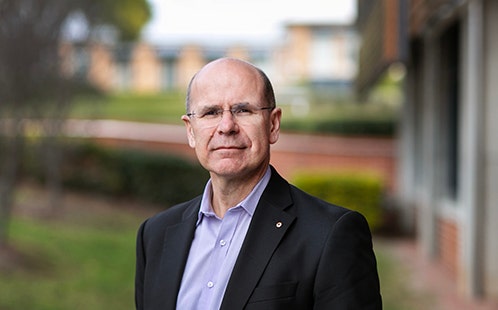
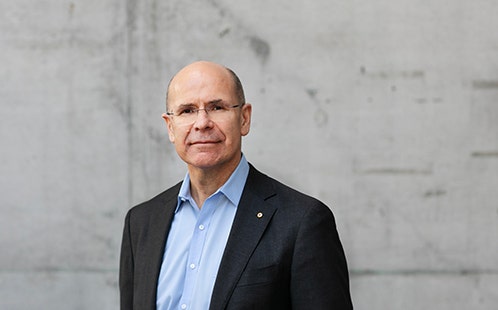
ABC RN transcript: Vice-Chancellor Professor George Williams discusses higher education sector, student support, and the impact of AI
The following is a transcript of an interview that aired on ABC Radio National Saturday Extra between presenter, Nick Bryant and Vice-Chancellor, Distinguished Professor George Williams AO.

Western Sydney University are the number one Australian solar car team at the 2025 Bridgestone World Solar Challenge
Western Sydney Solar Car team has crossed the finish line placing preliminarily sixth in the world overall, and the number one Australian team in the world’s most prestigious solar car challenge.

Western Sydney University Statement on Cyber Incidents
Western Sydney University has issued an update to its community following confirmation that previously stolen personal information was published online, including on the dark web.