World-first study shows VR technology can improve anxiety and depression in adults with disabilities
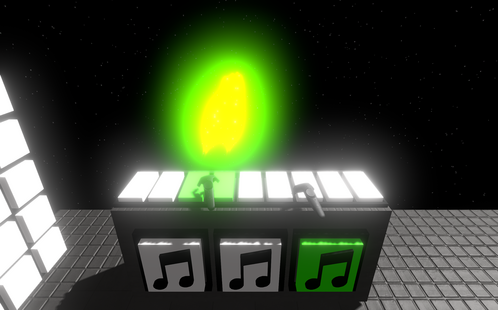
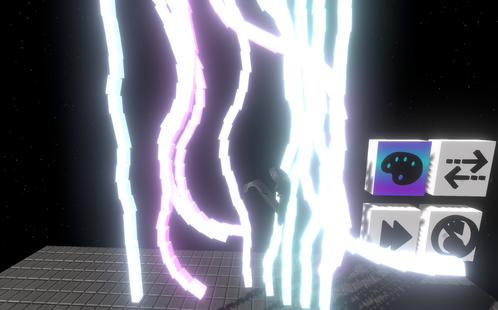
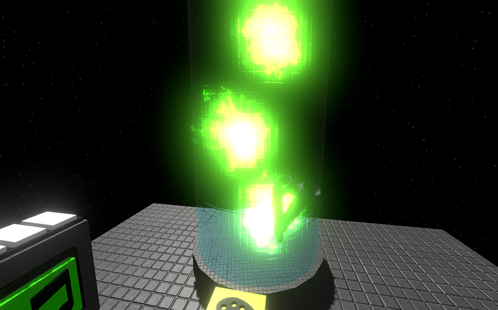
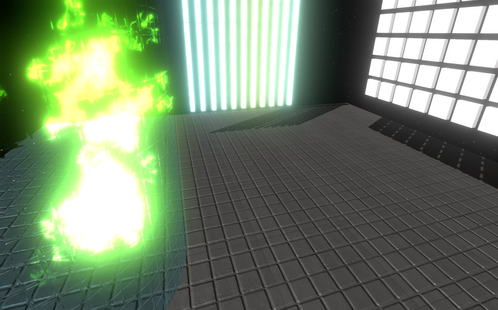
Click image to open photo gallery. Image credit: Devika.
A world first study led by Western Sydney University has found significant improvements in anxiety, depression, and sensory processing in adults with disabilities following the use of new Evenness Virtual Reality (VR) Sensory Space technology.
Published in Nature Scientific Reports Journal (opens in a new window), the study revealed the immersive Evenness VR Sensory Space with interactive sight, sound, and touch experiences had improved outcomes for adults with neuro-developmental disabilities including autism and intellectual disability.
The five-month preliminary study involved 31 adults with varying neuro-developmental disabilities and their carers to evaluate the viability and health benefits of the Evenness VR technology as an effective intervention tool.
Co-lead researcher, Dr Caroline Mills from Western Sydney University’s School of Health Sciences and Translational Health Research Institute, says the promising application of immersive VR in the disability sector has exciting potential to inform new practices for organisations who support people with a neurodevelopmental disability.
“Our findings have shown that VR technology may offer a promising avenue for the provision of sensory interventions and an effective calming tool, with the most prominent benefit reported by users being a reduction in anxiety,” said Dr Mills.
Professor Danielle Tracey, co-lead author from Western Sydney University’s School of Education and Translational Health Research Institute, says the Evenness VR Sensory Space could have effective application as a clinical intervention.
“Given the preliminary nature of this study, we are pursuing more robust future study designs to better understand the benefits and ensure the program can be used in real life environments to support the people that need it,” said Professor Tracey.
The study was conducted in collaboration with researchers from the University of Wollongong, in partnership with The Disability Trust, and tech company Devika.
Ken Kencevski, Managing Director of Devika, says the findings significantly support the evolution of the program.
"Dr Mills and the team have allowed us to improve and validate Evenness Sensory Space as we look to increase its positive impact to individuals, centres and communities around Australia."
For more information on the Evenness Virtual Reality Sensory Space application and technology, visit the webpage here (opens in a new window).
A research report authored by Dr Caroline Mills and Professor Danielle Tracey titled 'E xploring the benefits of the Evenness Virtual Reality Sensory Room' (opens in a new window) is also available online.
ENDS
20 January 2023
Image and video credit: Devika
Latest News
ABC RN transcript: Vice-Chancellor Professor George Williams discusses higher education sector, student support, and the impact of AI
The following is a transcript of an interview that aired on ABC Radio National Saturday Extra between presenter, Nick Bryant and Vice-Chancellor, Distinguished Professor George Williams AO.
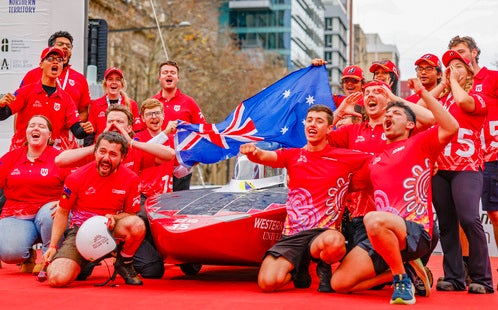
Western Sydney University are the number one Australian solar car team at the 2025 Bridgestone World Solar Challenge
Western Sydney Solar Car team has crossed the finish line placing preliminarily sixth in the world overall, and the number one Australian team in the world’s most prestigious solar car challenge.

Western Sydney University Statement on Cyber Incidents
Western Sydney University has issued an update to its community following confirmation that previously stolen personal information was published online, including on the dark web.