New study finds lethal pathogen causes widespread biological disruption for frogs, but responses differ by species
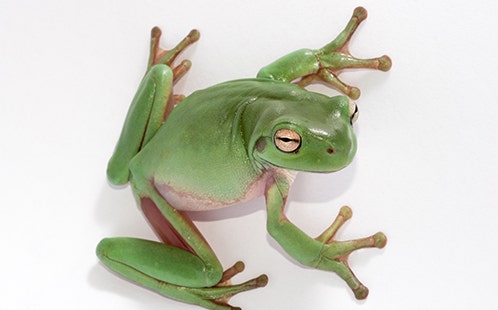
A new study by a Western Sydney University researcher has explored a lethal fungal pathogen causing widespread biological disruption for frogs, assessing how responses differ by species across the globe.
Published in Functional Ecology, the study looked at the chytrid fungus pathogen which is considered the most devastating single disease on biodiversity, contributing to the decline of at least 501 amphibian species.
Lead author Dr Nicholas Wu, from the University’s Hawkesbury Institute for the Environment, said the largest biodiversity decline caused by a single disease is chytridiomycosis, however, it is not known whether frogs infected with this fungus experience the same symptoms.
“Using a meta-analytic approach, the study revealed there are several commonalities in symptoms among frog species that provide a clearer idea of the mechanism of the disease, and therefore death,” said Dr Wu.
“These common symptoms can be used in conservation practices to predict how frogs who have not been exposed may respond to chytrid infection. For example, by swabbing a sick frog in the wild and knowing the pathogen load, we can predict what the animal might be experiencing without experimentally testing it directly.
“The findings suggest that if the pathogen load is low, the host may experience skin disruption only and changes in immune response, but at a high pathogen load, they will experience changes in reproduction and body condition.”
With the growing number of emerging infectious diseases, meta-analytic approaches can be a useful tool to better understanding disease dynamics in an ecological context Dr Wu explained.
“Emerging infectious diseases have contributed to the ongoing loss of biodiversity worldwide. How species respond to infectious pathogens depends on a myriad of environmental factors, as well as differences in the host and pathogen traits,” he said.
“Different ‘traits’ related to an animal’s fitness such as body condition, reproduction or metabolic rate may be more sensitive to pathogen load, and understanding similarities in trait sensitivity can help understand disease impact and help wildlife management efforts.”
For more information, download and read Pathogen load predicts host functional disruption: A metaanalysis of an amphibian fungal panzootic here(opens in a new window).
ENDS
17 January 2023
Photo credit: Cameron Baker
Latest News

ABC RN transcript: Vice-Chancellor Professor George Williams discusses higher education sector, student support, and the impact of AI
The following is a transcript of an interview that aired on ABC Radio National Saturday Extra between presenter, Nick Bryant and Vice-Chancellor, Distinguished Professor George Williams AO.

Western Sydney University are the number one Australian solar car team at the 2025 Bridgestone World Solar Challenge
Western Sydney Solar Car team has crossed the finish line placing preliminarily sixth in the world overall, and the number one Australian team in the world’s most prestigious solar car challenge.

Western Sydney University Statement on Cyber Incidents
Western Sydney University has issued an update to its community following confirmation that previously stolen personal information was published online, including on the dark web.