Western Sydney University celebrates next generation of Indigenous doctors
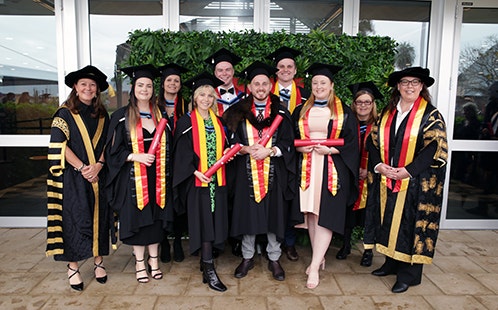
Western Sydney University is delighted to celebrate a group of medical students – Amanda Cooksley-Davis from the Gamilaraay and Murrawarri nations, Brandon Kober-Brown from the Dja Dja Wurrung clan, Wiradjuri woman Kate Jeffery, Mikaela Hartley from the Wiradjuri mob, and Shayne Miller from the Gamilaraay and Ngarabul mobs – who proudly donned the Indigenous sash to cross the stage at their recent graduation ceremony.
Distinguished Professor Annemarie Hennessy AM, Dean of the School of Medicine, said the inspiring students represent the next generation of Indigenous doctors and medical professionals.
“Western Sydney University is incredibly proud to support Indigenous students to achieve their aspirations in the field of medicine,” said Distinguished Professor Hennessy.
“Amanda, Brandon, Kate, Mikaela, and Shayne have made unique and valued contributions as students, and we look forward to watching them excel in their careers.”
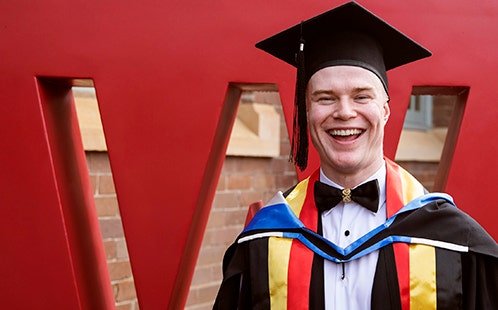
A proud Aboriginal man from the Dja Dja Wurrung clan, Brandon Kober-Brown graduated with a Bachelor of Medicine and Bachelor of Surgery – in future to be known as the Doctor of Medicine – alongside his peers.
Currently working as a medical intern at Royal North Shore Hospital, Brandon is preparing to sit the General Practice college (RACGP) entrance exam with hopes of becoming a GP.
“Growing up in regional NSW, I saw firsthand the health deficit faced by people in rural and remote areas. If you needed to see a specialist medical doctor, you would often need to travel to Orange or even Sydney or Dubbo. Something I thought was unacceptable,” said Brandon.
“I consider myself a pragmatic person, and I am a big believer in the phrase 'if you want something done, do it yourself’. And that's what I did! I have decided that GP is the career path that I am going to go down. I believe that GPs can make a genuine difference in their communities and the health of their patients.”
Attending University wasn't always a pathway that Brandon considered, but after completing work experience at Aboriginal Medical Service during his final year of high school, he realised the positive impact a culturally safe health environment can have on communities.
“I felt a real sense of commitment to studying medicine because I wanted to do good in the world and leave it a better place for the next generation. This was multifactorial and included the need to help Aboriginal people, address the health crisis that rural and remote Australians face, and I wanted to challenge myself,” he said.
“Having First Nations doctors is critically important to the Australian health system, and it promotes a culturally safe environment and fosters a sense of community. Currently, in Australia, there is population parity in medical student numbers. But only about 400 First Nations doctors are registered in Australia, far from population parity. Thus, the continued injection of First Nations doctors is so important to help close the gap and ensure we don't go backwards.”
Brandon said studying medicine wouldn't have been possible without essential support including from his closest friends. He also was the proud recipient of the Brenton Banfield Medical Scholarship and School of Medicine Rural Accommodation Scholarship during his studies.
“I think that higher education is a holistic experience. It's not just about coming out on the other side and having a fancy piece of paper. It's the journey you go through to get to that point. Studying at University teaches you how to live in the “real world”. It's about the connections and friendships you make along the way, and that's just as important as the degree at the end.”
“Finishing medicine has been my greatest achievement in life thus far, and it was the culmination of years of sacrifices, concessions, hard work, and academic success. The day I finished, I remember saying to myself, ‘I did it’.”
Professor Michelle Trudgett, Deputy Vice-Chancellor, Indigenous Leadership, said Indigenous doctors contribute greatly to our society and more needs to be done to support their ambitions.
“Indigenous doctors bring with them their unique cultural knowledge and understanding to our health system,” said Professor Trudgett.
“Their perspectives and care can help contribute to more positive health outcomes for Indigenous people, and we are very proud of the achievements of this group of exemplary graduates.”
During the University’s April ceremonies, 97 Indigenous students graduated from a variety of disciplines.
The University also awarded an Honorary Doctorate of Letters to Emeritus Professor MaryAnn Bin–Sallik AO – a Djaru Elder and pioneer for Indigenous participation in higher education.
“Western Sydney University is committed to supporting Indigenous success and increasing Indigenous representation in education, research and leadership roles,” added Professor Trudgett.
Read more about the University’s Indigenous Strategy 2020-2025 (opens in a new window) here.
ENDS
8 July 2022
Latest News
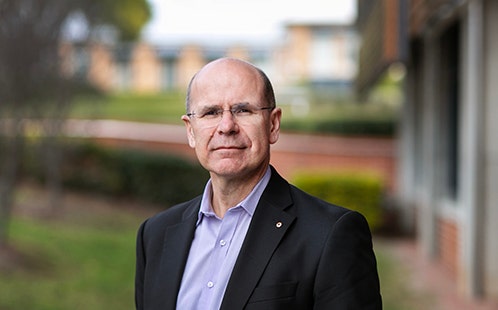
ABC RN transcript: Vice-Chancellor Professor George Williams discusses higher education sector, student support, and the impact of AI
The following is a transcript of an interview that aired on ABC Radio National Saturday Extra between presenter, Nick Bryant and Vice-Chancellor, Distinguished Professor George Williams AO.
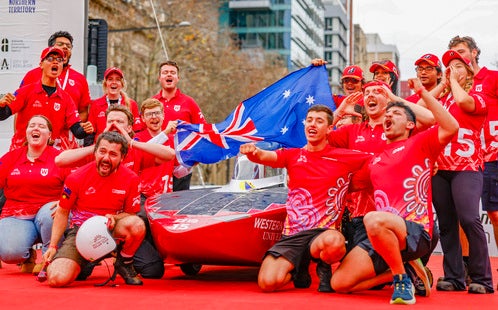
Western Sydney University are the number one Australian solar car team at the 2025 Bridgestone World Solar Challenge
Western Sydney Solar Car team has crossed the finish line placing preliminarily sixth in the world overall, and the number one Australian team in the world’s most prestigious solar car challenge.
Western Sydney University Statement on Cyber Incidents
Western Sydney University has issued an update to its community following confirmation that previously stolen personal information was published online, including on the dark web.