Expert: Babies will fare well against COVID-19 if they are kept close to mum
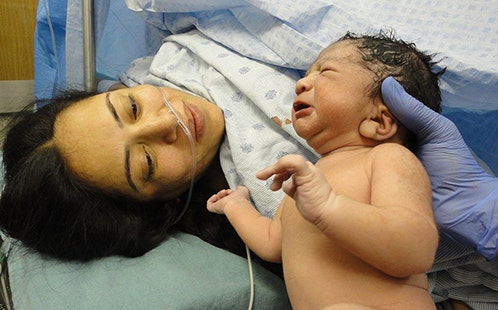
A Western Sydney University researcher has drawn on international evidence to compare the potential health implications of COVID-19 for newborn babies, against the damage that is known to be caused when infants are separated from their mothers.
In a new research review, published today in the Journal of Human Lactation,(opens in a new window) Adjunct Associate Professor Karleen Gribble from the University’s School of Nursing and Midwifery presents the impact of COVID-19 on infants in multiple countries.
She said various studies indicate that neonatal COVID-19 is uncommon, and almost never symptomatic – and that the rates of infection are no greater if the baby is breastfed or allowed contact with the mother.
“So far, we have every indication that it is rare for infants to contract the virus and – if they are COVID-19 positive – they tend to only experience mild symptoms and recover well,” said Associate Professor Gribble.
“In contrast, research clearly demonstrates there are significant, ongoing health and psychological implications if infants are separated from their mothers. So what the research overwhelmingly demonstrates is that, while infants generally fare well against COVID-19, what they cannot withstand is separation from their mother.”
Associate Professor Gribble said the World Health Organisation (WHO) recommends that, when a mother is suspected or confirmed as having COVID-19, infants should still be placed skin-to-skin after birth. It is also recommended that infants remain in close proximity to their mother, and for breastfeeding to be initiated.
“WHO weighed up the risks and benefits and concluded that – so long as the mother practices good hygiene; wears a mask, if one is available; cleans the surfaces she has been in contact with; and washes her hands regularly – COVID-19 infection is unlikely and mothers and infants should be kept together,” she said.
Despite the WHO recommendations, Associate Professor Gribble said some governments, professional organisations and hospitals – including in Australia – have implemented policies that are restricting mothers’ access to their babies, and are impeding their ability to establish breastfeeding.
“Some policies are advising against skin-to-skin contact, or are requiring mothers’ skin to be washed first. Even more concerning are the policies that advise against breastfeeding, or are keeping mothers separated from their infants,” she said.
“The intent of such policies is to protect infants, but the research is clear that the overall result is harm.”
Associate Professor Gribble said any policy that restricts maternal-infant proximity is deeply concerning, and does not acknowledge the importance of developing the early mother-child relationship or the importance of breastfeeding in achieving good health and developmental outcomes for infants.
“The time that an infant spends with its mother in the hours, days and months following birth is critical for developing a maternal bond; establishing breastfeeding; and for developing the child’s immunity through receiving their mother’s milk,” she said.
“Mothers who are deprived of breastfeeding and close proximity with their infant in the days after birth can find caring for their infant more difficult, resulting in higher rates of inadequate caregiving.
“The physiology of mothers and infants are entwined with one another. If this important process is interrupted, the implications for both mother and baby can be severe. If it is unavoidable that mothers and infants are separated from one another, hospitals must provide psychological support to both until and after reunion.”
Also in the Journal of Human Lactation, Associate Professor Gribble highlights a wealth of research evidence which shows that:
- Frequent breastfeeding is necessary to successfully establish and maintain breastfeeding.
- Isolating infants from mothers impacts the ability to establish a sufficient milk supply.
- Fewer breastfeeds during the first day of life have been associated with an increased risk of breastfeeding difficulties.
- Close physical contact is necessary for mothers to identify and respond to their infant’s feeding cues, and to feed frequently.
- Prohibition of skin-to-skin contact impedes breastfeeding.
- Washing mothers’ chest before skin-to-skin contact or breastfeeding may increase breastfeeding difficulty.
- When infants are skin-to-skin with their mothers and initiate breastfeeding immediately after birth, mothers experience a surge of oxytocin, a hormone implicated in facilitating maternal behaviours.
- Inability to suckle during skin-to-skin, after birth, has implications for breastfeeding success and for development of the mother-child relationship.
- Skin-to-skin contact reduces levels of the stress hormone cortisol in women for at least two days.
- Separating infants from their mothers for the first few days disturbs maternal attachment development, and impacts the ability for mother’s to develop responsive care for their infant.
- Lack of responsive care is traumatic for infants and has been associated with poor outcomes across multiple life domains.
- Absence of close contact between mothers and infants and short duration of breastfeeding undermine maternal caregiving capacity and results in higher rates of child neglect.
- Nursery care for infants results in increased rates of maltreatment, inadequate caregiving, and child protection involvement when compared to rooming-in care.
ENDS
7 August 2020
Image: Pixabay
Latest News

ABC RN transcript: Vice-Chancellor Professor George Williams discusses higher education sector, student support, and the impact of AI
The following is a transcript of an interview that aired on ABC Radio National Saturday Extra between presenter, Nick Bryant and Vice-Chancellor, Distinguished Professor George Williams AO.
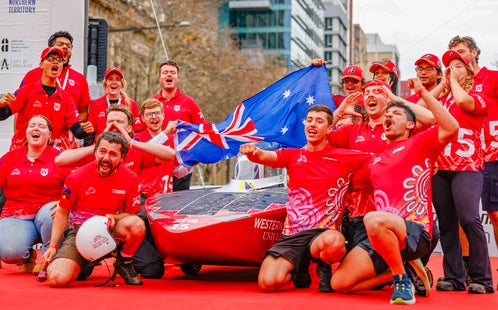
Western Sydney University are the number one Australian solar car team at the 2025 Bridgestone World Solar Challenge
Western Sydney Solar Car team has crossed the finish line placing preliminarily sixth in the world overall, and the number one Australian team in the world’s most prestigious solar car challenge.

Western Sydney University Statement on Cyber Incidents
Western Sydney University has issued an update to its community following confirmation that previously stolen personal information was published online, including on the dark web.