The MARCS Institute for Brain, Behaviour and Development
Understanding brains.
Shaping futures.
Improving lives.
Bringing together neuroscientists, engineers, and psychologists to study how the human brain develops and responds to sensory and technological stimuli across the lifespan, aiming to optimise human interaction and wellbeing at every life stage.
What we do best
Featured video-placeholder
How can we help you today?
Explore our Research
Across eight focus areas, we bridge brain science and technology to tackle modern society's biggest challenges—from lifespan discovery to real-world solutions
Partner with Us
Join forces with MARCS and be at the forefront of our research in health, defence, policy, data sciences and the arts.
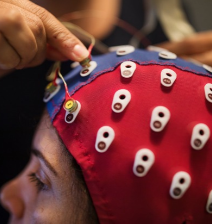
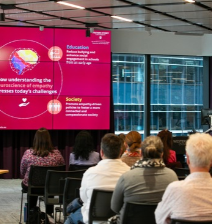
About Us
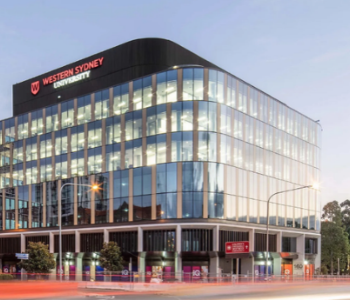
Western Sydney University’s MARCS Institute for Brain, Behaviour and Development conducts world-class interdisciplinary research that advances knowledge and finds sustainable solutions to practical problems concerning human interactions and communication, new and personalised technologies, and our interaction with the environment.
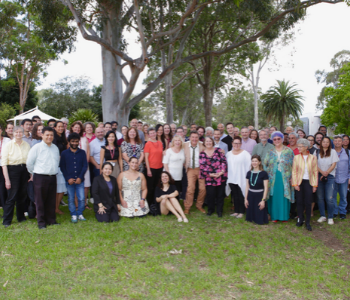
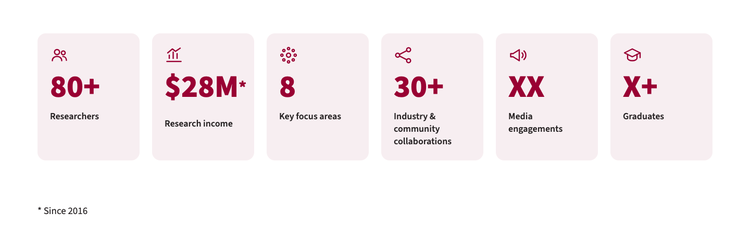
Established in 1999, MARCS was one of the first flagship research concentrations at Western Sydney University (WSU) and in 2012 was elevated to one of the four WSU Research Institutes. Located in the heart of the Westmead Health Precinct- one of Australia's largest health, innovation, research, education and training hubs, MARCS is home to more than 80 academic researchers, 15 administrative and technical support staff, 30 part-time research assistants and 50 PhD students. The Institute is committed to a culture that embraces equity and a diverse and inclusive community where everyone participates in a safe and respectful environment
Our Expertise
From fundamental neuroscience to real-world impact: The MARCS Institute connects human cognition, communication and artificial intelligence, spanning AI, neurotechnology, clinical translation and adaptive care environments.
What drives us?
Eight areas of expertise, one goal: bridging brain science and technology to tackle modern society's biggest challenges, from lifespan discovery to real-world solutions.
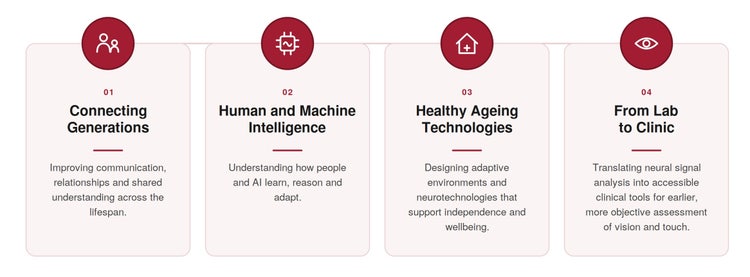
By bringing these disciplines together, we create space for new questions, new methods and new leaders. Looking ahead, our focus sharpens on the challenges where MARCS can make the greatest difference. Over the next two years, we will be investing in the people and ideas that will define the future of our research.
Our 2026/2027 emerging research leadership themes are:
Inside the Brain, Behaviour and Beyond
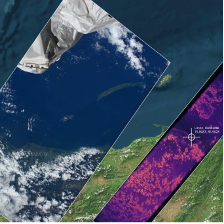
At the MARCS Institute, we strive to solve the problems that matter most through these themes. Our researchers come from cognitive science, developmental psychology, language and music science, cognitive neuroscience, and biomedical, electrical, electronic and software engineering. Together they explore how the brain develops and changes across life, how it creates and responds to music, art and language, and how its principles can inspire new technologies, from neuromorphic sensors to biomedical devices.
Early Learning & Development
(BabyLab)

Ageing
(Age Lab)
Neuromorphic Systems
Cognitive Neuroscience
Biomedical Engineering
Human Communication
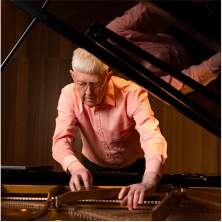
Music Science
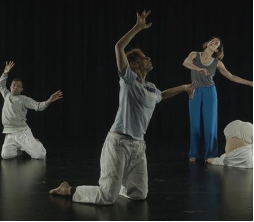
Art Science
ArtScience
Our ArtScience experts bring artists and researchers together to explore what becomes possible when creative practice meets scientific inquiry and emerging technology. We connect disciplines including music, dance, neuroscience, psychology, mathematics, engineering and language to develop new artworks, research collaborations and public experiences.
Our work investigates creativity, perception, movement, performance and human interaction. Artists and interdisciplinary teams can develop and informally present new creative expressions, experiment with technologies, and explore areas such as audience response, arts education, cognition, human-machine interaction, and the relationship between artistic and scientific discovery. The ArtScience Lab also supports the creation and testing of artist- and AI-generated content.
Based in Western Sydney, we aim to foster collaboration with independent creatives, culturally and linguistically diverse communities, schools and interdisciplinary STEAM teams. The Lab provides spaces and technologies that support creative development from early ideas through to new work, exhibitions, collaborative projects and public engagement.
Recent artist residencies have supported the development of work spanning dance, movement, animation, music and film. These activities create opportunities for artists, researchers and communities to exchange ideas, test new approaches and build collaborations across conventional disciplinary boundaries.
By bringing creative and analytical thinking into the same space, ArtScience opens new ways to understand human experience, expand creative practice and explore how art, science and technology can shape one another.
Projects

Study of Somatic Communication
Contact improvisation pioneer, Dr Nita Little, shares her insights into somatic communication and relational intelligence within improvisation ensembles that she has developed over five decades of exploration.
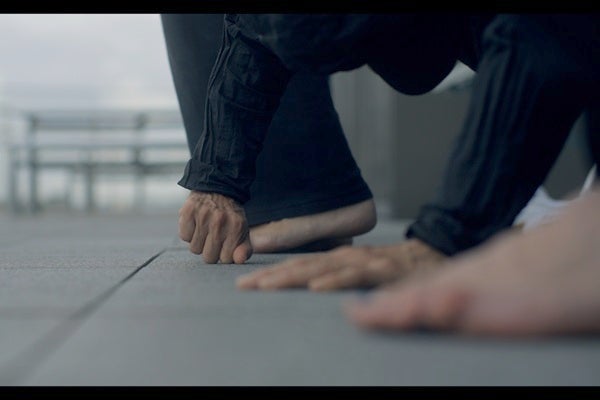
The Eden Project
The EDEN-Parramatta artist-in-residence program was a collaboration between FORM Dance Projects, Hawkesbury Institute for the Environment, and MARCS.
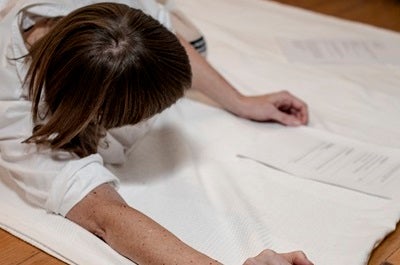
Long Sentences
In her project Long Sentences, choreographer and dancer Rhiannon Newton experiments with the intersection of embodiment and language.
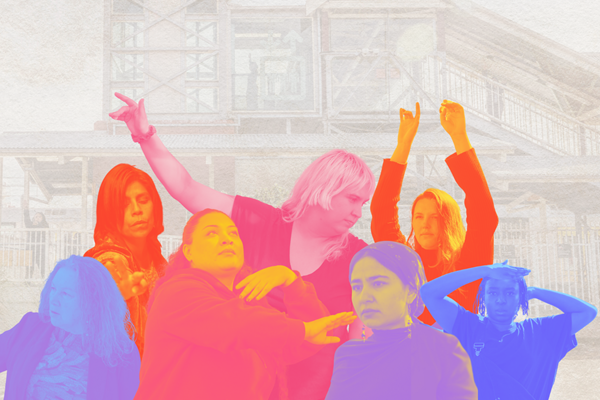
PTY Bodies Hold Histories
A new immersive dance work that celebrates the embodied intercultural, interdisciplinary, and intergenerational connections featuring a diverse group of dancers and movers on Dharug Country in Western Sydney.
Facilities
Our Facilities include:
- 3D Audio & Sound Lab
- Performance Studio
- Human-Machine Interface (HMI) Lab
Connect & Collaborate
Contact ArtscienceLab@westernsydney.edu.au to explore opportunities for collaboration, creative development and interdisciplinary research.
Cognitive Neuroscience
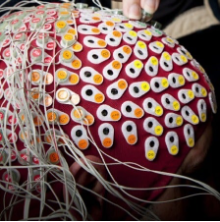
Our Cognitive Neuroscience Group is a collection of researchers investigating how the brain enables us to perceive, understand and interact with the world. We explore how neural activity gives rise to functions such as vision, attention, memory, decision-making, social interaction and the recognition of people and objects.
A distinctive strength of the group is its combination of neuroscience with advanced computational methods. Researchers use electroencephalography and other neuroimaging techniques alongside behavioural experiments, neural decoding, machine learning and brain-inspired artificial neural networks. These approaches allow us to examine not only where brain activity occurs, but how information develops over time, how it is transformed into meaningful representations, and how these processes vary between people.
Our research addresses fundamental questions about human cognition. How does the brain recognise an object when its appearance or orientation changes? Why are some people exceptionally good at recognising faces? How do attention and expectations shape perception? How do people represent themselves and others during social interaction? And how closely do artificial intelligence systems resemble the ways human brains process information?
We study these questions using controlled laboratory experiments, online behavioural studies and more naturalistic approaches that capture cognitive processes as people interact with other individuals and their environments. Our researchers also examine how vision, touch, hearing and information from the body are integrated to create a coherent experience of the world.
What makes cognitive neuroscience at MARCS distinctive is the group’s capacity to connect fundamental brain science with computational innovation and real-world challenges. Current projects are helping to improve access to digitised museum collections, understand exceptional face-recognition ability, make artificial intelligence more interpretable, and develop ways of studying cognition and brain health in real-world environments. By working across neuroscience, psychology, computer science, engineering, cultural organisations and health, we are developing new knowledge and practical approaches that place human perception and cognition at the centre of emerging technologies and environments.
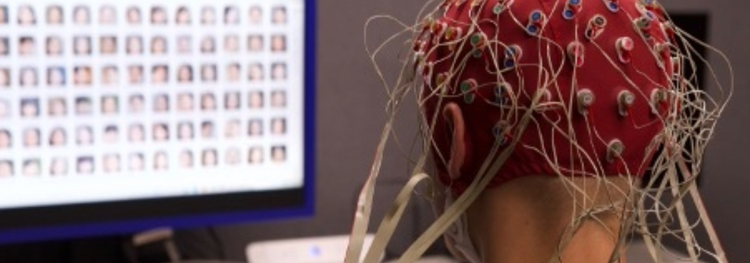
Project Areas
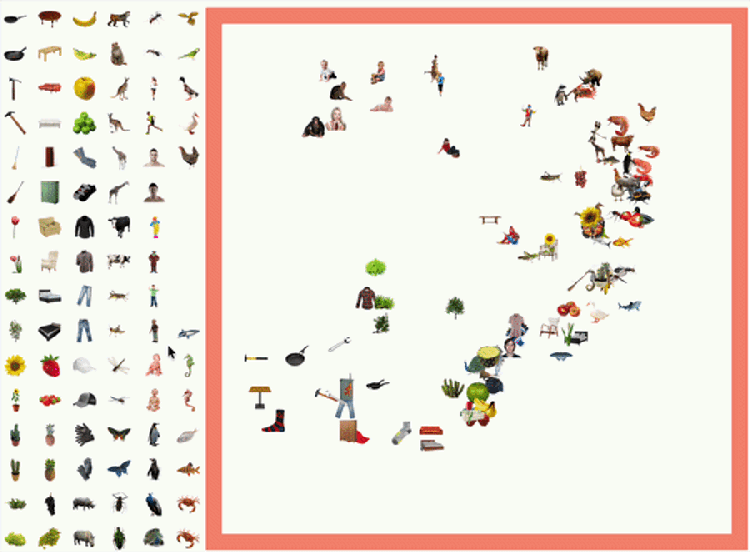
Object Perception
How do people perceive, recognise and organise objects across changing views, contexts and digital environments?
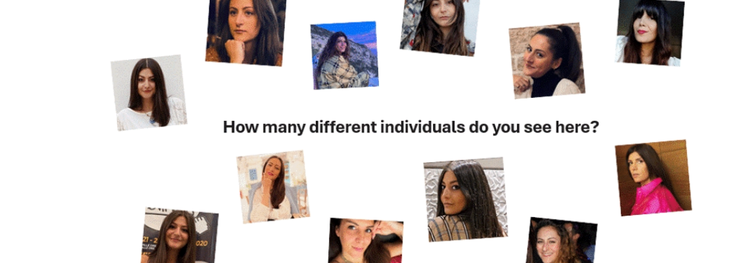
Face Perception
What neural mechanisms underly our ability to recognise and remember human faces and why does this vary across individuals?
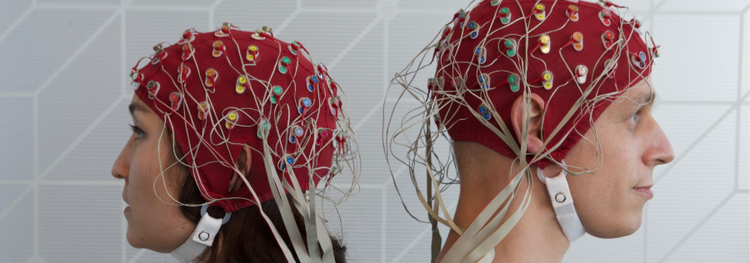
Interaction
How does cognition unfold through interaction: between people, between the body and environment, and between human and artificial systems?
Object Perception
This theme investigates how people perceive, recognise and organise objects across changing views, contexts and digital environments. By integrating behavioural experiments, EEG, neural decoding, machine learning and artificial vision models, the work will aims to reveal how object representations emerge, stabilise and support meaning over time. It connects human object perception, memory, decisions, and interpretable AI to create models and tools that change how visual information is discovered, classified and used across research, cultural and technological settings.
Funded Projects:
Seeing by Choice: How the Brain Recognises and Remembers in a Digital World – ARC Future Fellowship – Grootswagers
Engaging Digital Objects – ARC Linkage - Quek, Grootswagers, Varlet, Stevens, Lawler-Dormer (Powerhouse), Clarke (Powerhouse)
The dynamics of object representations in the human brain – Grootswagers – ARC Discovery Early Career Researcher Award - Grootswagers
Face Perception
This theme examines the neural mechanisms underlying our ability to recognise and remember human faces with a view to understanding why face recognition ability varies so widely across individuals. It brings together identity perception, contextual learning, super-recognition, individual differences, behavioural science, neuroimaging and computational modelling to build a deeper account of person recognition. The work aims to generate knowledge and tools that inform identity verification, security, education, social cognition and applied recognition contexts while keeping human variability at the centre of the science.
Funded Projects:
Neurobiometrics: Unlocking person identity codes in the ‘Super-Recogniser’ brain – ONI NISDRG - Quek, White (UNSW), Grootswagers, Varlet
Interaction
This theme studies cognition as it unfolds through interaction: between people, between the body and environment, and between human and artificial systems. It spans social interaction, attention, multisensory integration, embodied cognition and real-world approaches to measuring perception and brain activity beyond tightly controlled laboratory settings. By combining mobile and wearable sensing, EEG, behavioural methods and computational modelling, the work will create methods and models for understanding perception, attention and decision-making as they operate in naturalistic, social and technology-rich environments.
Funded Projects:
Brain mechanisms for coordinating with others through sound – ARC Discovery Project - Varlet, Keller, Nozaradan (UCLouvain), Poeppel (Max Planck)
Take it for a spin
Click here to try out some online demonstrations of our experiments
Facilities
Our Facilities include:
- Psychophysiology Lab
- High-speed Camera & Eye Tracking Lab
- Virtual, Augmented and Extended Reality Lab
Connect & Collaborate
Contact Tijl Grootswagers, Genevieve Quek or Manuel Varlet to explore opportunities.
Human Communication
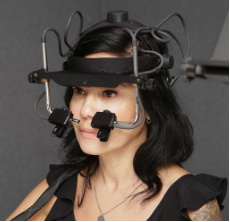
The Human Communication researchers at MARCS investigate how people learn, understand and use language across the lifespan. Our research explores how speech, language, culture and experience shape the ways people connect, learn and participate in society. We examine how infants and children learn speech sounds and words, how adults acquire additional languages, and how multilingual speakers manage multiple languages and dialects. We also investigate why people respond differently to the same language-learning experience and how training can be better matched to individual learners.
A major strength of our research is its focus on linguistic and cultural diversity. We study communication in monolingual and multilingual communities, the role of phonetic detail in speech perception and word learning, and the ways language experience influences learning and cognition. Computational modelling, speech analysis and corpus-based research help us identify patterns across speakers, languages and large collections of spoken-language data.
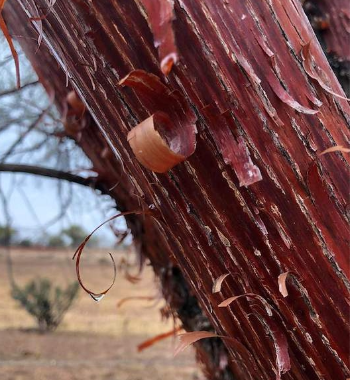
Indigenous languages revitalisation and reclamation is an important part of our work. MARCS researchers include five Indigenous Australian scholars leading projects on their languages (Dharug, Dharawal, Gumbaynggirr, Wangkumarra, and Aboriginal English). Current projects of our Indigenous languages teams more broadly investigate: resources and training to build a community, a field guide for the language of cultural burning, traditional knowledge of minnarityi trees (with Western’s Hawkesbury Institute for the Environment), adult learner-oriented apps and talking dictionaries, vocabulary development in young children, and the outcomes of community-engaged educational programs.
Our Human Communication researchers also work with communities and service providers on practical communication challenges, including workforce mapping, multilingual learning programs, communication in aged care, speech pathology screening and monitoring, and tracking developmental outcomes.
By combining behavioural experiments, speech analysis, neuroscience, computational modelling, language corpora and community co-design, we translate fundamental language science into practical resources for learners, educators, families, health professionals and communities. Our goal is to support people to learn, participate and be understood, while recognising languages as vital expressions of culture, identity, knowledge and connection.
Project Areas
Understanding the Mastery of Multiple Languages and Dialects
How multilingual experience shapes language processing and how learners perceive and organise the sounds and words of different languages and how they activate each depending on the context?
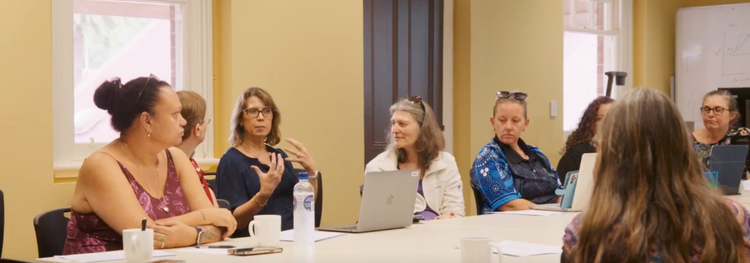
First Nations Languages Revitalisation and Reclamation
IHow can Indigenous language communities codesign and sustain digital technologies and educational programs that support language revitalisation, and how can the success of these resources be tracked across different community contexts?
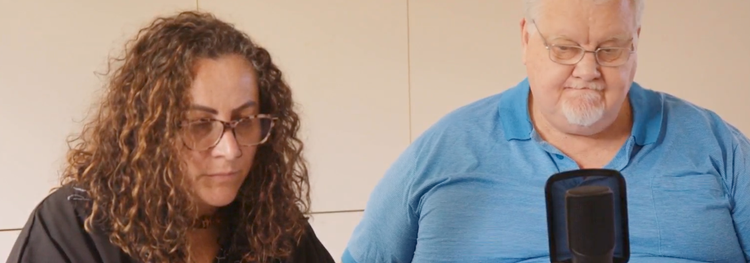
Personalising Language Training to the Needs of Learners
Which combinations of individual characteristics best predict how well a person learns a new language, and can language training be tailored to those characteristics to improve outcomes?
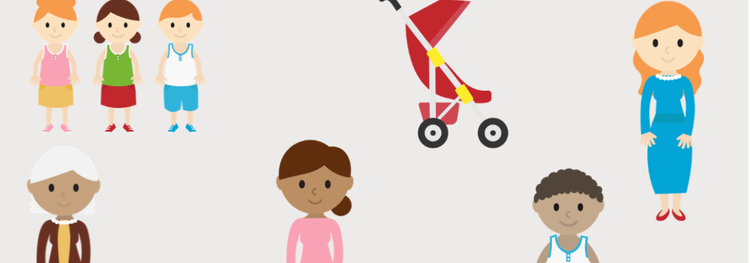
Improving Developmental Checks
What do parents and professionals need from developmental check tools, and how can these tools be designed to better support early intervention for toddlers who need it?
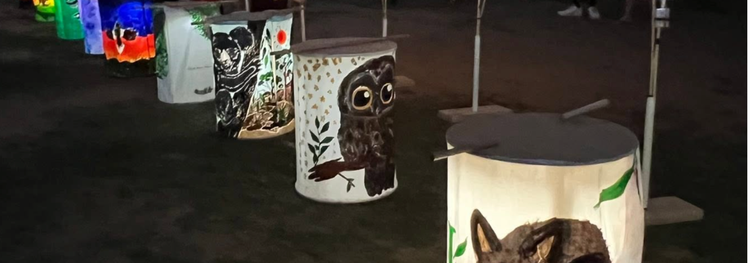
Understanding the Mastery of Multiple Languages and Dialects
Many people use more than one language or dialect, but managing several linguistic systems is complex. Speakers must recognise different sound patterns, choose the appropriate language for a situation and adapt to the people around them.
Led by Paola Escudero this Australian Research Council Discovery Project investigates how people master multiple languages and dialects. The project combines multilingualism research with computational modelling, corpus-based linguistic investigation, online and laboratory data collection, and the management of large language datasets.
The research builds on Paola Escudero’s work in second-language speech perception, phonetics, phonology, word learning and bilingual cognition. It seeks to explain how multilingual experience shapes language processing and how learners perceive and organise the sounds and words of different languages and how they activate each depending on the context.
A better understanding of multilingual learning can inform more inclusive approaches to language education and communication technology. It can also help ensure that models of language development reflect the experiences of multilingual communities rather than treating monolingual development as the universal standard.
First Nations Languages Revitalisation and Reclamation
As MARCS Dharug scholar Jasmine Seymour expresses it, in language revitalisation “we are flying the plane while building it”. Our Indigenous languages teams collaborate to investigate, codesign and track the success of new resources including technology, within diverse contexts ranging from local western Sydney (Dharug) schools through to First Nations contexts in regional NSW and Queensland (e.g., Gumbaynggirr, Wangkumarra) and remote NT (e.g. Mangarrayi, Ngarinyman).
We codesign, sustain and contextually adapt free or low-cost digital technology under the control of the relevant language group. An example includes the Listen N Talk app shell which since its design in 2020 with Mangarrayi people has led to several apps in other languages, most recently in a version “Bayala” (Let’s Talk) which is popular with adult learners and teachers of Dharug. Another example is the online system to create talking dictionary webpages, WordSpinner, which has been used to create publically available dictionaries for several languages e.g. Ngarinyman and Ngiyampaa (with Ngiyampaa linguist Dr Lesley Woods at ANU).
Our Indigenous languages team, in a multi-year project led by Gumbaynggirr scholar Dylan Berger, is currently contracted by the NSW Aboriginal Languages Trust to track outcomes of the bilingual preschool (Kulai Preschool) and school (Maam Giingana Gumbaynggirr) on Gumbaynggirr Country in Coffs Harbour. This involves research guided by the Gumbaynggirr Steering Committee to track outcomes for students, parents/carers and teachers across language, identity, wellbeing and education.
Personalising Language Training to the Needs of Learners
People learning the same language in the same setting can achieve very different outcomes. Some learners respond strongly to a particular training method, while others struggle because that approach does not match their individual strengths or learning needs.
Led by Mark Antoniou, the Australian Research Council Discovery Project Personalising language training to the needs of learners investigates the combination of individual characteristics that contributes to successful language learning. Its goal is to identify which predictors matter most and use this knowledge to better align training with individual learners.
The project reflects Mark Antoniou’s broader research into bilingualism and the cognitive, neuroscientific and developmental aspects of language learning and use. By studying variation between learners, the research moves beyond a single approach for everyone and towards language programs that respond to differences in experience, perception and learning.
The findings could inform language education and support for migrant and multilingual communities. More personalised training could help learners make better use of their strengths, improve learning outcomes and reduce the risk that people are disadvantaged simply because the training method does not suit them.
Improving Developmental Checks
Late-talking affects roughly one in ten toddlers, yet many communication difficulties remain undetected until school entry—when nearly one in four Australian children are already developmentally vulnerable. This delayed identification causes frustration, social isolation, and academic struggles, leading to lifelong educational, social, and economic costs. To close this gap, a team led by Prof Caroline Jones is developing free, parent-friendly AI tools to accurately assess gesture, speech, and language during a child's second year of life. These digital checks blend parent insights with AI pattern recognition to enable early, effective support.
Building on successful screening tools like the 10-minute OZI-SF checklist and the codesigned ERLI tool for Western Sydney Aboriginal families, this work empowers parents to advocate for early intervention rather than taking a "wait and see" approach. Current initiatives are expanding these assessments and interventions to support multilingual and Indigenous children across New South Wales. Collaborating with Allied Health and speech pathology leaders on a NSW Health Translational Research Grant, the team is now evaluating new, localized intervention approaches against standard care to ensure timely care for more toddlers.
Try Our Tools
Click here to put our research to work
Facilities
Our Facilities include:
- Speech Production Lab
- Face & Voice Capture Lab
Connect & Collaborate
Contact Mark Antoniou, Paola Escudero or Caroline Jones to explore opportunities.
Music Science
At MARCS, we investigate how people perceive, understand, create and connect through music. Our interdisciplinary researchers bring together music cognition, psychology, neuroscience, mathematics, computing, musicology, cultural research and creative practice to explore the foundations of musical experience.
A distinctive focus of our work is computational music science. This research uses mathematical and computational methods alongside behavioural experiments to investigate how listeners perceive musical structure, similarity, complexity and emotion. By translating musical features such as pitch, rhythm, timing and timbre into formal models, this work helps explain how music is organised, how expectations arise as we listen, and why particular patterns sound related, surprising or expressive.
These approaches are also creating new possibilities for perceptually informed digital musicology. Recent work models musical events with the uncertainty inherent in human perception, rather than treating pitch and timing as perfectly precise. Faster computational methods now make it practical to apply these models to substantial musical collections, supporting new ways to analyse and compare music at scale.
Across the wider Music Science program, we examine emotional responses to melody, harmony, rhythm, timbre and spatial sound; the effects of music on the brain; musical performance and coordination; and the ways culture and experience shape how music is produced and understood. Our researchers also develop computational and algorithmic approaches to music generation, including deep learning, as well as new hardware and software for creating conventional and experimental music.
This research connects fundamental questions about music and the mind with practical applications in creativity, education, technology, health and wellbeing. What makes MARCS distinctive is our capacity to unite scientific investigation, computation and musical practice. Researchers, musicians, composers, psychologists, neuroscientists and technologists work together to transform theoretical insights into analytical tools, interactive systems, creative works and new ways of experiencing music.
Project Areas
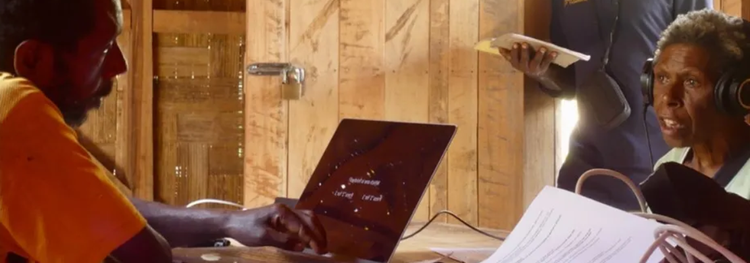
Revealing the Universal and Cultural Origins of Musical Affect
Why does music make us feel something, and do people from different cultures respond to the same musical features in similar ways?
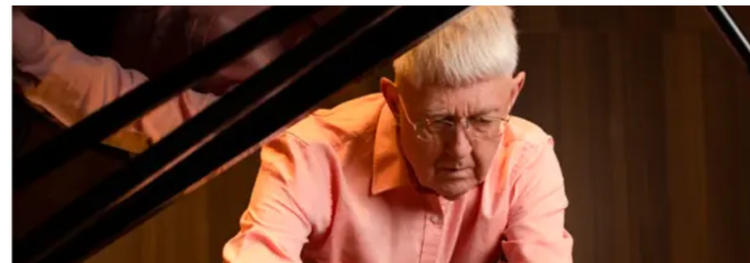
Understanding Music in Human and Artificial Minds
How do people and artificial intelligence transform sequences of sounds into meaningful musical structures?
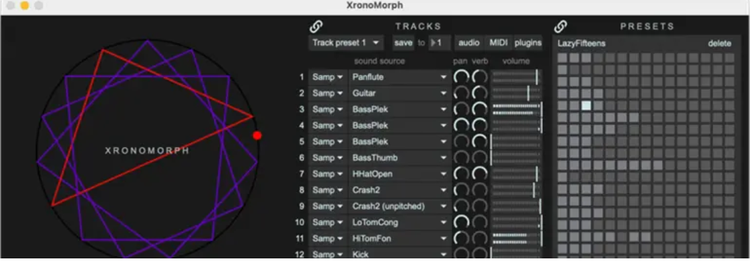
Mapping and Enhancing Australian Musical Improvisation
How do improvising musicians in Australia develop, collaborate and sustain their creative practice, and how do the networks and working conditions around them shape the sector's connectedness and sustainability?
Revealing the Universal and Cultural Origins of Musical Affect
This Australian Research Council Discovery Project investigates the universal and culturally learned foundations of musical affect. The research examines how features such as loudness, timbre, harmony, tonality and rhythm contribute to emotional responses, and how these responses vary across people and cultural settings.
By combining cross-cultural fieldwork, listening experiments and computational modelling, the project is building a richer understanding of the relationship between musical structure, culture and emotion. The findings have the potential to inform music creation, education and technology, including more culturally responsive systems for music recommendation and generation.
The project is led by Andrew Milnewith collaborators from MARCS and other Australian and international institutions. The current Music Science Lab webpage identifies the project as an active ARC Discovery Project for 2025 to 2028.
Understanding Music in Human and Artificial Minds
Led by Music Science researcher Gabriele Cecchetti, this interdisciplinary MARCS initiative investigates how abstract knowledge emerges in human brains and artificial neural networks. It asks whether people and machines use shared computational principles to recognise structures in music, and how these principles compare with those involved in vision and language.
The project brings together researchers in music science, cognitive neuroscience, language, human development, engineering and computer science. Its first study uses existing human brain data to examine whether the internal representations learned by artificial neural networks can help explain neural responses to musical structure. The team has piloted the planned experiment and is progressing the research through regular meetings.
By making the internal workings of music AI more understandable, the research could help musicians and other creative practitioners better understand and control AI systems. It will also contribute to broader knowledge about how human and artificial minds learn, organise and interpret complex information.
The initiative will support pilot research, a shared interdisciplinary framework, a collaborative publication and an international workshop, while building foundations for larger research partnerships and future funding.
Mapping and Enhancing Australian Musical Improvisation
Musical improvisation is both a creative practice and an important part of Australia’s cultural and creative industries. This Australian Research Council Linkage Project examines how improvising musicians develop, collaborate and sustain their creative practice, being led by Prof Roger Dean and Dr Simon Chambers.
The research maps the networks, practices and working conditions that shape musical improvisation in Australia. It combines expertise in music, sociology and computational analysis to understand how performers influence one another, how creative communities form, and how knowledge and opportunities move through the sector. The project uses computational social-network modelling and the development of an analytical method for studying musical networks.
Working with music-industry partners, the project is intended to strengthen understanding of improvisation as a creative industry and identify ways to support its development. Its findings can inform musicians, arts organisations, policymakers and funders seeking to build more connected and sustainable creative communities.
Try Our Tool
How can the qualities listeners hear in music – the fit of a chord to its key, its consonance, the complexity of a rhythm – be measured precisely enough to test theories of perception?
The Music Perception Toolbox is an open-source package, in Python and MATLAB, of perceptually and cognitively motivated measures of pitch similarity, consonance, and the structure of scales and rhythms
Facilities
Our Facilities include:
- 3D Audio & Sound Lab
- Performance Studio
Connect & Collaborate
Contact Andrew Milne to study, collaborate or partner with us in Music Science.
Biomedical Engineering
At MARCS, Biomedical Engineering brings together engineering, physiology, neuroscience and clinical expertise to develop technologies that address real-world health and wellbeing challenges. Our research spans wearable and embedded sensors, physiological monitoring, neuromodulation, cerebral blood flow, vestibular function, balance, cardiovascular health and sensory impairment.
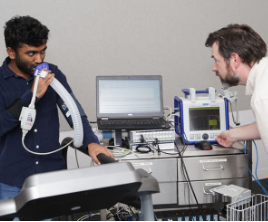
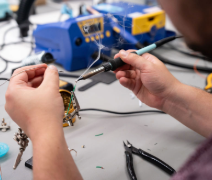
The Human Physiology Lab enables researchers to measure blood pressure, heart activity, respiration and physical performance, and to compare these measures with technologies developed in-house. Our medical-device production facility supports the development of sensors, embedded systems, connected applications and prototype devices within an operational quality-management environment.
Project Areas
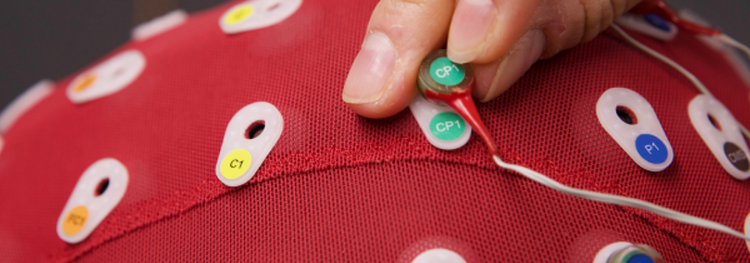
Clinical Translation of Time-Resolved EEG Decoding Methods
Can advanced EEG decoding methods be translated into practical, accessible clinical tools that detect and track changes in brain function more sensitively than traditional assessments?
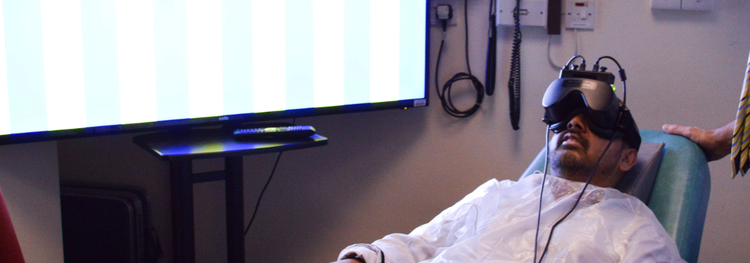
Restoring Balance and Mobility in Older Adults
Can non-invasive stimulation technologies enhance vestibular function and improve balance and mobility in older adults experiencing age-related decline?
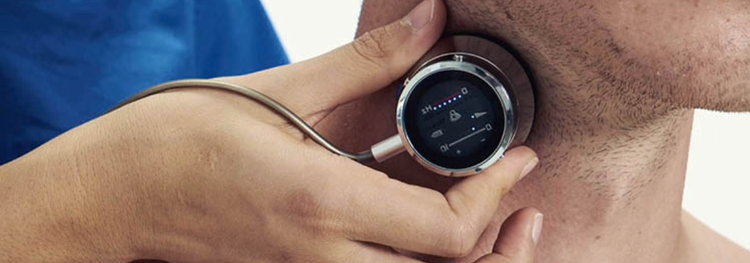
Next-Generation Wearable Heart and Health Monitoring
Can wearable forcecardiography sensors and intelligent signal processing monitor cardiovascular health accurately, continuously and non-invasively outside the clinic?
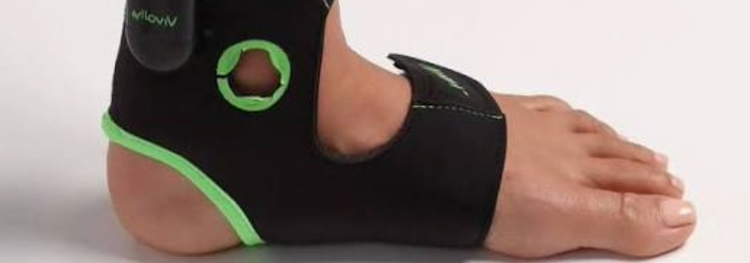
Enhancing Sensory Function in Peripheral Neuropathy
Can non-invasive sensory stimulation restore sensation, balance and mobility in people with peripheral neuropathy?
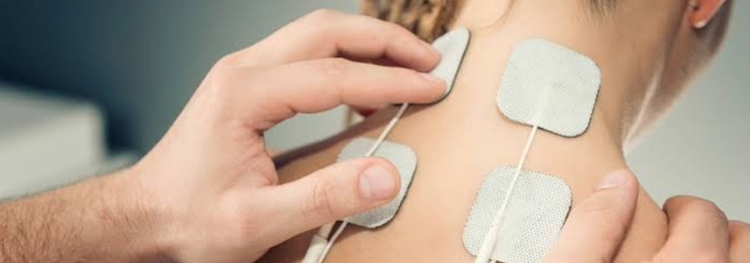
A New Approach to Managing Chronic Nerve Pain
Can a novel therapy combining sensory and visual information change how the brain interprets pain signals and improve pain relief for people living with persistent nerve pain?
Clinical Translation of Time-Resolved EEG Decoding Methods
Traditional clinical assessments can identify many neurological and sensory disorders, but they may not capture the rich information contained in the brain's moment-to-moment activity. This project aims to translate advanced EEG decoding methods from the research laboratory into practical tools that can support diagnosis, assessment and monitoring in clinical populations.
Researchers are developing approaches that reveal how the brain processes information over time, creating more sensitive measures of neural function than traditional analysis methods. By working closely with clinicians and end users, the team is exploring ways to simplify complex analytical techniques and make them more accessible within healthcare settings. The research has potential applications across a range of sensory and neurological conditions, helping clinicians better understand changes in brain function and evaluate treatment outcomes.
As part of the MARCS Themes & Teams initiative, the project led by Prof Paul Breen and Dr Tijl Grootswagersbrings together expertise in cognitive neuroscience, biomedical engineering and clinical translation. Its long-term goal is to establish new evidence-based tools that complement existing assessments and support earlier detection, improved monitoring and more personalised care.
Restoring Balance and Mobility in Older Adults
Maintaining balance becomes increasingly difficult with age, contributing to falls, reduced confidence and loss of independence. This project is developing novel neuromodulation technologies designed to improve balance and mobility in people experiencing age-related vestibular decline.
The vestibular system, located within the inner ear, plays a critical role in balance, movement and spatial orientation. Researchers are investigating how non-invasive stimulation technologies can enhance vestibular function and improve stability. Combining physiological measurement, engineering, clinical expertise and human testing, the project seeks to create practical interventions that help older adults remain active, mobile and independent for longer.
The work builds on extensive research into balance function, cerebral blood flow and human physiology, with applications extending beyond healthy ageing to rehabilitation and management of balance disorders. By translating physiological knowledge into new technologies, the project demonstrates how biomedical engineering can address real-world health and wellbeing challenges.
Next-Generation Wearable Heart and Health Monitoring
Many health conditions develop gradually, making early identification and ongoing monitoring critical for better outcomes. This project is developing new approaches to cardiovascular monitoring using advanced sensing technologies, forcecardiography and intelligent signal processing.
The research explores how wearable devices can capture detailed information about heart and circulatory function in comfortable, non-invasive ways. By collecting physiological data continuously rather than only during clinical appointments, these technologies may provide a more complete picture of health over time and support earlier detection of changes that require attention.
Researchers are investigating how multimodal physiological signals can be combined to improve monitoring accuracy and usability in real-world environments. The project has potential applications in clinical care, health management and remote patient monitoring, helping people and clinicians make more informed decisions.
By combining sensor development, physiology and data analytics, this research illustrates the growing role of biomedical engineering in moving healthcare beyond the clinic and into everyday life.
Enhancing Sensory Function in Peripheral Neuropathy
Peripheral neuropathy affects millions of people worldwide, often causing reduced sensation, impaired balance and is a factor for the development of chronic ulcers and amputation. This project is investigating new ways to restore sensory function by combining advances in neuroscience, physiology and biomedical engineering to improve how the nervous system processes sensory information. The work focuses on diabetic peripheral neuropathy and other conditions that disrupt normal sensory feedback.
Researchers are studying how targeted sensory stimulation technologies can enhance the brain's interpretation of signals from peripheral nerves. By developing and testing non-invasive interventions that strengthen sensory perception, the team aims to improve balance, mobility, confidence and protective sensation for people living with sensory loss.
The project seeks to move beyond symptom management towards interventions that help restore meaningful sensory function.
Bringing together expertise in biomedical engineering, neuroscience and clinical translation, the research has the potential to deliver practical, low-cost technologies that can be used in clinical and home settings. By improving the way people perceive and respond to sensory information, the project demonstrates how engineering innovations can help address some of the most significant challenges associated with neurological and age-related sensory impairment.
A New Approach to Managing Chronic Nerve Pain
Chronic neuropathic pain can significantly affect everyday activities, quality of life and long-term wellbeing. For many people, existing treatments provide only limited relief. This project investigates whether combining sensory stimulation with visual feedback can improve outcomes for people living with persistent nerve pain.
The research focuses on diabetic peripheral neuropathy, a condition that commonly causes pain in the legs and feet. Researchers are evaluating a novel therapy that combines transcutaneous electrical nerve stimulation (TENS) with synchronised visual feedback. The approach is based on growing evidence that matching sensory and visual information may influence how the brain interprets pain signals and improve the effectiveness of treatment.
The project is currently being evaluated through a pilot clinical trial and aims to develop a low-cost, home-based intervention that is practical, accessible and easy to use. Bringing together physiology, neuroscience and biomedical engineering, the work explores how technology can be used to improve symptom management and support better quality of life for people living with chronic conditions.
Research in Action
Great research should reach the people who need it. Explore the projects taking our biomedical engineering innovations from prototype to practice.
Facilities
Our Facilities include:
- Human Physiology Lab
- Medical Device Production Lab
Connect & Collaborate
Contact Paul Breen to study, collaborate or partner with us in Biomedical Engineering.
Our Impact
Innovation & Commercialisation
Engage With Us
Partner with Us
Co-design is at the heart of our partnership approach. You bring the challenge and we’ll assemble the team with the right skills to solve it with you
Many disciplines. One team.
Based in Western Sydney, with expertise across disciplines, our research reflects culturally and linguistically diverse communities and people of all cognitive and physical abilities.
For 20 years, we’ve helped partners by understanding their problems first, then building the right team to solve them. Our partners tell us it’s the collaboration, and the mix of social and technical thinking, that sets us apart.
We move faster. World-class facilities mean rapid testing and fast adaptation, so ideas get from lab to field sooner. Our extensive datasets and past projects give every new project a head start. Interdisciplinary teams co-design projects, clinical trials and training programs, then develop, test and deploy technology with industry, government and community partners.
How we partner
Industry
Healthcare, defence, arts, engineering: we build from the ground up with you. Together we co-develop evidence-based solutions, analyse data, and test and refine prototypes.
We work with start-ups, SMEs and large corporations, on short-term or long-term projects, or both. We also create professional development programs for educators and trainers.
Government
Health. Data science. Defence and aerospace. Early life and aged care. Art and music sciences. Our expertise helps shape evidence-based policy, programs and events.
We partner on research and linkage grants, join advisory groups, and bring deep background in cognitive development, aged care and emerging technology.
Community
We don’t do research on communities. We do it with them. From field work to aged care clinical trials, our research is grounded in community and reflects the true diversity of the population.
We work with neurodiverse and linguistically diverse groups and individuals, and with many cultural groups, co-designing programs alongside community organisations.
Healthcare
Clinicians and frontline workers, meet the latest in engineering and technology.
Our researchers are embedded in the healthcare sector, and our work is community-centred and shaped by the needs of the population. We deliver world-leading professional development and training, run clinical trials, and co-develop evidence-based guidelines for healthcare and educational settings.
Academic
We partner with researchers and research organisations worldwide to advance brain research and translation, through:
Joint collaborations, grants and projects. International visitors and fellowships. Placements, summer and winter scholarships. Internships. Sister lab exchanges.
Partnership Enquiries
Let us know how you would like to partner with us, or if you have any questions about what a partnership would look like
Participate in a Study
Research is only as strong as the people who take part. By joining a study, you help make sure our findings are not only evidence-based but also reflect the culturally, physically and neurologically diverse world we live in.
Participants of all ages are welcome, from babies to older adults. Registration is free, and you can opt out at any time. Explore the links below to find out what’s involved and how to get started.

Become a little scientist
Have a curious little one aged 0–6? Join the BabyLab participant database and help us discover how young minds grow, learn and communicate. Registering takes just a few minutes, and you choose which studies your family joins.
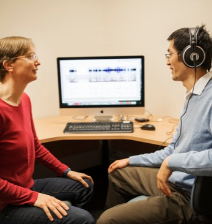
Help us understand the human mind
Get paid to help us understand the human mind. If you are aged between 18- 55 years, register with the MARCS Research Participant System to browse current studies and sign up for the ones that interest you. A study facilitator will guide you every step of the way, and you can withdraw at any time.
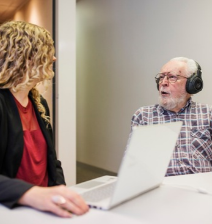
Help shape healthy ageing
Are you 55 or over? Join the AgeLab participant database and help us understand how to support wellbeing in later life. It takes just a few minutes, and you choose which studies to take part in.
Work with Us
Everyone belongs at MARCS. We’re building a diverse, inclusive community with a culture of equity, where everyone participates in a safe and respectful environment. We welcome applicants from all backgrounds, and we especially encourage applications from people of diverse genders, sexual orientations, and cultural and linguistic backgrounds. We also encourage applications from Aboriginal and Torres Strait Islander people, people with disability, and those with caring or family responsibilities.
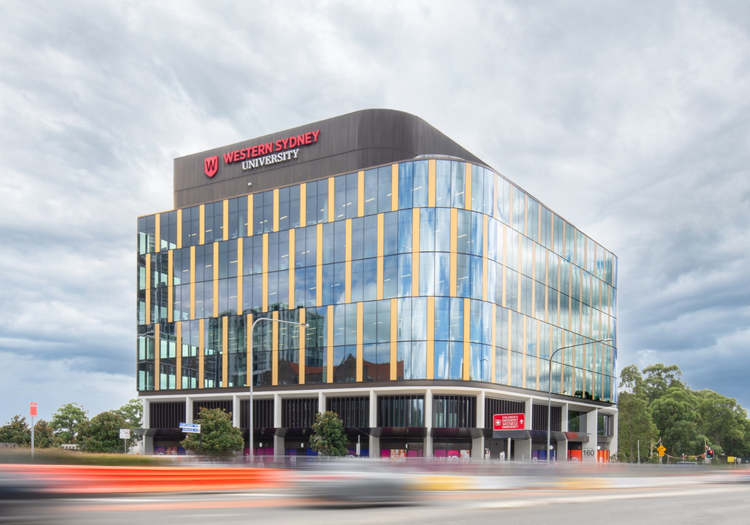
Current vacancies
Visit the University Careers page to view current employment vacancies at MARCS
MARCS Membership
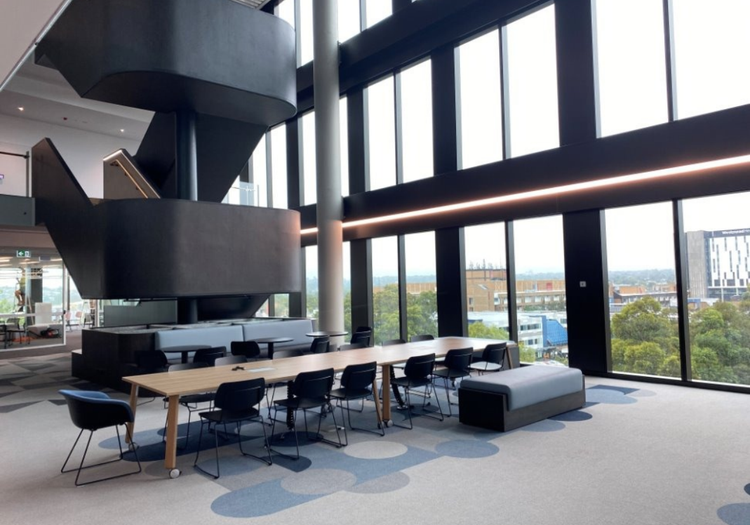
Join a collaborative, interdisciplinary community that tackles real-world challenges. MARCS Membership connects Western Sydney University researchers with peers across disciplines, specialised labs and equipment, grant support, HDR students and mentoring.
Grant Opportunities
MARCS supports researchers to pursue competitive funding, including ARC Initiate and Marie Curie Fellowships, providing guidance on grant development, applications and research administration to strengthen quality and success of proposals.
Visiting Fellowships
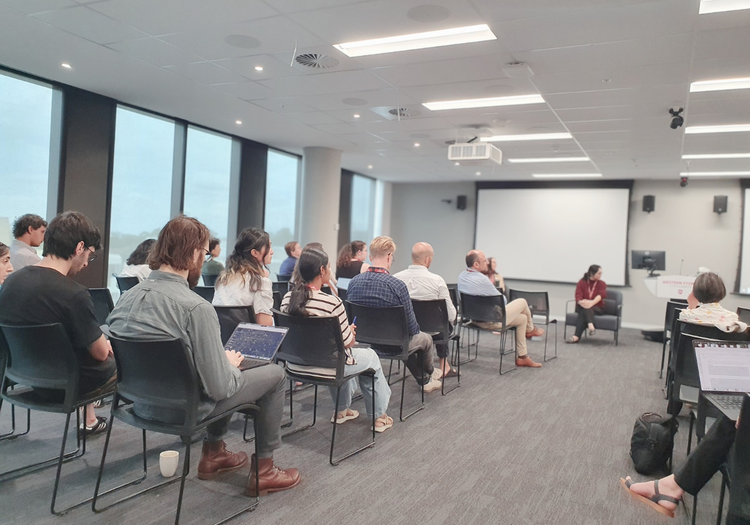
The Anne Cutler and International Visiting Fellowships enable eminent researchers to spend two to three months at MARCS, developing collaborative projects and mentoring emerging researchers.