Why Industry Engagement is Important in the Classroom... A Case Study of ARCH1006
By Anna Leditschke
“Industry told me that our graduates have excellent critical thinking skills but they lack confidence, so I made it my mission to build students' identity as planners from the very beginning of their degree.”
This year, I had the exciting opportunity to design a new core first-year subject for our Bachelor of Planning (Pathway to Master of Urban Management and Planning) students: ARCH1006 Introduction to Urban Planning.
Working with my Head of Discipline, Associate Professor Emma Power, one of the areas we wanted to strengthen was students’ identity as planners from the very beginning of the degree. Our planning programs at Western Sydney University are accredited by the Planning Institute of Australia (PIA). We also teach planning in one of the fastest growing regions in Australia, where planning decisions are happening around our students every day. That context matters, as many of our students call Western Sydney ‘home’. They have lived experiences of the places and communities planning is trying to respond to, which matters if we want future cities and regions to be more diverse, inclusive and just.
Most importantly for me, university is not, and should not only be, about ‘getting a job’. I wanted ARCH1006 to help students understand the humanity of the profession. Planning is not just about legislation, policy, maps and saying ‘no’ to building a house. It is also about people, relationships, values, politics, judgement, care, conflict and communication.
How do you build ‘confidence’ in the classroom…
One of the things I have heard from industry is that our students and graduates do not necessarily lack critical thinking skills. In fact, they are often very good at thinking critically about social and environmental issues. What they may lack, especially early on, is confidence. They are not always sure how to talk about their skills, attributes and lived experiences; where they fit in the profession; or how the way they already think, communicate and critique is relevant to planning.
So, when designing ARCH1006, I wanted to do two things at once. Firstly, students needed to build foundational planning knowledge and skills, including understanding planning systems, government roles, policy, legislation, Planning for and with Country, maps, plans and the kinds of decisions planners help shape.
Secondly, and for me just as importantly; I wanted planning to feel less ‘scary’. The transition between university and the first planning job can feel really intimidating. Added to this, planning as a profession is rapidly changing and, somehow, still quite archaic at times. Students are navigating a lot, and we need future planning professionals who are passionate, thoughtful and excited about shaping our environments.
To help with this, I introduced a ‘Day in the Life of a Planner’ series across the ARCH1006 semester. Industry guests came into the classroom to share career stories, explain what they actually do, talk about what they love about planning, and offer advice to emerging planners. I also asked guests to run activities connected to their professional practice, so students could see how planning skills are used in their everyday lives. Of course, we still talked about CVs, LinkedIn, interview questions, career pathways and professional communication. But I wanted to go beyond that. I wanted students to hear honest stories about what practitioners wished they had known earlier, what they found difficult, and what keeps them going.
What has been discovered…
One of my favourite things, not just in ARCH1006, but across all my teaching, is watching the relationality between students and guests. Practitioners often stay hours after class to answer questions, share advice, read over CVs and talk through career approaches. I have also been surprised by how much particular comments from guests stayed with students over the years. They referred back to them in assessments, emails and class discussions and even excitedly reintroduce themselves, if they end up working in the same organisation.
At the end of semester, I interviewed ARCH1006 students about what they had learnt as part of their final assessment, and I was honestly floored by some of their responses. Students spoke about growing in confidence and realising that skills they already had, or were actively developing – such as communication, dealing with angry customers in hospitality jobs, empathy, curiosity, critical thinking, teamwork and lived experience – were actually valuable planning skills. Some said they were now talking about planning with friends, family and other students, and using planning language more meaningfully. Others described feeling excited, rather than intimidated, about working in the industry.
Another unexpected discovery (and joy) has been watching our industry partners come alive as educators and mentors. They give up hours of their time to prepare presentations, design activities, travel to campus, share resources, advise students and keep me up to date with changes in planning practice and policy. Their generosity and kindness are another demonstration of the humanity in this profession and add so much to our programs.
Going forward inARCH1006…
Designing ARCH1006, and bringing industry into my classrooms more broadly, has reinforced for me that good planning education is not just about teaching students how to read legislation, interpret a map or understand policy. It is about helping students realise they are already part of these systems, and that their voices matter.
Building genuine industry engagement takes time, including continually building relationships, trust and goodwill. There are countless meetings, networking at industry events, coffees, Zoom and phone catchups, last minute rescheduling of sessions and, of course… emails. So many emails! Much of this work is invisible and not always neatly captured in workload models. But when I see a student get a job and cite the skills or ideas they learnt; or when an industry partner comments on our students’ determination and passion, as corny as it sounds, it feels so worth it.
I now invite WSU graduates back into the classroom to share their own stories with current students. Watching that cycle continue – our students becoming planners and then returning to support the next generation of WSU planners – has made me even more committed to strengthening care and belonging in planning education.
Teaching ARCH1006 has reminded me that employability is not just about producing ‘job-ready graduates’. It is about helping students build confidence, recognise their value, and understand that planning is a profession they do belong to, and can meaningfully shape.
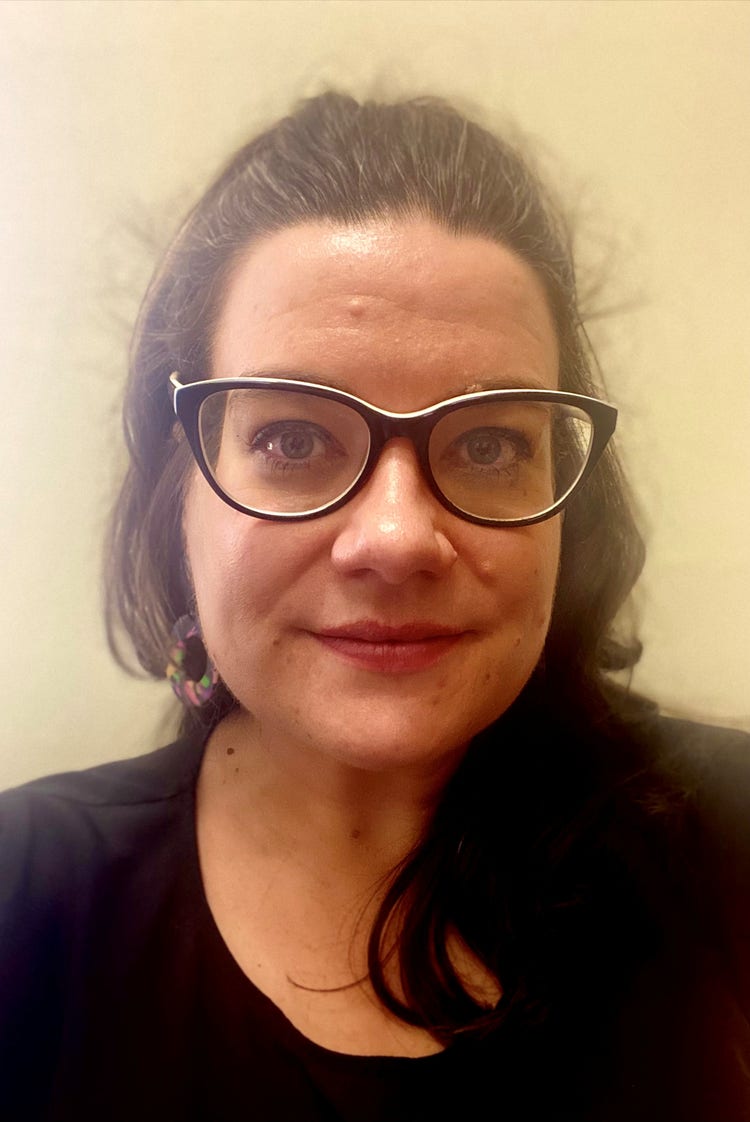
About the author
Dr. Anna Leditschke is a Lecturer in Urban Planning and the Program Lead for Geography and Planning in the School of Social Sciences at Western Sydney University. Her interests span planning education, governance and professional practice, with her current work focusing on how universities and industry can work with students to develop the knowledge, confidence and skills needed to shape contemporary planning practice.
Anna coordinates and teaches a range of subjects across the WSU Planning program, including ARCH1006 Introduction to Urban Planning; ENVL3005 Planning the City: Development, Community and Systems and ENVL7002 Planning and Environmental Regulation. She also co-coordinates ARCH7006 Planning Placement Project with Professor Andrew Gorman-Murray.