Volume 15: COVIDeology - mediating the significance of a pandemic (2021)

Editorial
When we developed the call for papers for this issue of GMJ/AU in September 2020, little did we know the pandemic would not only be unfinished by the time of publication, but would be raging unchecked with deadly consequences through 2021.
Articles
Ready or not: a survey of Australian journalists covering mis- and disinformation during COVID-19
Anne Kruger, Lucinda Beaman and Monica Attard
Australian journalists faced a surge of mis- and disinformation during the COVID-19 pandemic, often with limited training and support. Survey findings reveal their experiences, the challenges they faced, and what they need to better identify and counter information issues.
Not unprecedented: Australia's COVID-19 archives
James Gourley
Australia's COVID-19 experience was shaped by contrasting emotions, from grief, anxiety and fear to more positive experiences. Drawing on emerging archives of 'citizen writing', discover how Australians documented and made sense of life during the pandemic.
What is the harm in misinformation? Shadows of COVID-19 in public discourse online
Jason McConnell and James Arvanitakis
In the United States, the use of social media during COVID-19 and the 2021 U.S. Capitol attack raised complex questions about free speech, censorship and harm. Why did some harmful content lead to de-platforming while other content didn't, and what did this reveal about the power social media companies have in shaping public debate?
Communication, mainstream media, and Twitter: an analysis of the concepts surrounding COVID-19
Ray Archee
Twitter captured the conversations and concerns surrounding COVID-19 as the pandemic unfolded in Australia. An analysis of posts from April to September 2020 reveals the common themes and how they reflect news coverage and the wider public conversation.

American COVIDeology: the politicising of a global pandemic
Lori L. Montalbano
The U.S. response to COVID-19 was shaped by misinformation, political division and conflicting public health messages. Government rhetoric influenced attitudes towards health guidance, masks and social distancing, highlighting how deeply the pandemic became politicised.
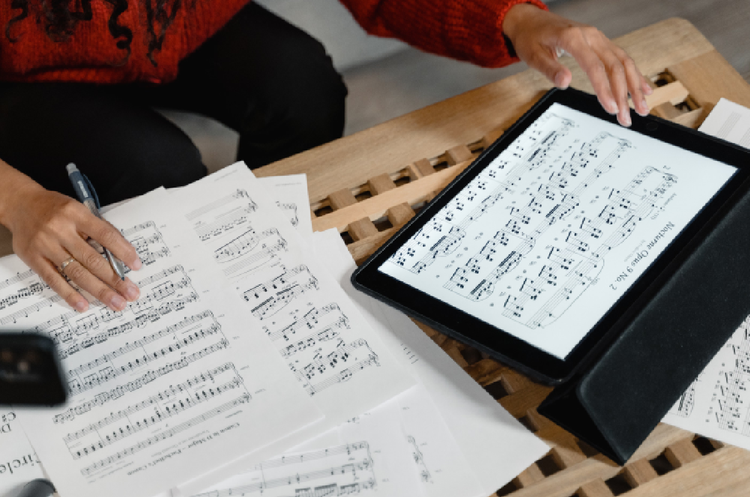
'Time': a modern folksong in the age of COVID
Diana Blom and Kevin Hanrahan
Musicians found creative ways to respond to the disruption and restrictions of COVID-19, from online performances and parodies to entirely new works. The original song 'Time' offers one example of music created in response to life during the pandemic.

Scripting with the sports body
Sebastian Byrne
How can an actor's physical performance be better captured on screen? Using a tennis-based screenplay and rehearsal video, 'scripting with the body' offers a way to bring movement, character, and sensory experience from the written page to the screen.

Panda meets Koala: a comparison of journalism education practices in China and Australia
Cimei Tang and Asha Chand
Journalism education is adapting to changing technology, news habits and an abundance of information. Comparing approaches at Xiamen University and Western Sydney University, explore how practical learning and ethical reporting can prepare future journalists to tell accurate, engaging and responsible stories.
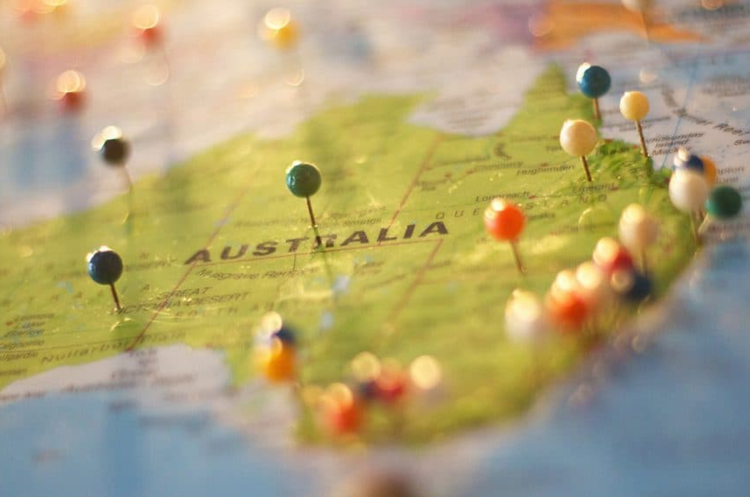
Assessing the centrality of border policies for the COVID responses in Australia
Brett Neilson
Border closures became central to Australia and New Zealand's COVID-19 response. Looking beyond their role in controlling the virus, this article considers how pandemic borders reflected deeper questions of exclusion, inequality, colonialism and government control.
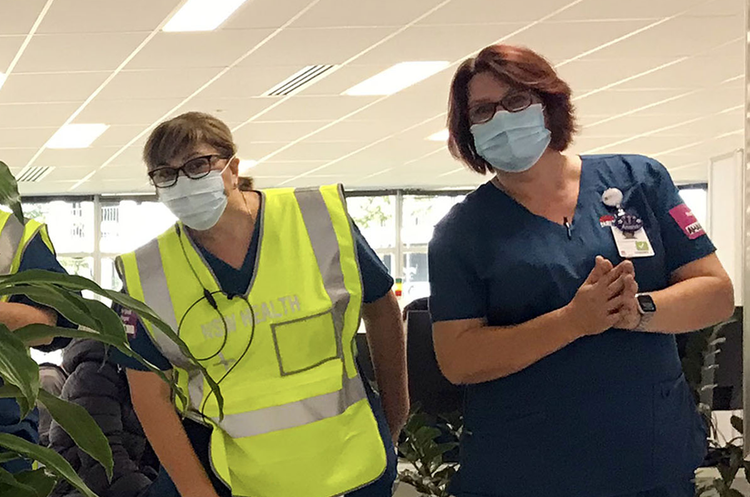
Vaccination at the 'Homebush Corral': what can we learn from a pandemic?
David Cubby
A personal reflection on Sydney's COVID-19 response and the unexpected optimism found at the NSW Health vaccination hub at Sydney Olympic Park. Against the uncertainty of the pandemic, the hub offered a positive example of public service, multiculturalism and community working together.
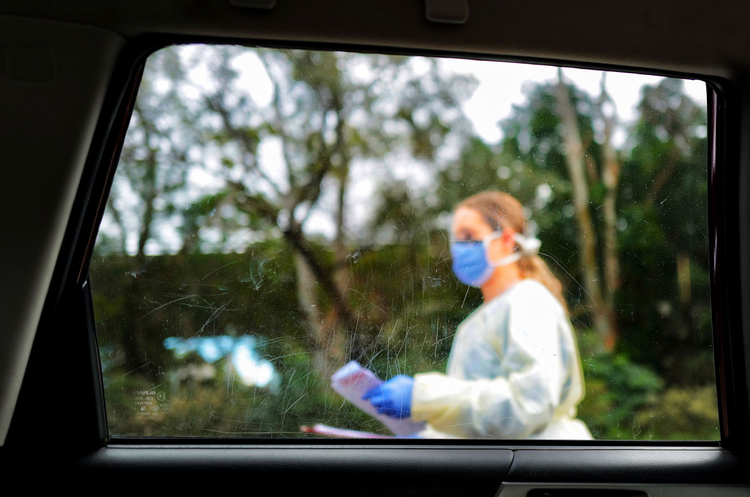
Masks and social distancing photo-essay
Grace Sui
Masks became one of the defining symbols of life during COVID-19. They changed how people expressed themselves, communicated and connected throughout lockdown.
Stimulation and simulation: mediated sport in a pandemic
David Rowe
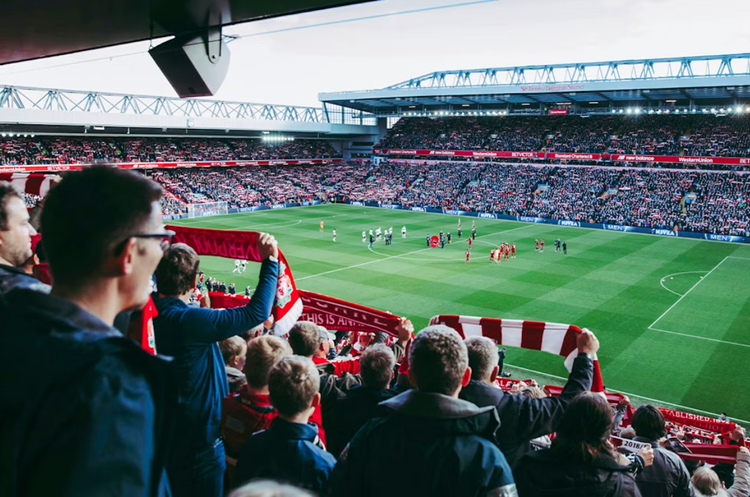
When COVID-19 emptied stadiums and cancelled live events, the experience of watching sport changed dramatically. Virtual fans, artificial crowd noise and streamed documentaries reshaped spectatorship, raising new questions about the relationship between sport, media and fandom.
Postgraduate research
A content analysis of 2008 Beijing Olympics coverage in The Australian newspaper
Zhiguo Wang
Australian media coverage of the 2008 Beijing Olympic Games was far more negative than positive, particularly when reporting on the Chinese government. An analysis of 213 articles from The Australian reveals how China and the Games were portrayed, while also highlighting positive coverage of the event's organisation and success.
Interviews

COVID and sport: in conversation with David Rowe
Hart Cohen
COVID-19 disrupted Australian sport in once-unthinkable ways, from empty stadiums to relocating the AFL Grand Final. In this interview, David Rowe reflects on a historic period for sport, its relationship with the media and the lasting impact of the pandemic.
Click-Sick: in conversation with Ariel Bogle
Hart Cohen
Misinformation took many forms during COVID-19, from misleading posts shared online to conspiracy theories and false health claims. In this interview, journalist Ariel Bogle discusses her Click-Sick series and what she uncovered about the people and pandemic information.
Media monitor
Media policies and structural decline in Australian news media
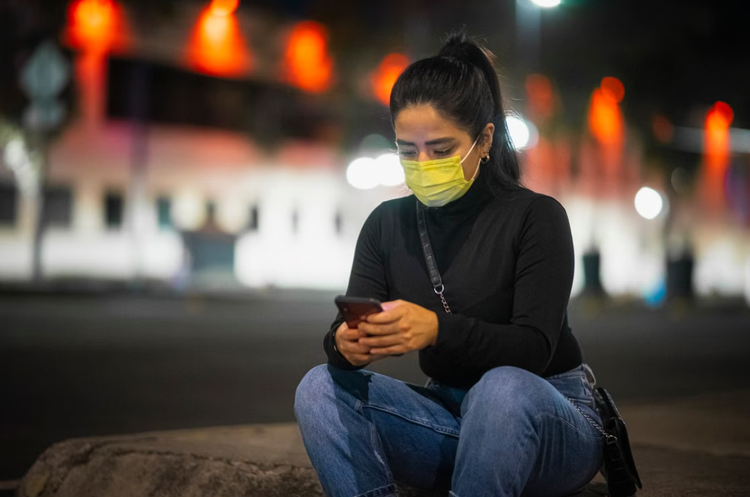
The COVID-19 pandemic in 2020 accelerated structural decline in news production across traditional and new media platforms, with ongoing and unforeseeable impacts. As in many other areas of public policy during COVID-19, the Morrison Government's neoliberal political strategies prioritised business and economic outcomes over key societal objectives embedded in Australia's media policies.
Book reviews
Rooted: An Australian History of Bad Language
From convict curses to modern slang, Rooted traces more than two centuries of Australia's colourful relationship with bad language. Amanda Laugesen shows how swearing has been used for humour and rebellion, but also to exclude and oppress, revealing its place in Australian culture and identity.

The Labyrinth
After a family tragedy, Erica retreats to a quiet coastal town where she becomes drawn to the idea of building a labyrinth. Amanda Lohrey's The Labyrinth is a contemplative novel about grief, solitude, creativity and the search for peace and renewal.