
For many patients and their parents, the childhood cataract journey begins just after birth. If medical services are available, newborns are screened for cataract using the red reflex exam.
Infants with cataract need to have the cataract surgically removed by around 12 weeks of age to avoid permanent blindness (amblyopia). This requires general anaesthesia which has a range of long-term risks.
Because children’s eyes grow rapidly, plastic lenses (used to restore vision in adult cataract patients) are rarely implanted straight away. Instead, parents and carers of childhood cataract patients start a long, difficult and often traumatic journey using thick glasses or contact lenses to provide vision.
These journeys often last for many years and involve regular visits with eye health professionals, including ophthalmologists and orthoptists. Each visit involves the stress of waiting to find out whether complications have developed.
Unfortunately, complications are common, and usually require further treatment, such as visual axis opacification. Some common complications risk permanent blindness, such as glaucoma.
Even with the best of care, childhood cataract patients worldwide often have poor vision. Unsurprisingly, they report quality of life as low as child cancer patients.
Moreover, vision impaired and blind children often have impaired motor, cognitive, language and social development. This leads to lifelong social, educational and employment disadvantage. In developing countries, child blindness is linked to malnutrition which can lead to higher mortality rates.
The I-CaRe-initiative aims to explore lens regeneration as an improved treatment for childhood cataract. We hope this will avoid the need for glasses or contact lenses, and reduce the likelihood of severe complications currently experienced by childhood cataract patients. Learn more here.
Tell us your childhood cataract journey.
Email text and photos to m.oconnor@westernsydney.edu.au using the subject line: Name's Childhood Cataract Journey (Country).
Diagnosis shock: My child has cataracts?
R’s story: When the doctor come to the waiting room I knew there was a problem. We sat while they told us R was born with a cataract and we started crying. I was shocked. Our newborn baby needed eye surgery.
Cataract removal surgery
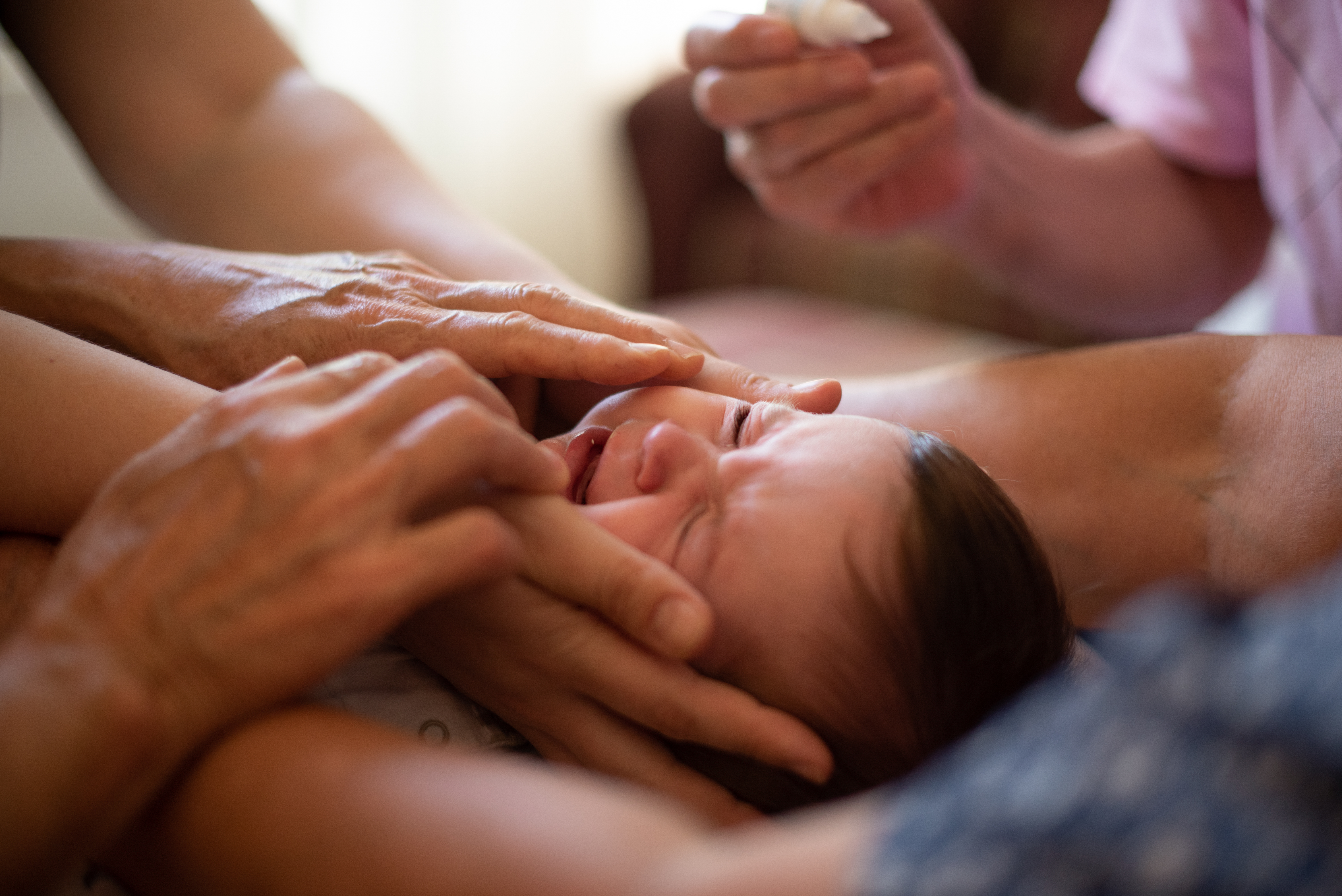
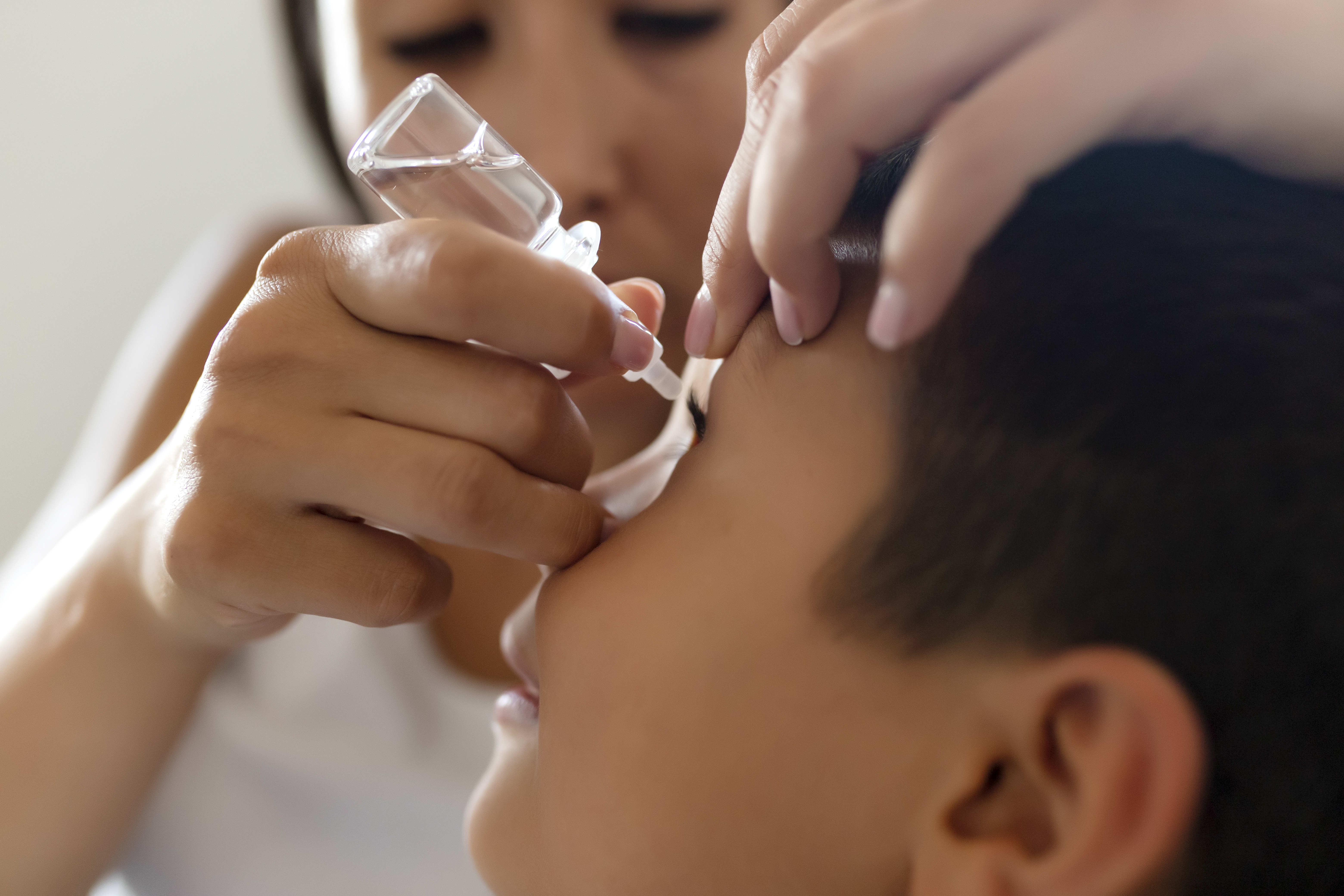
L’s story: "L had her cataract surgeries around 7 weeks old. Surgery on the first eye was very difficult, and took more than 3 hours. A few days later she had surgery on her other eye. A week in hospital, then home for eye drops every hour – the start of a difficult and emotional journey!"
Trauma of ongoing vision management
T’s story: "The first time we had to try to get our infant son’s contact lenses out by ourselves – I will never forget. We wrapped him up tight so he couldn’t wriggle and held him on the kitchen bench where the light was best. I held my baby’s head tight and my husband did his best to fish out the lenses using a tiny rubber plunger. It took 30 minutes, our boy screaming the house down the whole time, our older kids having retreated to their bedrooms and headphones and pillows over ears. We were all in tears by the end. Thankfully my husband did get the lenses out, our boy’s face by then almost purple with distress and wet with tears. One of our kids then emerged nervously from their room and said in a shocked voice, ‘Mum do you mean to say we have to go through that every night for a whole week?’. ‘No honey. Not a week. Forever’."
Ongoing specialist appointments
A’s story: "A had cataract surgery on both eyes, at 4 and 5 weeks old, and each time we had to travel. For the first 3 months we travelled almost weekly to see specialists 4 hours away."
Hopes and fears for the future
T’s story: "We balance our worries – of poor vision, thick glasses, more surgery, limited lifestyle and the threat of blindness from glaucoma – with the victories of successful surgeries and access to an exceptional care team."