Biodiversity in Planning and Development
Western Sydney University considers environmental sustainability, including biodiversity outcomes, in the planning and development of new infrastructure projects. Through sustainable design principles, the University seeks to minimise environmental impacts, enhance campus landscapes and support healthy, resilient environments for people and nature.
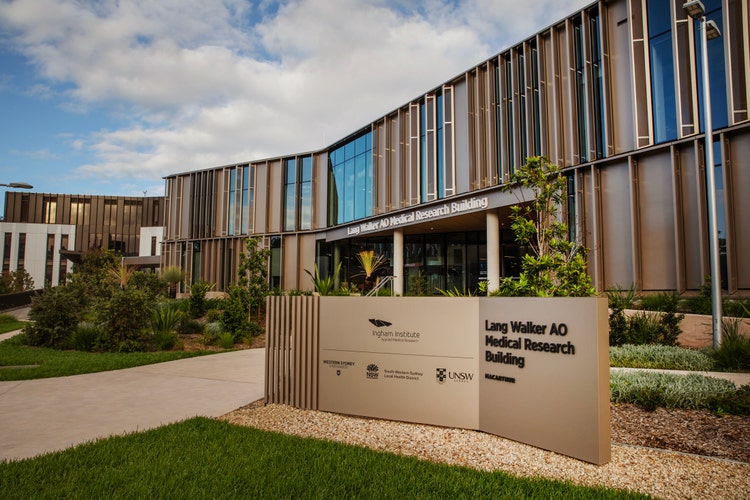
The Lang Walker AO Medical Research Building demonstrates this approach. The building achieved a 6 Star Green Star certification, recognising world leadership in sustainable design and construction. Biodiversity considerations were incorporated into the project through native landscaped planting supported by drip irrigation and rainwater reuse systems, helping to create a climate-resilient landscape that is appropriate to the Western Sydney environment.
The landscape design incorporates a diverse range of native Australian trees, shrubs and groundcovers selected for the Western Sydney environment. Species such as Banksia, Spotted Gum, Forest Red Gum, Gymea Lily, Grass Tree and Bottlebrush form part of the planting palette, supported by an ongoing landscape maintenance program to ensure the successful establishment and long-term health of the landscape. The building's landscape plan includes a wide range of native canopy trees, shrubs, grasses and flowering species selected for local conditions.
The building also incorporates living plants within its atrium, complementing the surrounding native landscaping and reinforcing the integration of nature into the overall design.
The project includes a structured landscape maintenance program covering irrigation, plant replacement, weed management, pest and disease control, pruning and monitoring to support the continued health and resilience of native plantings. Failed plants are replaced with the same species, helping to maintain the original biodiversity-focused landscape design.
The building's sustainability features also include water-efficient landscaping, renewable energy generation, responsible material selection and reduced carbon emissions. These measures were integrated as part of the planning and development process to ensure the facility delivers environmental benefits alongside its research and teaching functions.
By incorporating native vegetation into landscape design and providing ongoing management to support plant establishment and long-term success, Western Sydney University demonstrates how biodiversity considerations can be incorporated into the planning and development of new campus infrastructure.
Green Building Council of Australia
Related Action Plan Theme